
What Is Miso Paste?
Introduction
Miso paste, a cornerstone of Japanese culinary tradition, is a fermented ingredient that has captivated chefs and home cooks alike for centuries. Its rich umami flavor profile and versatility make it a beloved component in various dishes, extending beyond Japanese cuisine to global gastronomy. This article delves into the intricacies of miso paste, exploring its history, production methods, applications, and much more.
What Is Miso Paste?
Miso paste is a thick, fermented soybean product that is primarily used as a seasoning or condiment. It is made from soybeans, salt, and a fermenting agent known as koji, which is a type of mold (Aspergillus oryzae) that plays a critical role in the fermentation process. While soybeans are the most common base, various grains such as rice, barley, and millet can also be used, resulting in a wide variety of miso types with distinct flavors, colors, and textures.
Miso paste can vary significantly in taste—from sweet and mild to salty and robust—depending on its ingredients and fermentation duration. The paste is rich in amino acids, vitamins, and minerals, contributing to its nutritional value and complex flavor profile.
History and Origins
Miso’s origins can be traced back over a thousand years to China, where it was known as “jiang.” It was brought to Japan during the Nara period (710-794 AD) and has since evolved into a staple of Japanese cuisine, deeply embedded in the culture and culinary practices of the nation. Over the centuries, regional variations of miso developed, influenced by local ingredients and climate conditions.
In Japan, miso paste became particularly popular during the Edo period (1603-1868), when it was consumed by the samurai class and commoners alike. The development of miso coincided with the rise of rice agriculture, which provided the necessary ingredients for its production. Today, miso is celebrated not just in Japan but also in many parts of the world, as culinary enthusiasts and chefs recognize its unique flavors and health benefits.
Production and Processing
The production of miso paste involves several crucial steps: selection of ingredients, fermentation, and aging.
Selection of Ingredients
The primary components of miso are soybeans, salt, and koji. High-quality soybeans are soaked and cooked until tender. The choice of koji—whether made from rice, barley, or other grains—will influence the flavor and character of the final product. The fermentation process is initiated by mixing the cooked soybeans with koji and salt.
Fermentation
Fermentation is a complex biochemical process where microorganisms break down sugars and starches into simpler compounds. In the case of miso, the koji mold converts starches into sugars, while bacteria and yeasts contribute to the overall flavor profile. The mixture is placed in fermentation containers, where it is allowed to ferment for a specific period, ranging from a few weeks to several years.
Aging
The aging process is vital in developing the flavor and aroma of miso. The longer the fermentation, the deeper and more intense the flavor becomes. Different types of miso are categorized based on their aging duration, which can vary from light miso (shiro miso) to dark miso (aka miso).
Quality and Grading
The quality of miso paste can be assessed based on several criteria, including texture, aroma, and flavor. High-quality miso should have a smooth, creamy texture and a complex, well-rounded flavor.
Grades of Miso
Miso is typically classified into three main categories:
1. White Miso (Shiro Miso): Made with a higher proportion of rice koji, shiro miso is fermented for a shorter time, resulting in a sweeter, milder flavor. It is often used in dressings, marinades, and soups.
2. Red Miso (Aka Miso): This type contains more soybeans and is fermented longer, yielding a stronger, saltier flavor. Red miso is commonly used in heartier dishes, such as stews and braised meats.
3. Mixed Miso (Awase Miso): A blend of white and red miso, awase miso combines the sweetness of shiro miso with the depth of aka miso, making it a versatile choice for various culinary applications.
Buying Considerations
When purchasing miso paste, several factors should be considered to ensure you select a high-quality product:
- Ingredients: Look for miso made with organic soybeans and minimal additives. The best miso will have a short ingredient list, primarily consisting of soybeans, koji, and salt.
- Texture and Color: Depending on the intended use, choose a miso with the appropriate texture (smooth vs. grainy) and color (light vs. dark) for your culinary needs.
- Fermentation Time: Some manufacturers indicate the fermentation period on the packaging. Longer-aged miso tends to have a more developed flavor.
- Packaging: Miso is often sold in vacuum-sealed containers or jars. Ensure that the packaging is intact and free from leaks or damage.
Uses and Applications
Miso paste is incredibly versatile and can be used in a variety of culinary applications:
Soups and Broths
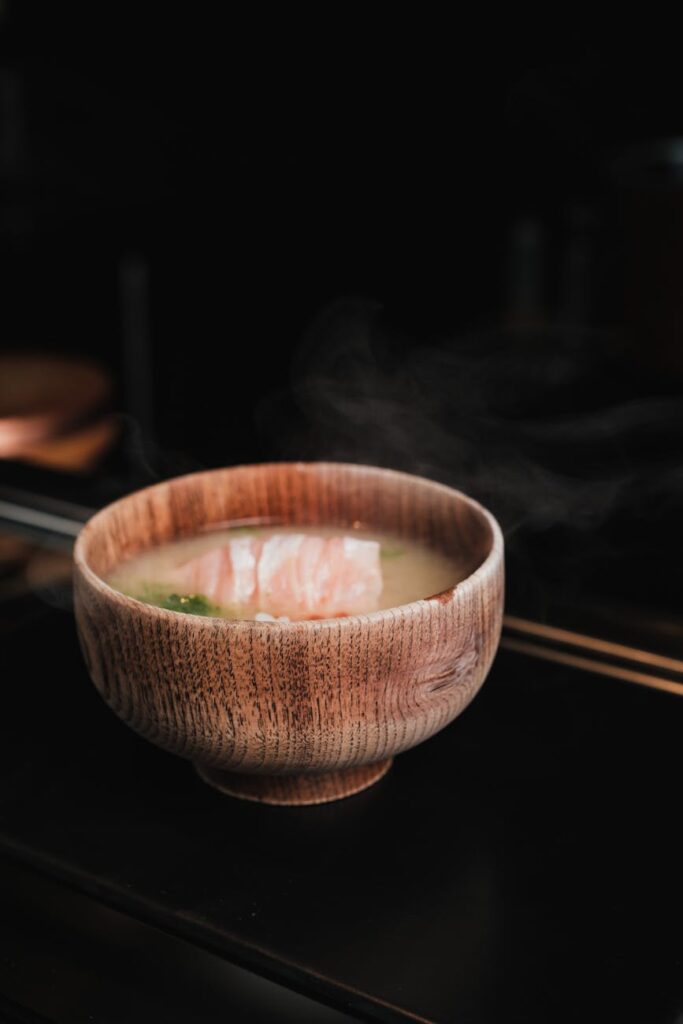
Miso soup is perhaps the most well-known application, where miso paste is dissolved in dashi (a Japanese broth) to create a savory, umami-rich base.
Sauces and Marinades
Miso can be combined with other ingredients to create flavorful sauces and marinades for meats, fish, and vegetables. Its fermentation adds depth and complexity to the dishes.
Dressings
Miso is an excellent base for salad dressings, providing a creamy texture and rich flavor. It can be blended with oils, vinegar, and other seasonings for a unique twist.
Glazes
Miso can be used as a glaze for roasting or grilling, imparting a savory richness to dishes such as grilled eggplant or miso-glazed salmon.
Baked Goods
In recent culinary trends, chefs have begun to incorporate miso into baked goods, adding umami notes to cookies, cakes, and even breads.
Storage and Shelf Life
Proper storage is essential for maintaining the quality and flavor of miso paste. Miso should be kept in an airtight container and stored in the refrigerator, where it can last for several months to a year.
Signs of Spoilage
While miso has a long shelf life due to its fermentation, it can still spoil. Signs of spoilage include an off odor, discoloration, or the presence of mold. If any of these signs are observed, it is best to discard the miso.
Common Misconceptions
Despite its popularity, several misconceptions about miso paste persist:
1. Miso is Always Salty: While many types of miso have a salty flavor, some varieties, especially white miso, can be quite sweet and mild.
2. Miso is Just a Paste: Miso is not merely a paste; it is a complex ingredient with a range of flavors and applications. Its versatility extends beyond soups and broths.
3. Miso Contains Preservatives: High-quality miso is a natural product with no artificial preservatives. However, some mass-produced varieties may include additives, so it’s important to read labels.
4. Miso is Unhealthy: Miso is a fermented food that contains beneficial probiotics, amino acids, and vitamins. It can be part of a balanced diet when consumed in moderation.
Frequently Asked Questions
1. What is the difference between white and red miso?
White miso is sweeter and milder, made with a higher proportion of rice koji and fermented for a shorter time. Red miso is stronger and saltier, made with more soybeans and aged longer.
2. Can miso paste be used in vegan cooking?
Yes, miso paste is entirely plant-based and can enhance the flavor of a variety of vegan dishes.
3. Is miso gluten-free?
Not all miso is gluten-free. While many rice-based misos are gluten-free, barley miso contains gluten. Always check the label if gluten sensitivity is a concern.
4. How can I tell if miso is still good?
Check for off odors, discoloration, or mold. If it shows any of these signs, it is best to discard it.
5. Can you freeze miso paste?
Yes, miso can be frozen. However, freezing may alter its texture slightly. It is advisable to portion it into smaller containers for easier use.
6. What are the health benefits of miso?
Miso is a source of probiotics, vitamins, and minerals. It contributes to gut health and adds nutritional value to meals, but it should be consumed in moderation due to its sodium content.
Conclusion
Miso paste is more than just a seasoning; it is a cultural emblem and a testament to the art of fermentation. With its rich history, diverse production methods, and myriad culinary applications, miso continues to inspire chefs and home cooks around the world. By understanding its qualities and uses, one can unlock the full potential of this remarkable ingredient, enriching dishes with its unique umami flavor and nutritional benefits.