
What Is Miso Ramen Broth?
Introduction
Miso ramen broth is a rich, flavorful base that has become a cornerstone of Japanese cuisine, particularly within the realm of ramen. With its complex umami notes and satisfying depth, miso ramen broth not only serves as a delectable accompaniment to noodles but also encapsulates the cultural significance and culinary artistry associated with Japanese cooking. This article delves into the intricacies of miso ramen broth, exploring its origins, production, quality considerations, and much more.
What Is About?
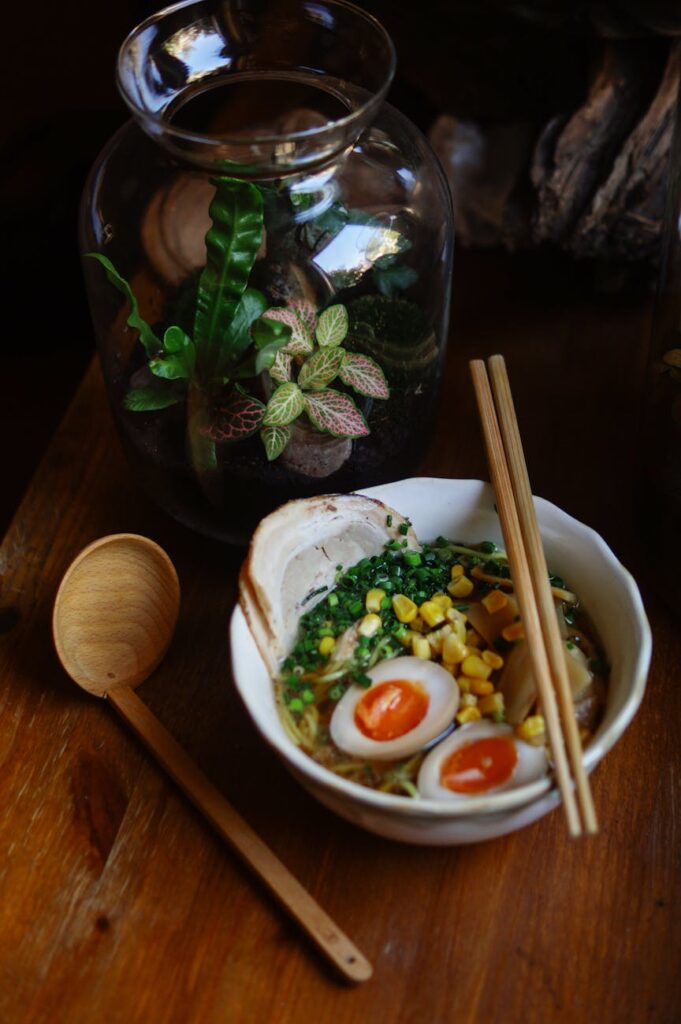
Miso ramen broth is a type of ramen broth that utilizes miso as its primary flavoring agent. Miso, a fermented soybean paste, is made through a meticulous fermentation process that contributes to the broth’s deep umami profile. The broth can vary in flavor, color, and consistency depending on the type of miso used and the additional ingredients incorporated into the preparation. Typically served with ramen noodles, miso ramen broth can be garnished with a variety of toppings, making it a versatile and beloved dish both in Japan and around the world.
History and Origins
The origins of miso ramen can be traced back to the early 20th century in Hokkaido, Japan. The city of Sapporo is particularly noteworthy for its association with miso ramen, where the dish was first popularized in the post-World War II era. The harsh winters in Hokkaido led to the creation of a hearty, warming ramen broth that would satisfy both hunger and the need for comfort during cold months. Miso, already a staple in Japanese cuisine, was adapted into this new ramen dish, allowing for a unique flavor profile that distinguished it from other types of ramen, such as shoyu (soy sauce) and shio (salt) ramen.
As ramen began to gain international popularity, miso ramen emerged as a favorite due to its rich flavor and nutritional benefits. Today, it is celebrated not only in ramen shops across Japan but also in various culinary establishments globally, reflecting a blend of traditional techniques and modern interpretations.
Production and Processing
The production of miso ramen broth involves several steps that highlight the importance of quality ingredients and meticulous technique.
Miso Production
Miso itself is made from soybeans, salt, and a culture known as koji, which is typically derived from rice or barley. The soybeans are boiled and then mixed with the koji and salt, allowing the mixture to ferment for a period that can range from a few weeks to several years. The length of fermentation influences the flavor and color of the miso, with lighter misos being milder and sweeter, while darker varieties offer a more robust and savory taste.
Broth Preparation
In preparing miso ramen broth, the miso is typically dissolved in a base made from dashi, a Japanese stock often made from kombu (sea kelp) and katsuobushi (dried bonito flakes). The combination of dashi and miso creates a rich umami flavor characteristic of miso ramen. Additional ingredients such as vegetables, garlic, and ginger may be sautéed and added to enhance the broth’s complexity.
Some chefs may also incorporate meat or seafood for added richness, though vegetarian and vegan variations are widely available, showcasing the adaptability of miso ramen broth to various dietary preferences.
Quality and Grading
When it comes to quality and grading, miso can vary significantly based on its ingredients, fermentation duration, and production methods. Authentic miso is often categorized into different types, including:
1. Hatcho Miso: A type of red miso known for its rich flavor, typically made in Aichi Prefecture. It is fermented for a longer time, resulting in a darker color and more intense taste.
2. Shiro Miso: A milder, sweeter white miso that undergoes a shorter fermentation process, making it ideal for lighter broths.
3. Aka Miso: A red miso that has a robust and savory profile, frequently used in hearty dishes.
4. Mixed Miso: A combination of different types of miso, providing a balanced flavor that can be tailored to individual preferences.
Quality miso ramen broth relies on the use of high-quality miso, fresh dashi, and other ingredients. When purchasing miso, consumers should look for brands that use organic soybeans and avoid additives or preservatives whenever possible.
Buying Considerations
When selecting miso ramen broth or the ingredients used to create it, there are several factors to consider:
1. Type of Miso: Choose a miso type that aligns with your flavor preferences. If you enjoy stronger flavors, opt for red miso. For a milder taste, white miso is ideal.
2. Freshness: Fresh ingredients can significantly impact the quality of the broth. Look for miso and dashi that are produced or packaged recently.
3. Dietary Restrictions: Miso ramen broth can be adapted for various dietary needs. Ensure that the miso and broth components align with any dietary restrictions you may have, such as gluten-free or vegetarian options.
4. Local vs. Imported: While authentic Japanese miso is a great choice, local artisanal brands may also offer high-quality options that reflect regional flavor profiles.
5. Packaging: Consider the packaging and storage recommendations, as miso can spoil if not stored properly.
Uses and Applications
Miso ramen broth is primarily used as a base for ramen dishes, but its applications extend beyond just noodles. Here are a few common uses:
- Soups and Stews: Miso ramen broth can serve as a flavorful base for various soups and stews, enriching the overall taste.
- Sauces and Marinades: The umami-rich profile of miso broth makes it an excellent addition to sauces and marinades, enhancing the