
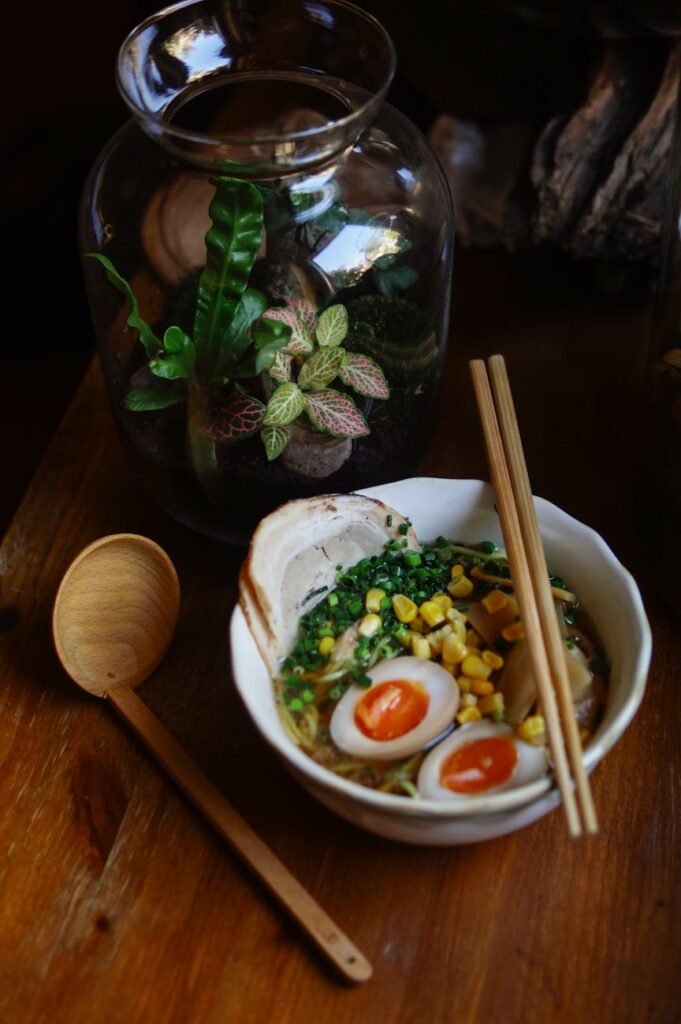
What Is Miso Ramen Broth?
Introduction
Miso ramen broth is an essential component of one of Japan’s most beloved dishes: ramen. This savory, umami-rich broth serves as the foundation for a variety of ramen styles and preparations. With its origins deeply embedded in Japanese culinary traditions, miso ramen broth is not only a staple in Japanese households but has also gained international recognition. This article delves into the intricacies of miso ramen broth, exploring its history, production methods, quality considerations, and much more.
What Is Miso Ramen Broth?
Miso ramen broth is a flavorful soup base made primarily from miso paste, a fermented soybean product that contributes to the broth’s distinctive taste and aroma. The primary varieties of miso used in ramen include white (shiro), red (aka), and mixed (awase) miso, each imparting its unique flavor profile. The broth serves as a canvas for additional ingredients, such as noodles, vegetables, meats, and garnishes, elevating the overall dining experience.
The umami flavor of miso ramen broth is a result of the fermentation process, which enriches the broth with complex flavors. The broth is typically characterized by its rich, salty, and slightly sweet notes, making it a comforting and satisfying culinary experience.
History and Origins
The origins of miso ramen broth trace back to the early 20th century in Japan. While ramen noodles have a longer history, dating back to Chinese wheat noodles introduced in the late 19th century, the specific combination of miso with ramen emerged in the post-World War II era. Hokkaido, Japan’s northernmost island, is often credited as the birthplace of miso ramen, particularly the city of Sapporo, where local chefs began experimenting with various miso blends to create a rich, hearty soup.
Over the decades, miso ramen has undergone numerous adaptations, influenced by regional ingredients and culinary practices. Today, it is celebrated not only in Japan but also globally, with chefs and home cooks alike experimenting with different miso types and additional flavors to create their unique versions of the dish.
Production and Processing
The production of miso ramen broth begins with the fermentation of soybeans, which is a fundamental step in creating miso paste. Soybeans are soaked, cooked, and then inoculated with a specific strain of mold, often Aspergillus oryzae, which initiates the fermentation process. This fermentation can take anywhere from a few months to several years, depending on the desired flavor profile and texture.
Once the miso paste is prepared, it is combined with various ingredients to create the broth. Common additions include dashi (a Japanese stock made from kelp and bonito flakes), aromatics like garlic and ginger, and other seasonings such as soy sauce and sake. The combination of these elements results in a rich, layered broth that serves as the foundation for a delicious bowl of ramen.
Quality and Grading
The quality of miso ramen broth is often determined by the quality of the miso used, the freshness of the ingredients, and the skill of the chef in balancing flavors. When selecting miso, consider the following factors:
1. Type of Miso: Different varieties (white, red, or mixed) will yield different flavor profiles. White miso is sweeter and milder, while red miso is more robust and salty.
2. Fermentation Time: Longer fermentation typically results in a deeper, more complex flavor.
3. Source: High-quality miso is often produced by traditional methods using organic soybeans and natural fermentation processes.
4. Texture: The miso should have a smooth texture without any lumps, indicating proper fermentation and processing.
When it comes to the overall broth quality, the balance between the miso, dashi, and additional seasonings is crucial. A well-crafted miso ramen broth should exhibit a harmonious blend of flavors that complement the other components of the dish.
Buying Considerations
When purchasing miso ramen broth or its components, consider the following tips:
1. Freshness: Look for freshly made miso or reputable brands that have a good turnover rate in stores. Freshness can significantly influence flavor.
2. Ingredients: Check the ingredient list for natural components. Avoid products with excessive preservatives or artificial flavorings.
3. Miso Variety: Choose the type of miso that matches your flavor preference and the overall profile you wish to achieve in your ramen.
4. Packaging: Miso is often sold in jars or vacuum-sealed packages. Look for airtight packaging to maintain freshness.
5. Local vs. Imported: While many imported miso products are of high quality, local artisanal brands may offer unique flavors and freshness that can enhance your ramen experience.
Uses and Applications
Miso ramen broth is primarily used as a base for ramen dishes, but its versatility extends beyond this traditional application. Here are some common uses:
1. Ramen Bowls: The most obvious application, serving as the soup base for various ramen styles, often topped with ingredients like sliced pork (chashu), green onions, seaweed, and soft-boiled eggs.
2. Soups and Stews: Miso ramen broth can be used as a base for other soups and stews, providing a rich, hearty flavor that enhances the dish.
3. Sauces and Marinades: The broth can be reduced and concentrated to create flavorful sauces or marinades for meats, vegetables, or tofu.
4. Cooking Liquid: Use miso broth for cooking grains like rice or quinoa to infuse them with savory flavors.
5. Dipping Sauce: Thinned out with additional water or stock, the broth can serve as a savory dipping sauce for dumplings or other appetizers.