
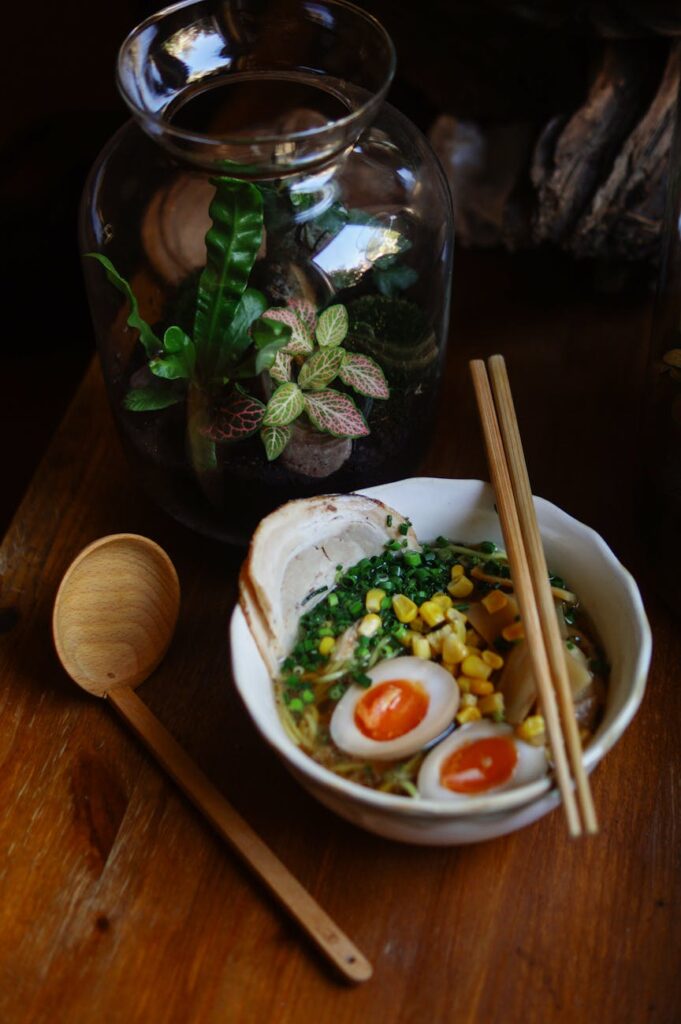
What Is Miso Ramen Noodles?
Introduction
Miso ramen noodles are a celebrated component of Japanese cuisine, known for their unique flavor and texture. They serve as the foundation for the beloved dish, miso ramen, which has gained immense popularity worldwide. This article delves into the intricacies of miso ramen noodles, exploring their history, production methods, quality considerations, and culinary applications. By understanding these aspects, you’ll gain a deeper appreciation for this versatile ingredient.
What Is Miso Ramen Noodles?
Miso ramen noodles are wheat-based noodles typically used in miso ramen, a rich and hearty noodle soup characterized by its savory miso broth. Miso, a fermented soybean paste, provides the dish with a complex umami flavor that elevates the dining experience. The noodles themselves are often made with a mixture of wheat flour, water, salt, and an alkaline mineral known as kansui, which gives them a distinctive chewy texture and yellowish hue.
The texture and thickness of miso ramen noodles can vary depending on the regional style and the chef’s preference. They can range from thin and delicate to thick and hearty, allowing for diverse culinary interpretations.
History and Origins
The origins of miso ramen can be traced back to Japan, where ramen itself is believed to have been influenced by Chinese noodle dishes. The introduction of miso as a flavoring agent is attributed to the Hokkaido region, where the cold climate and agricultural practices made miso a staple ingredient.
Miso ramen began to gain prominence in the post-World War II era, particularly in Sapporo, where the local version became synonymous with the city’s culinary identity. The dish rapidly gained popularity across Japan, leading to the establishment of ramen shops that specialize in various broths, including miso, shoyu (soy sauce), and shio (salt).
Production and Processing
The production of miso ramen noodles involves several steps, ensuring that the final product meets the high standards of texture and flavor expected by consumers.
1. Ingredient Selection: Quality wheat flour is the primary ingredient, often combined with kansui, which is essential for achieving the desired texture.
2. Dough Preparation: The flour, kansui, and water are mixed to form a dough. This process may involve mechanical kneading to develop gluten, which contributes to the noodles’ elasticity.
3. Resting Period: The dough is allowed to rest, which helps to relax the gluten and makes it easier to roll out.
4. Rolling and Cutting: After resting, the dough is rolled out into thin sheets and cut into the desired noodle shape and thickness.
5. Drying or Cooking: Depending on the intended final product, the noodles may be partially cooked and then dried for shelf stability, or they may be sold fresh.
6. Packaging: Finally, the noodles are packaged, often with instructions for cooking and serving.
Quality and Grading
The quality of miso ramen noodles can significantly influence the final dish. Several factors contribute to the grading of these noodles:
- Texture: A good miso ramen noodle should have a firm and chewy texture, allowing it to hold up well in broth without becoming mushy.
- Color: The color of the noodles can range from pale yellow to a deeper golden hue, depending on the amount of kansui used.
- Flavor: High-quality noodles will have a subtle flavor that complements the miso broth without overpowering it.
- Freshness: Freshly made noodles are often preferred for their superior texture and taste. However, dried noodles can also be of high quality if made with premium ingredients.
- Stir-Fries: They can be sautéed with vegetables, proteins, and sauces for a quick and satisfying meal.
- Cold Dishes: Chilled miso ramen noodles can be tossed with sesame oil, vegetables, and a light dressing for a refreshing salad.
- Noodle Bowls: Combine miso ramen noodles with toppings such as grilled meats, soft-boiled eggs, and green onions for a hearty noodle bowl.
- Soups Beyond Ramen: These noodles can also be added to other types of soups, enhancing the dish’s texture and flavor.
- Fresh Noodles: Typically, fresh miso ramen noodles should be used within a few days of purchase. They should be stored in the refrigerator and kept in an airtight container to prevent drying out.
- Dried Noodles: Dried noodles have a much longer shelf life, often lasting several months to a year when stored in a cool, dry place. Once opened, they should be kept in an airtight container to maintain freshness.
- All Ramen Noodles Are the Same: Many people assume that all ramen noodles are interchangeable. However, miso ramen noodles have distinct qualities that differentiate them from other types, such as soba or udon noodles.
- Miso and Ramen Are the Same: Miso refers specifically to the fermented soybean paste used to flavor the broth, while ramen noodles are the actual wheat-based noodles that form the dish. Miso ramen is a specific type of ramen characterized by its miso broth.
- Noodles Must Be Made Fresh: While fresh noodles are often preferred, high-quality dried noodles can also yield delicious results and are convenient for home cooks.
Artisan producers may offer specialty noodles that emphasize traditional techniques and local ingredients, while mass-produced options are widely available in supermarkets.
Buying Considerations
When purchasing miso ramen noodles, several factors should be considered:
1. Fresh vs. Dried: Fresh noodles tend to have a more pronounced flavor and texture, but dried noodles offer convenience and a longer shelf life.
2. Brand Reputation: Opt for brands known for their quality and authenticity in ramen production. Reading reviews and seeking recommendations can be beneficial.
3. Ingredients: Check the ingredient list for authenticity. High-quality noodles should primarily contain wheat flour, water, salt, and kansui, without unnecessary additives.
4. Thickness: Choose the noodle thickness based on personal preference and the type of miso ramen you plan to prepare. Thicker noodles can hold more broth, while thinner noodles may be more delicate.
5. Shelf Life: Pay attention to the expiration date, especially for fresh noodles. Dried noodles typically have a longer shelf life.
Uses and Applications
Miso ramen noodles are versatile and can be used in various culinary applications beyond traditional ramen soup. Here are a few examples:
Storage and Shelf Life
The storage and shelf life of miso ramen noodles depend on whether they are fresh or dried:
Regardless of the type, it’s essential to check for any signs of spoilage, such as off odors or discoloration, before use.
Common Misconceptions
Despite the popularity of miso ramen noodles, several misconceptions persist:
Frequently Asked Questions
1. What makes miso ramen noodles different from other ramen noodles?
Miso ramen noodles are specifically designed to complement the rich flavors of miso broth, often featuring a unique texture and thickness that varies by regional style. Their use of kansui also contributes to their distinct chewiness.
2. Can I use miso ramen noodles in other dishes?
Yes, miso ramen noodles can be used in various dishes beyond traditional ramen, including stir-fries, salads, and soups.
3. Are there gluten-free options for miso ramen noodles?
Traditional miso ramen noodles are made from wheat flour, which contains gluten. However, gluten-free alternatives made from rice or other gluten-free grains are available, though they may differ in texture and flavor.
4. How can I tell if miso ramen noodles are fresh?
Fresh miso ramen noodles should have a firm and pliable texture, with no signs of drying or discoloration. They should be stored in the refrigerator and consumed within a few days.
5. What is the best way to cook miso ramen noodles?
Cooking miso ramen noodles usually involves boiling them in water until they reach the desired texture. It’s essential to follow the package instructions for optimal results, as cooking times can vary based on thickness.
6. How do I choose the right miso for my ramen?
The choice of miso can significantly affect the flavor of your ramen. White miso is sweeter and milder, while red miso has a richer and more robust flavor. Consider experimenting with different types to find the one that best suits your palate.
Conclusion
Miso ramen noodles are a unique and flavorful ingredient that embodies the essence of Japanese cuisine. Their rich history, meticulous production methods, and versatile applications make them a staple in many kitchens worldwide. By understanding the various aspects of miso ramen noodles, enthusiasts can appreciate their complexity and elevate their culinary creations. Whether enjoyed in a traditional bowl of ramen or incorporated into innovative dishes, miso ramen noodles are sure to delight palates everywhere.