
What Is Miso Ramen?
Introduction
Miso ramen is a beloved noodle dish that brings together the umami-rich flavors of miso with the comforting textures of traditional ramen. Originating from Japan, this dish has gained immense popularity worldwide, transcending cultural boundaries and becoming a staple in both casual eateries and gourmet restaurants. This article delves deeply into the various aspects of miso ramen, exploring its history, production, applications, and much more.
What Is Miso Ramen?
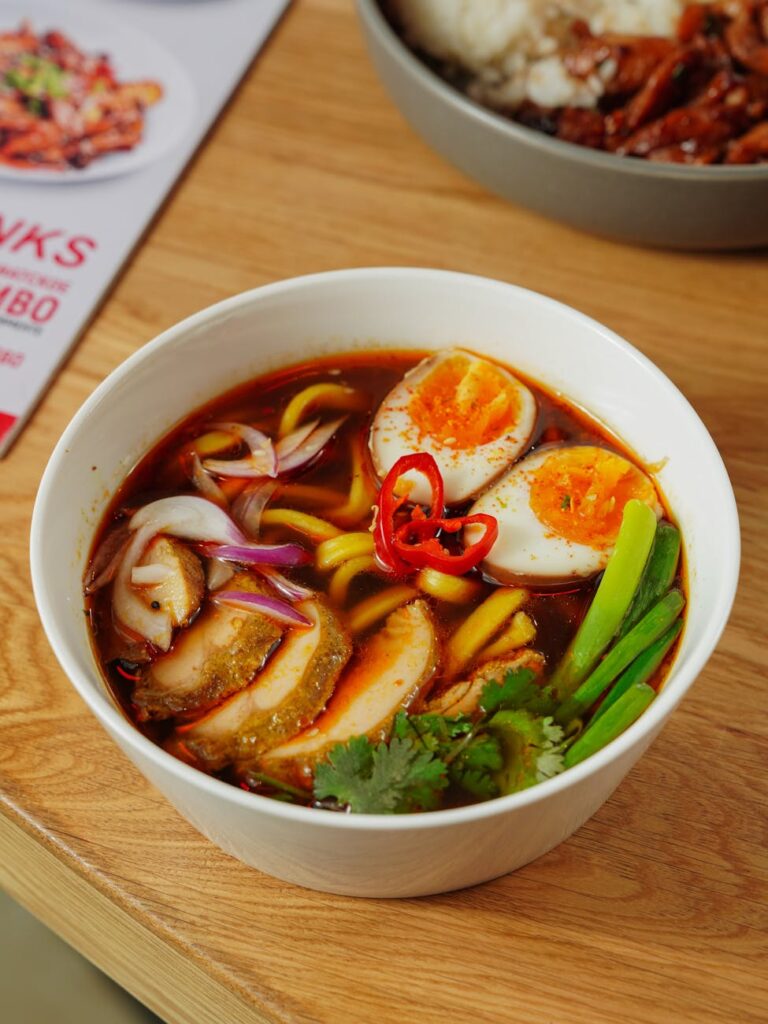
Miso ramen is a type of Japanese noodle soup characterized by its use of miso paste as a primary seasoning. Miso, a fermented soybean paste, adds a distinctive depth of flavor that enhances the overall taste of the ramen broth. Typically, miso ramen consists of wheat noodles served in a hot, savory broth, which may be enriched with additional ingredients like vegetables, meats, and garnishes. The dish is often topped with items such as sliced green onions, nori (seaweed), menma (bamboo shoots), and sometimes a soft-boiled egg, creating a rich and satisfying meal.
History and Origins
The history of miso ramen can be traced back to the post-World War II era in Japan. While ramen itself has a longer history, believed to have been introduced from China in the late 19th century, miso ramen emerged as a unique variant in Hokkaido, the northernmost island of Japan. The region is known for its cold climate, making hearty dishes like miso ramen particularly appealing.
One of the first recorded instances of miso ramen was at a small eatery in Sapporo in 1955, where the chef combined the local miso paste with traditional ramen noodles. This innovation quickly gained popularity, leading to the establishment of various ramen shops that specialized in this comforting dish. Over the years, miso ramen evolved, with different regions and chefs introducing their unique twists, making it a versatile staple within Japanese cuisine.
Production and Processing
The production of miso ramen involves several key components: the miso paste, the noodles, and the broth.
Miso Paste
Miso is made from fermented soybeans, salt, and a mold called koji. The fermentation process can take anywhere from a few weeks to several years, depending on the desired flavor profile. There are various types of miso, including white (shiro), red (aka), and mixed (awase), each offering different flavor notes ranging from sweet and mild to robust and salty. The choice of miso significantly influences the overall taste of the miso ramen.
Noodles
Ramen noodles are typically made from wheat flour, water, salt, and kansui, an alkaline mineral water that gives the noodles their unique texture and yellow color. The noodles can vary in thickness and shape, with some regions favoring curly noodles while others opt for straight ones. For miso ramen, the noodles are usually thicker to hold up against the rich and hearty broth.
Broth
The broth in miso ramen is often made by combining miso paste with a base of meat (often pork or chicken) and/or fish stock. The broth is simmered with various aromatics, such as garlic, ginger, and scallions, to enhance its flavor. The final product is a warm, savory liquid that serves as the foundation for the dish.
Quality and Grading
The quality of miso ramen can be assessed through several factors, including the freshness of the ingredients, the balance of flavors, and the skill of the chef in preparing the dish.
Miso Quality
When selecting miso, look for artisanal brands that prioritize natural fermentation processes. High-quality miso is often labeled as organic and may have a more complex flavor profile due to longer fermentation times.
Noodle Quality
Quality ramen noodles should have a firm texture and a slight chewiness. Freshly made noodles are preferable, but dried noodles can also yield satisfactory results when cooked properly.
Broth Quality
A well-prepared broth should be rich and flavorful without being overly salty. Achieving the right balance of miso and other seasonings is crucial, as this will define the overall taste of the dish.
Buying Considerations
When purchasing miso ramen ingredients, several factors should be considered to ensure the best dining experience:
- Miso Paste: Choose miso that aligns with your flavor preferences. White miso is milder and sweeter, while red miso is more robust and salty.
- Noodles: Opt for fresh or high-quality dried ramen noodles. Check the packaging for details about the texture and ingredients.
- Broth Components: If you’re making your own broth, consider using homemade stock for a fresher taste. Look for high-quality meats and aromatics.
- Toppings: Fresh toppings can elevate your miso ramen. Seek out local produce and quality proteins for the best results.
Uses and Applications
Miso ramen is versatile and can be enjoyed in various contexts. It can serve as a hearty meal on a cold day, a comforting dish during illness, or even as a gourmet offering at upscale dining establishments. The dish can be customized according to personal preferences, allowing for an array of toppings and additions.
It is also increasingly being embraced in fusion cuisine, where chefs experiment with non-traditional ingredients, merging flavors from different culinary backgrounds. This adaptability allows miso ramen to cater to a broad audience, making it a favorite among food enthusiasts.
Storage and Shelf Life
The storage and shelf life of miso ramen ingredients vary:
Miso Paste
Miso paste can be stored in an airtight container in the refrigerator, where it can last for several months to a year. The flavor may intensify over time, which can be beneficial for certain dishes.
Noodles
Fresh ramen noodles should be consumed within a few days if kept in the refrigerator. Dried noodles have a longer shelf life and can be stored in a cool, dry place for several months.
Broth
Homemade broth can be refrigerated for up to a week or frozen for several months. It is important to cool the broth quickly before storage to maintain its quality.
Common Misconceptions
1. Miso Ramen is Always Spicy: While some variations may include spicy elements, miso ramen is not inherently spicy. The flavor profile largely depends on the type of miso used.
2. All Ramen is the Same: Ramen varies widely across regions and styles, including tonkotsu (pork bone), shoyu (soy sauce), and shio (salt) ramen. Miso ramen is just one of many styles.
3. Miso Ramen is Unhealthy: Like many dishes, the healthfulness of miso ramen depends on the ingredients and portion sizes. It can be made with nutritious components, including vegetables and lean proteins.
Frequently Asked Questions
1. What is the difference between miso ramen and other types of ramen?
Miso ramen is distinguished by its use of miso paste in the broth, while other types, like shoyu or shio ramen, use soy sauce or salt as their primary seasoning.
2. Can I make miso ramen vegetarian or vegan?
Yes, miso ramen can easily be adapted to vegetarian or vegan diets by using vegetable broth and plant-based toppings.
3. What types of miso are best for ramen?
Both white (shiro) and red (aka) miso can be used, depending on the desired flavor. White miso is sweeter and milder, while red miso is saltier and more robust.
4. Is miso ramen spicy?
Miso ramen is not inherently spicy. However, it can be customized with spicy toppings or seasonings if desired.
5. How do I know if my miso paste has gone bad?
Signs of spoilage include an off smell, unusual discoloration, or mold. If any of these signs are present, it’s best to discard the miso.
6. Can I freeze miso ramen broth?
Yes, miso ramen broth can be frozen for long-term storage. Be sure to cool it completely before placing it in airtight containers for freezing.
Conclusion
Miso ramen stands as a testament to Japan’s rich culinary heritage, combining simple ingredients into a dish that is both comforting and complex. Its growing popularity around the globe has made it a versatile option that can be adapted to various dietary preferences and tastes. By understanding the history, production, and applications of miso ramen, one can appreciate this dish on a deeper level and explore the myriad ways it can be enjoyed. Whether savored in a bustling ramen shop or created at home, miso ramen continues to delight palates and warm hearts around the world.