
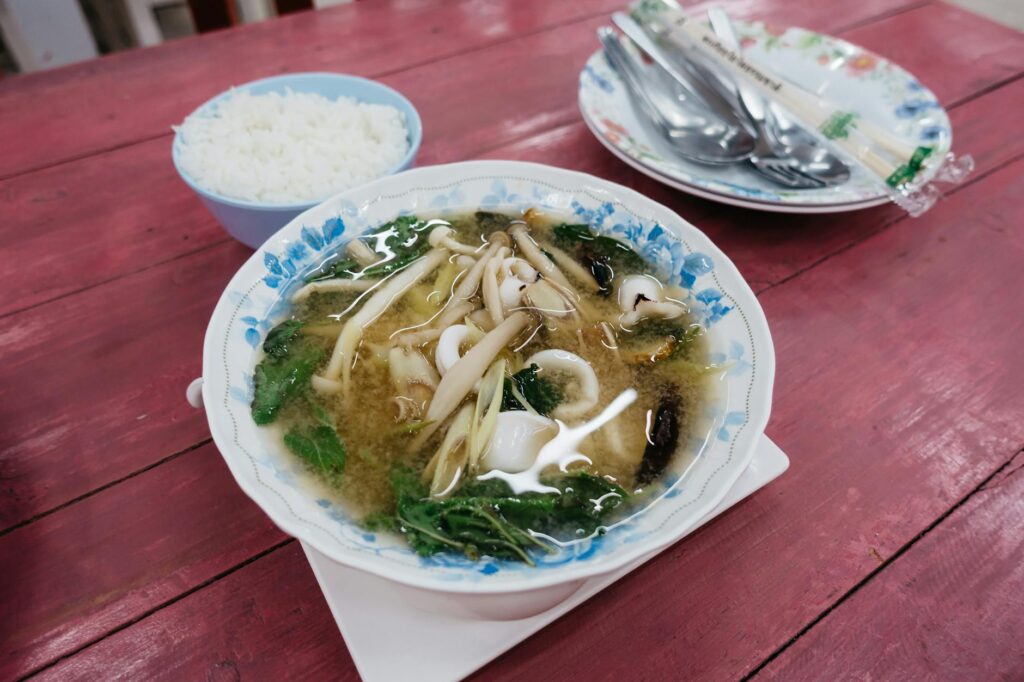
What Is Miso Soup?
Introduction
Miso soup is a quintessential element of Japanese cuisine, celebrated not only for its complex flavors but also for its cultural significance. Traditionally served as part of a Japanese breakfast, miso soup is enjoyed at any time of day and has found its way into the hearts and kitchens of food lovers around the globe. This article delves into the intricacies of miso soup, exploring its history, production, quality grading, and much more, providing a comprehensive understanding of this beloved dish.
What Is Miso Soup?
Miso soup is a savory broth made primarily from miso paste, which is produced through the fermentation of soybeans, salt, and a specific type of mold known as koji. The soup can vary widely in flavor and texture, often enhanced with ingredients such as tofu, seaweed (notably wakame), scallions, mushrooms, and various vegetables. The resulting dish is warm and nourishing, typically served hot and enjoyed for its umami-rich profile.
At its core, miso soup is not merely a culinary preparation; it is a cultural artifact reflecting Japan’s food philosophy, which emphasizes seasonal ingredients, balance, and harmony. The versatility of miso soup allows it to be adapted to various dietary preferences while maintaining its foundational characteristics.
History and Origins
The origins of miso soup trace back over a thousand years to ancient Japan, where fermented foods were integral to the diet. The introduction of soybeans to Japan from China laid the groundwork for miso production. The earliest records of miso date back to the Nara period (710-794 AD), where it appeared in texts detailing the Japanese culinary landscape.
Miso soup became a staple during the Edo period (1603-1868), when the dish began to evolve with regional variations. As Japan opened up to international influences in the late 19th century, miso soup gained popularity beyond its native borders. Today, it is celebrated not only in Japan but worldwide, contributing to the global appreciation of Japanese cuisine.
Production and Processing
The production of miso paste, the key ingredient in miso soup, involves a meticulous fermentation process. The primary ingredients include soybeans, koji (a mold culture), and salt. The basic steps of production are as follows:
1. Soaking and Cooking: Dried soybeans are soaked in water and then boiled until soft.
2. Koji Preparation: Rice or barley is inoculated with koji mold to initiate fermentation. This koji is then mixed with the cooked soybeans.
3. Fermentation: The soybean and koji mixture is combined with salt and placed in fermentation containers. The length of fermentation can vary, typically ranging from a few weeks to several years, producing different flavors and textures.
4. Miso Paste: Once fermentation is complete, the mixture is ground into a paste and packaged for distribution. Various types of miso exist, including white (shiro), red (aka), and mixed (awase), each offering distinct flavor profiles.
The quality of miso depends on the ingredients used, the duration of fermentation, and the craftsmanship of the producer. Artisan miso makers often employ traditional methods, leading to nuanced flavors and superior quality.
Quality and Grading
The quality of miso paste is influenced by several factors, including the choice of ingredients, fermentation time, and production methods. Miso can be categorized into different types based on color, taste, and ingredients, with each type offering unique characteristics:
- White Miso (Shiro): Typically sweeter and milder, made with a higher proportion of rice koji, suitable for lighter soups.
- Red Miso (Aka): Bolder and saltier, fermented longer, ideal for heartier dishes.
- Mixed Miso (Awase): A blend of both white and red miso, providing a balanced flavor.
- Traditional Miso Soup: The classic preparation with dashi (broth), miso, tofu, and seaweed.
- Salad Dressings: Miso can be blended with vinegar and oil to create flavorful dressings.
- Marinades: The umami qualities of miso make it an excellent base for marinades, especially for proteins like fish, chicken, and vegetables.
- Sauces and Dips: Miso can be incorporated into sauces for added depth, perfect for enhancing grilled or roasted dishes.
- Fermented Foods: Some innovative chefs use miso as a flavoring agent in pickling vegetables or fermenting other ingredients.
Grading systems for miso are less standardized than some other food products. However, high-quality miso is often characterized by a rich aroma, depth of flavor, and a smooth texture. When purchasing miso, look for products made from organic soybeans and minimal additives, ensuring a more authentic taste.
Buying Considerations
When selecting miso for soup preparation, several factors should be considered:
1. Type of Miso: Depending on your flavor preference, choose between white, red, or mixed miso. Each type lends itself to different culinary applications.
2. Ingredients: Opt for organic miso made with non-GMO soybeans. Avoid products with artificial preservatives or additives.
3. Packaging: Miso is available in various forms, from refrigerated tubs to vacuum-sealed packets. Choose packaging that maintains freshness.
4. Local vs. Imported: While traditional Japanese miso is widely available, local artisans may offer unique, regional variations worth exploring.
Reading labels and understanding the source of your miso can enhance both the quality of your soup and your culinary experience.
Uses and Applications
Miso soup is versatile, serving not only as a comforting bowl of broth but also as a foundation for various dishes. Some common uses include:
The adaptability of miso allows it to complement a wide range of culinary styles, making it a valuable ingredient in both traditional and contemporary kitchens.
Storage and Shelf Life
Miso should be stored in a cool, dark place, ideally in a refrigerator once opened. When properly stored, miso can last for several months to a year, depending on its type and fermentation process. Always ensure the container is tightly sealed to prevent exposure to air, which can alter its flavor and texture.
If mold appears on the surface of the miso, it can typically be scraped away, but it’s essential to inspect the paste for any off-odors or significant texture changes before use. Unopened miso can be stored in a pantry, but refrigeration is recommended for maximizing freshness.
Common Misconceptions
Several misconceptions surround miso soup that merit clarification:
1. Miso Soup Is Always Vegetarian: While traditional miso soup often uses dashi made from fish, vegetarian versions utilize seaweed or mushroom-based broths.
2. All Miso Is the Same: Miso varies widely in flavor, type, and quality. Understanding these differences enhances the culinary experience.
3. Miso Is Just a Soup Base: Miso can be used in diverse culinary applications beyond soup, such as dressings, marinades, and sauces.
4. Miso Is Unhealthy: While miso is high in sodium, it also offers beneficial probiotics and vitamins. Moderation and balance are key.
5. Miso Soup Is Difficult to Make: Miso soup can be simple and quick to prepare, with the main challenge being the selection of quality ingredients.
6. Miso Should Be Boiled: Boiling miso can destroy its beneficial properties; it is best dissolved in warm broth.
Understanding these misconceptions can enhance appreciation for miso soup and its role in a balanced diet.
Frequently Asked Questions
1. What is the main ingredient in miso soup?
The main ingredient in miso soup is miso paste, which is made from fermented soybeans, salt, and koji.
2. Can miso soup be made vegetarian?
Yes, miso soup can be made vegetarian by using a vegetable-based broth, such as dashi made from seaweed or mushrooms.
3. How long does miso soup last in the refrigerator?
Once prepared, miso soup can typically last for about 3 to 5 days in the refrigerator, stored in an airtight container.
4. Is miso soup gluten-free?
Not all miso is gluten-free. While many types of miso are made from soybeans and are gluten-free, some miso varieties contain barley or other gluten-containing grains. Always check labels if gluten is a concern.
5. How do I know if my miso is still good?
If miso has an off-odor, significant texture changes, or a high amount of mold, it is best to discard it. Otherwise, properly stored miso can last for months or even years.
6. Can I use miso soup as a base for other dishes?
Absolutely! Miso soup can serve as a flavorful base for various dishes, including marinades, dressings, and sauces, enhancing their umami profile.
Conclusion
Miso soup is more than just a comforting dish; it is a rich tapestry of history, culture, and culinary art. Understanding its origins, production, and applications can deepen one’s appreciation for this traditional Japanese staple. Whether enjoyed in a cozy kitchen or as part of a sophisticated culinary experience, miso soup continues to thrive as a celebrated component of global gastronomy.