
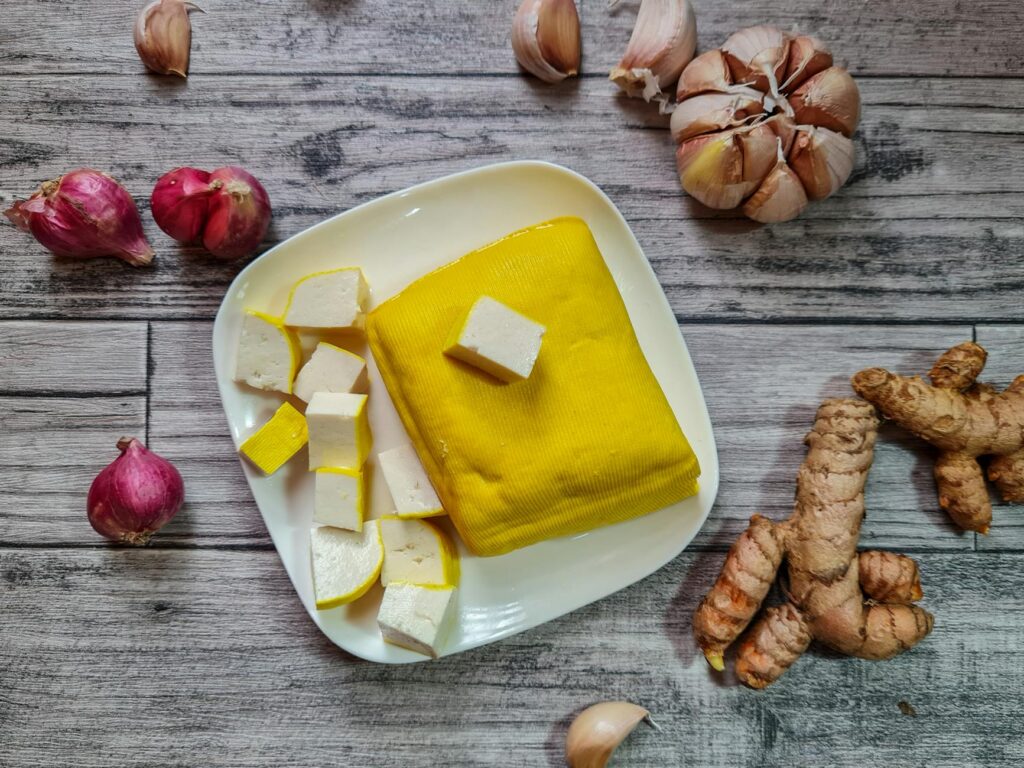
What Is Miso Tofu Skin?
Introduction
Miso tofu skin is a unique and versatile ingredient that has gained significant attention in culinary circles, particularly among those interested in plant-based diets and Japanese cuisine. This ingredient, deeply rooted in tradition, serves as a flavorful and nutritious component that can elevate a variety of dishes. Understanding its characteristics, origins, and applications can enhance your culinary repertoire, whether you are a seasoned chef or an aspiring home cook.
What Is Miso Tofu Skin?
Miso tofu skin, often referred to as “yuba” in Japanese, is the delicate film that forms on the surface of soy milk during the process of making tofu. This thin layer is rich in protein, making it an excellent source of nutrition, and it carries a subtle umami flavor, thanks to the fermentation process involved with miso. Miso, a fermented soybean paste, contributes to the complex flavor profile of this ingredient, which is celebrated for both its culinary versatility and health benefits.
History and Origins
The origins of miso tofu skin can be traced back to ancient China, where soybeans were first cultivated over 3,000 years ago. The practice of making tofu, and subsequently yuba, spread to Japan around the 7th century. Over the centuries, tofu and yuba became staples in Japanese cuisine, particularly within Buddhist vegetarian traditions. Miso itself, which dates back to at least the 7th century in Japan, became an integral part of the Japanese diet, further enhancing the flavor of yuba.
As globalization has increased awareness and appreciation for plant-based ingredients, miso tofu skin has seen a resurgence in popularity beyond its traditional roots. Today, it is celebrated not only in Japanese cooking but also in various international cuisines, often appreciated for its adaptability and healthful properties.
Production and Processing
The production of miso tofu skin begins with high-quality soybeans, which are soaked, ground, and boiled to extract soy milk. This soy milk is then heated, during which a thin film, or skin, forms on the surface. The process of making this skin involves careful temperature control, ensuring that the soy milk does not boil too vigorously, which can disrupt the formation of the yuba.
Once the skin has formed, it is carefully lifted off, often using a bamboo tool, and allowed to dry. The drying process can vary, with some producers opting for air drying while others may use dehydrators. The final product is a delicate, protein-rich sheet that can be used in a variety of culinary applications.
Miso tofu skin can be found in both fresh and dried forms. The fresh version is often used immediately in dishes, while the dried version has a longer shelf life and requires rehydration before use.
Quality and Grading
The quality of miso tofu skin can vary significantly based on the soybeans used, the production methods, and the level of care taken during processing. High-quality yuba should have a smooth, even texture and a pale golden color, indicative of careful handling during production.
When considering grading, factors such as thickness and moisture content play crucial roles. Thicker sheets tend to have a more substantial texture and are favored for certain applications, while thinner sheets may be preferred for delicate dishes. Additionally, the taste should reflect the quality of the miso used, with a balanced umami flavor that enhances rather than overpowers other ingredients.
Buying Considerations
When purchasing miso tofu skin, there are several factors to consider to ensure you select the best product for your needs.
1. Fresh vs. Dried: Fresh yuba is ideal for immediate use in recipes, whereas dried yuba has a longer shelf life and is more versatile for storage. Assess your cooking habits to choose accordingly.
2. Source and Ingredients: Look for reputable brands that specify the use of organic, non-GMO soybeans. The ingredient list should be minimal, ideally containing only soybeans and water.
3. Texture and Thickness: Depending on your intended use, consider the texture and thickness of the sheets. Thicker yuba is often better for grilling or frying, while thinner sheets work well in soups and salads.
4. Miso Variety: The type of miso used in production can influence the flavor profile of the yuba. Experimenting with different varieties can yield different results in your dishes.
5. Packaging: Ensure that the packaging is intact and properly sealed to maintain freshness. For dried products, check for signs of moisture which can lead to spoilage.
Uses and Applications
Miso tofu skin is an incredibly versatile ingredient that can be employed in a multitude of culinary applications.
- Soups and Stews: It can be added to miso soup or other broths, where its texture absorbs flavors beautifully while providing a satisfying bite.
- Salads: Rehydrated yuba can be tossed into salads, offering both protein and a unique texture that complements leafy greens and vegetables.
- Stir-Fries: It can be sliced and stir-fried with vegetables and sauces, providing a hearty element to vegetable-based dishes.
- Wraps and Rolls: Miso tofu skin can be used as a wrapper for various fillings, similar to how one might use rice paper or nori.
- Grilled or Fried: Thicker sheets can be grilled or fried, creating a crispy exterior that can serve as a flavorful snack or appetizer.
- Desserts: In some culinary traditions, yuba is also utilized in desserts, where its subtle flavor can balance sweeter elements.
- Fresh Miso Tofu Skin: Typically, fresh yuba should be consumed within a few days of purchase. It should be kept refrigerated in an airtight container to maintain its freshness
Storage and Shelf Life
The storage and shelf life of miso tofu skin depend on whether it is fresh or dried.