
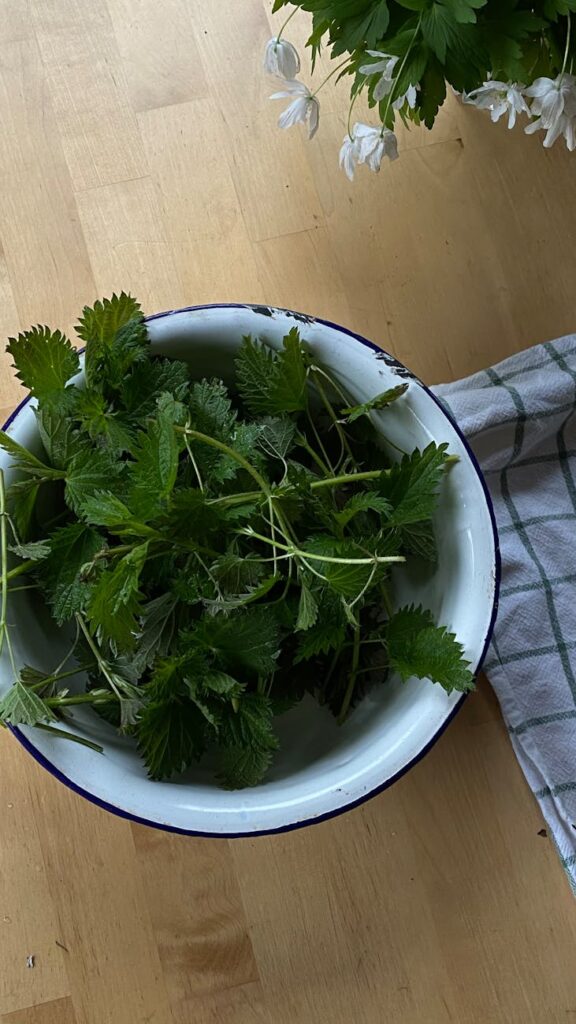
What Is Nettles?
Introduction
Nettles, often regarded as a nuisance weed, are a remarkable and versatile ingredient that has been used for centuries in various cultures around the world. Known scientifically as Urtica dioica, nettles belong to the Urticaceae family and are characterized by their serrated leaves and stinging hairs. While they may elicit a painful sting when touched, this same property contributes to their nutritional and culinary value. This article provides an in-depth exploration of nettles, focusing on their history, production, uses, and more, to shed light on this underappreciated green.
What Is About?
Nettles are herbaceous plants that can grow up to 1.5 meters (5 feet) tall, thriving in nutrient-rich soils, often found in temperate regions. The plant is distinguished by its opposite, serrated leaves and clusters of tiny green flowers. When brushed against, the leaves release an irritating substance that causes a stinging sensation on the skin. This sting is due to the presence of formic acid, histamine, and other compounds found in specialized stinging hairs on the plant.
In culinary contexts, nettles are celebrated for their earthy flavor and nutritional profile. Rich in vitamins A, C, K, and several B vitamins, as well as minerals such as iron, calcium, and magnesium, nettles are often used in soups, teas, and other dishes. Beyond their culinary uses, nettles have been utilized in traditional medicine, textiles, and even as a fertilizer, showcasing their multifaceted applications.
History and Origins
The history of nettles is as rich as the soil in which they grow. Archaeological evidence suggests that nettles have been utilized by humans for over 2,000 years. The plant is believed to have originated in Europe, Asia, and North America. Ancient civilizations, including the Greeks and Romans, recognized the plant’s utility not only as a food source but also for its medicinal properties.
Nettles were widely used in traditional European folk medicine, where they were believed to treat a variety of ailments, from arthritis to respiratory issues. The fibers of the nettle plant were also harvested to create textiles, which were particularly valued before the widespread availability of cotton and synthetic fibers. In the Middle Ages, nettles were cultivated in gardens, and their leaves were consumed as a spring tonic to rejuvenate the body after winter.
Today, nettles are experiencing a resurgence in popularity, particularly among foragers and those interested in sustainable eating. Their rich heritage and ecological importance continue to be celebrated by chefs and nutritionists alike.
Production and Processing
Nettles are typically harvested in the spring when the young leaves are tender and most flavorful. The best time to gather them is before they flower, as this is when they contain the highest nutritional value. Harvesting should be done carefully, using gloves to avoid the stinging sensation that the plant can inflict.
Once harvested, nettles are usually processed in several ways to make them safe and enjoyable for consumption. Common methods include blanching, drying, and cooking. Blanching involves briefly boiling the nettles and then plunging them into ice water, which neutralizes the sting and makes them easier to handle. This method also helps retain their vibrant green color and nutritional content.
For culinary use, nettles can be dried for later consumption or cooked in a variety of dishes. The leaves can be used fresh in salads, added to soups, or blended into pestos. In some cultures, nettle fibers are processed into textiles, though this practice is less common today.
Quality and Grading
When it comes to the quality of nettles, several factors come into play. Fresh nettles should be vibrant green, with no signs of wilting or browning. The leaves should be tender and young, as older leaves may be tougher and more fibrous.
For dried nettles, quality can be assessed by examining the color and aroma. High-quality dried nettles should retain their rich green hue and have a pleasant, earthy fragrance. Avoid any products that appear dusty or have an off-putting smell, as these may indicate improper storage or aging.
In markets where nettles are sold, such as farmers’ markets or specialty health food stores, quality and grading may not be as standardized as with other ingredients. Therefore, it is advisable to purchase from reputable sources or local foragers who can provide insight into the freshness and handling of the product.
Buying Considerations
When purchasing nettles, whether fresh or dried, consumers should consider several aspects:
1. Source: Opt for organic or locally sourced nettles when possible. This ensures that the plants are free from harmful pesticides and chemicals, which can affect both flavor and safety.
2. Freshness: Look for bright green leaves without any signs of browning or wilting. Fresh nettles should be sold in bunches and can often be found at farmers’ markets or specialty grocery stores.
3. Form: Decide whether you prefer fresh or dried nettles, depending on your intended use. Fresh nettles are ideal for cooking and immediate consumption, while dried nettles can be used in teas or stored for longer periods.
4. Seasonality: Keep in mind that nettles are typically in season during the spring months. If you’re looking for fresh nettles, plan to buy them during this time for the best quality.
5. Safety: Always wear gloves when handling fresh nettles to avoid being stung. If purchasing dried nettles, ensure they are properly packaged and stored to prevent contamination.
Uses and Applications
Nettles have a wide range of applications, both culinary and non-culinary.
Culinary Uses
In the kitchen, nettles can be a delightful addition to various dishes. Their flavor is often compared to that of spinach, with a slightly earthy and herbaceous profile