
What Is Nori?
Introduction
Nori, a staple in Japanese cuisine, is more than just a wrapping for sushi; it is a versatile and nutrient-rich ingredient that has garnered global appreciation. Characterized by its distinctive taste and texture, nori has transcended its traditional uses and is now embraced in various culinary applications across the world. This article delves into the intricacies of nori, exploring its origins, production processes, quality standards, and diverse uses.
What Is Nori?
Nori is a type of edible seaweed belonging to the red algae family, specifically the genus Porphyra. It is primarily cultivated in coastal regions and is harvested for its thin, dark green to black sheets. Nori is most commonly associated with sushi and onigiri (rice balls), but it is also utilized in soups, salads, and snacks, highlighting its adaptability in both traditional and contemporary kitchens.
The flavor profile of nori is often described as umami-rich, with a slightly briny taste that enhances various dishes. Its unique texture combines a crispness when dry and a soft, pliable quality when hydrated, making it an interesting ingredient for chefs and home cooks alike.
History and Origins
The use of nori dates back to ancient Japan, where it was first documented during the Heian period (794-1185 AD). Initially, nori was gathered from the wild, and its consumption was limited to coastal communities. The method of cultivation began to evolve in the 17th century, particularly in the Edo period (1603-1868), when farmers started to cultivate nori on floating mats in the water, a practice that significantly increased its availability.
As Japan opened its doors to the world during the Meiji Restoration (1868-1912), nori gained international recognition. The introduction of sushi to Western cuisine in the 20th century further popularized nori outside of Japan, leading to its integration into various global culinary traditions.
Production and Processing
The production of nori involves several meticulous steps, starting with the cultivation of Porphyra algae. Nori is typically grown on ropes submerged in clean seawater. The cultivation process takes place during specific seasons, usually in the cooler months when water temperatures are optimal for growth.
Harvesting
Once the algae reach maturity, they are harvested by hand or using specialized equipment. After harvesting, the seaweed is washed to remove impurities and then laid out to dry.
Drying and Roasting
The drying process is crucial; it reduces moisture content and preserves the nori. Traditionally, nori sheets are air-dried, but modern techniques often involve mechanical drying. After drying, the sheets are lightly roasted over open flames or in ovens, enhancing their flavor and making them more palatable.
Packaging
Once processed, nori is cut into sheets and packaged to maintain freshness. Proper packaging is essential to protect nori from moisture and light, which can degrade its quality over time.
Quality and Grading
Nori is graded based on several factors, including color, texture, aroma, and flavor. The highest quality nori is characterized by a deep green color, a smooth texture, and a pleasant aroma.
Grading Systems
In Japan, nori is typically categorized into different grades, such as:
- A Grade: Premium quality, with a vibrant color and exceptional flavor.
- B Grade: Good quality, suitable for sushi and other dishes but may have slight imperfections.
- C Grade: Lower quality, often used for cooking or in processed foods.
- Seal Properly: After opening, reseal the package tightly or transfer the nori to an airtight container.
- Avoid Moisture: Keep nori away from moisture, as it can quickly become soggy and lose its crispness.
- Refrigeration: While not necessary, storing nori in the refrigerator can prolong its shelf life, especially in humid climates.
When purchasing nori, consumers should look for packaging that indicates the grade and origin, as this can help ensure they are selecting a high-quality product.
Buying Considerations
When buying nori, several factors should be taken into account to ensure the best quality:
1. Source: Look for nori sourced from reputable regions, such as Japan or Korea, known for their high-quality seaweed production.
2. Packaging: Ensure the nori is packaged in a moisture-proof container to maintain freshness. Vacuum-sealed packages are often the best choice.
3. Type: Consider the variety of nori; some are specifically designed for sushi, while others may be more suitable for snacking or cooking.
4. Expiration Date: Check the expiration date on the package to ensure freshness.
Uses and Applications
Nori has an array of culinary applications that extend beyond sushi. Some of the most common uses include:
Sushi and Sashimi
Nori is most famously used as a wrap for sushi rolls (makis) and as a garnish for sashimi. It adds flavor and texture, complementing the freshness of fish and vegetables.
Snacks
Nori can be enjoyed as a standalone snack. Various brands offer roasted nori sheets seasoned with salt or other flavorings, making them a healthy alternative to traditional snacks.
Soups and Salads
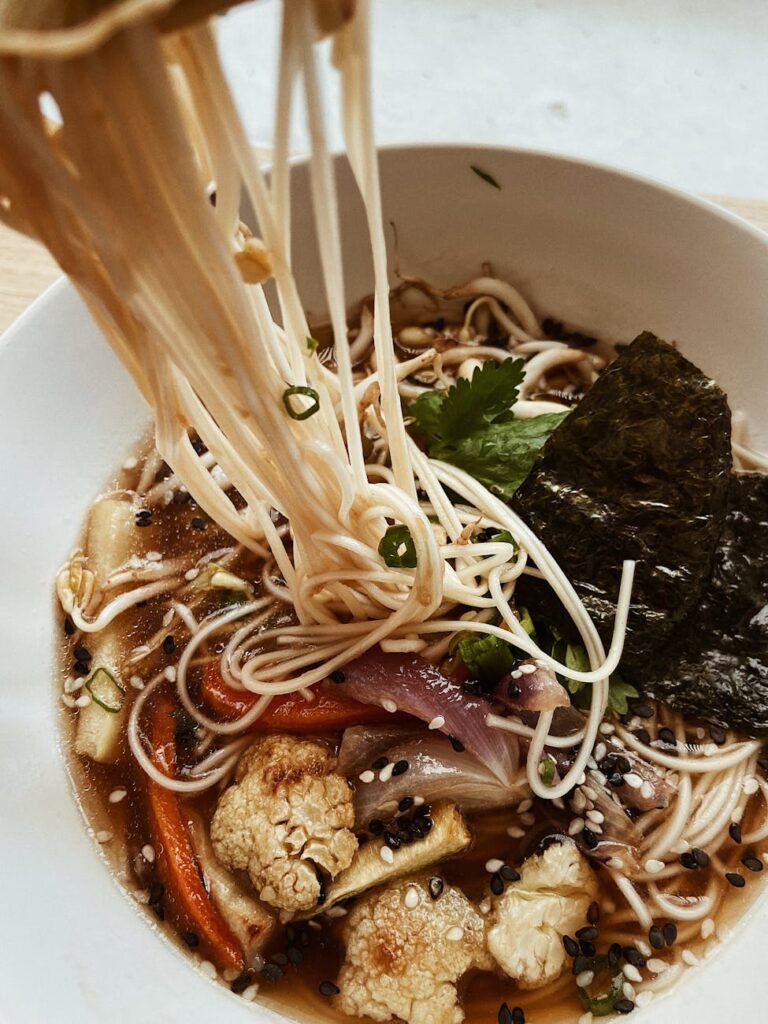
In Japanese cuisine, nori is often shredded and added to soups, such as miso soup, or sprinkled over salads for added flavor and nutrition.
Garnishing
Nori can be used as a decorative element in various dishes, adding visual appeal and a touch of umami flavor.
Fusion Dishes
As global culinary trends evolve, nori has found its way into fusion dishes, featuring in tacos, wraps, and even as a topping for pizzas, showcasing its versatility.
Storage and Shelf Life
To maintain the quality of nori, proper storage is essential. Unopened packages of nori can last for up to a year if stored in a cool, dry place. Once opened, it is best to consume nori within a few weeks to enjoy its optimal flavor and texture.
Recommended Storage Practices
Common Misconceptions
Despite its popularity, there are several misconceptions surrounding nori that merit clarification:
1. Nori is Seaweed: While nori is indeed a type of seaweed, it is specifically a red algae, which distinguishes it from other varieties of seaweed often used in culinary applications.
2. Nori is Only for Sushi: Although nori is synonymous with sushi, its uses extend far beyond this single dish, making it a versatile ingredient in various cuisines.
3. Quality Doesn’t Matter: The quality of nori significantly impacts its flavor and texture. Higher-grade nori will enhance dishes more effectively than lower-grade varieties.
4. Nori is Unhealthy: On the contrary, nori is low in calories and packed with nutrients, including vitamins and minerals, making it a healthy addition to meals.
Frequently Asked Questions
1. Is nori gluten-free?
Yes, nori is naturally gluten-free, making it suitable for individuals with gluten sensitivities or celiac disease.
2. Can nori be eaten raw?
Yes, nori is often consumed raw, particularly in sushi, where it wraps around rice and other ingredients.
3. How do I know if nori is fresh?
Fresh nori should have a vibrant green color and a pleasant, slightly briny aroma. If it appears dull or has an off-putting smell, it may be past its prime.
4. Can I use nori in cooking?
Absolutely! Nori can be used in various dishes, including soups, salads, and snacks, enhancing their flavor and nutritional value.
5. What is the best way to store nori?
To maintain freshness, store nori in a cool, dry place in an airtight container. After opening, consume it within a few weeks for optimal taste.
6. Is all nori the same?
No, nori varies in quality and type. Higher-grade nori is typically used for sushi, while lower-grade nori may be used in cooking or snacks. Always check the grading system when purchasing.
—
Nori is a multifaceted ingredient with a rich history and numerous culinary applications. Understanding its origins, production, and best practices for use and storage can help elevate dishes and expand culinary horizons. As the world continues to embrace diverse cuisines, nori remains a beloved staple that enriches meals with its unique flavor and texture.