
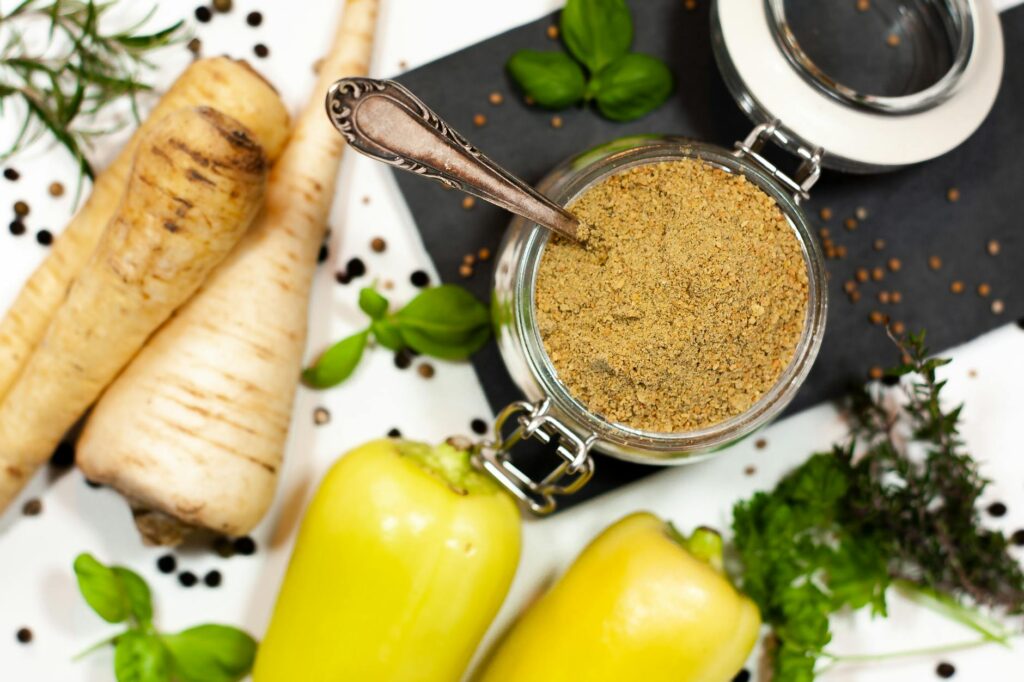
What Is Parsnip?
Introduction
Parsnip (Pastinaca sativa) is a root vegetable belonging to the Apiaceae family, which also includes other notable plants such as carrots, celery, and parsley. Often overlooked in favor of more mainstream vegetables, parsnips possess a unique flavor profile and versatility that make them worthy of culinary exploration. This article delves into the multifaceted nature of parsnips, covering their history, production, quality, and applications in various culinary contexts.
What Is Parsnip?
Parsnip is a biennial plant cultivated for its edible taproot, which is characterized by its creamy-white color, smooth skin, and a sweet, earthy flavor that intensifies with frost. This root vegetable typically grows to a length of 6 to 12 inches and can weigh up to a pound. Its taste is often described as a cross between carrots and potatoes, with a subtle hint of nuttiness. Parsnips are commonly harvested in the fall and winter months, as exposure to frost enhances their sweetness.
History and Origins
Parsnips have a storied history that dates back to antiquity. Native to Europe and parts of Asia, they were cultivated by the Romans and subsequently became a staple food in medieval Europe. Before the introduction of the potato from the Americas, parsnips served as a primary carbohydrate source for many populations. The vegetable was also valued for its medicinal properties, believed to aid in digestion and promote overall health. As culinary preferences evolved and the potato gained popularity, parsnips fell out of favor in many regions but have recently enjoyed a resurgence due to their unique flavor and nutritional benefits.
Production and Processing
Cultivation
Parsnips thrive in cool climates and are typically sown in early spring. They require well-drained, fertile soil enriched with organic matter to facilitate optimal growth. The seeds take approximately two to three weeks to germinate, and the plants are usually ready for harvest about four to five months after planting. Farmers often utilize frost to their advantage, as it converts starches in the root to sugars, enhancing the sweetness of the parsnips.
Harvesting
Harvesting parsnips is a delicate process. Farmers use specialized equipment to uproot the vegetables without damaging them, as the roots can be quite brittle. It is crucial to harvest parsnips before the ground freezes, although many farmers leave them in the ground during winter to take advantage of frost-induced sweetness.
Processing
Once harvested, parsnips are cleaned to remove soil and debris. They are typically sold fresh, but can also be found in frozen or processed forms. While fresh parsnips are favored for their flavor and texture, frozen varieties can provide convenience and a longer shelf life.
Quality and Grading
Quality parsnips exhibit a firm texture, smooth skin, and an absence of blemishes or soft spots. The ideal size for parsnips is between 6 to 10 inches long, as larger specimens can become woody and fibrous. In commercial markets, grading can vary, but generally, parsnips are categorized based on size, appearance, and overall freshness.
Buying Considerations
When purchasing parsnips, several factors should be taken into account:
- Freshness: Look for parsnips that are firm to the touch, with smooth, unblemished skin. Avoid those that appear shriveled or soft.
- Size: Smaller to medium-sized parsnips are often sweeter and more tender than larger ones.
- Seasonality: While parsnips can be found year-round, they are at their peak from late fall to early spring, making this the best time to purchase them for optimal flavor.
- Organic vs. Conventional: Consider whether you prefer organic parsnips, which are grown without synthetic pesticides and fertilizers.
- Roasting: Roasted parsnips develop a caramelized exterior and a tender interior, enhancing their natural sweetness.
- Mashing: Similar to potatoes, parsnips can be mashed and served as a side dish, often combined with other root vegetables for added flavor.
- Soups and Stews: Parsnips add depth to soups and stews, providing a rich, earthy flavor that complements other ingredients.
- Purees: They can be pureed for a smooth, velvety texture that works well as a base for sauces or a side dish.
- Salads: Shredded raw parsnips can add a crunchy texture to salads, offering a fresh alternative to traditional salad ingredients.
- Flavor Similarity: While parsnips and carrots share a similar appearance, their flavors are distinct. Parsnips are sweeter and more complex than carrots, especially when cooked or roasted.
- Dietary Restrictions: Some people mistakenly believe that parsnips are high in carbohydrates, similar to potatoes. Though they contain carbohydrates, parsnips also provide beneficial fiber and nutrients, making them a healthy choice.
- Preparatory Necessities: Unlike some
Uses and Applications
Parsnips are a versatile ingredient in the kitchen, suitable for a variety of culinary applications:
Parsnips are also an excellent source of vitamins and minerals, including vitamin C, vitamin K, and dietary fiber, making them a nutritious addition to various dishes.
Storage and Shelf Life
To maximize the shelf life of parsnips, store them in a cool, dark place. The ideal storage temperature is around 32°F (0°C) with high humidity. When stored properly, fresh parsnips can last for several weeks.
For longer storage, parsnips can be blanched and frozen, which preserves their flavor and texture. However, frozen parsnips may be best suited for cooked dishes, as their texture can change during freezing.
Common Misconceptions
Parsnips are often misunderstood due to their resemblance to carrots. Here are some common misconceptions: