
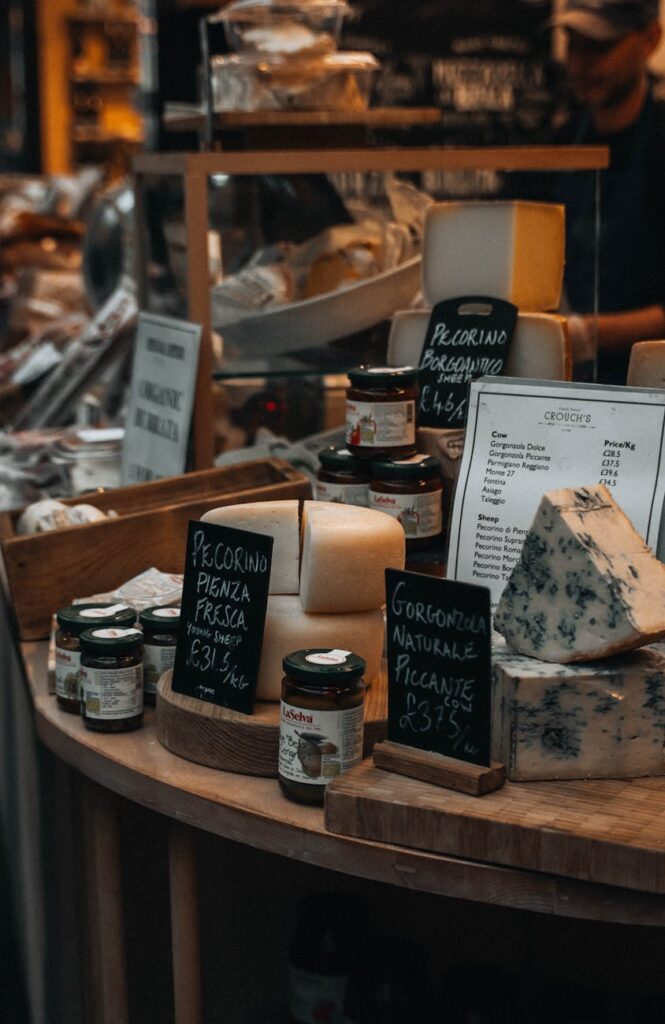
What Is Pecorino Cheese?
Introduction
Pecorino cheese is a revered staple in Italian cuisine, celebrated for its distinct flavor and versatility. Made from sheep’s milk, this cheese carries a rich history and a wide range of applications in cooking and beyond. Its unique characteristics and regional varieties make it a fascinating subject for both culinary enthusiasts and casual consumers alike. This article delves into the essence of Pecorino cheese, exploring its origins, production methods, grading systems, and much more.
What Is Pecorino Cheese?
Pecorino cheese refers to a family of hard, salty cheeses made from ewe’s milk (pecora means “sheep” in Italian). The term “Pecorino” encompasses several varieties, each with distinct flavors, textures, and aging processes. Among these, Pecorino Romano is the most famous, often used as a grating cheese. Pecorino cheeses are known for their robust flavors, which can range from mild and creamy to sharp and nutty, depending on their age and the specific type of Pecorino.
History and Origins
The history of Pecorino cheese dates back thousands of years, with evidence suggesting its production in ancient Rome. Sheep farming was prevalent in Italy, particularly in the regions of Lazio and Sardinia, where the pastoral landscape provided ideal conditions for raising sheep. The Romans valued Pecorino not only for its taste but also for its portability and long shelf life, making it a staple for soldiers and travelers.
Over the centuries, Pecorino cheese evolved, influenced by regional practices and local climates. This led to the development of various styles and varieties across Italy, each with its own unique characteristics. In 2016, Pecorino Romano was granted Protected Designation of Origin (PDO) status by the European Union, ensuring that only cheese produced in specific regions under strict guidelines can be labeled as such.
Production and Processing
The production of Pecorino cheese involves several key steps, from milking the sheep to aging the final product. The process begins with the collection of fresh ewe’s milk, typically from breeds such as the Sarda or Comisana. The milk is then heated and combined with rennet, an enzyme that curdles the milk.
Once the curds form, they are cut into small pieces to facilitate whey drainage. The curds are then cooked at a controlled temperature, allowing them to expel more whey. After further draining, the curds are pressed into molds and left to rest. The cheese is then salted, which not only enhances its flavor but also acts as a preservative.
Aging, or affinage, is a crucial stage in the production of Pecorino. Depending on the desired flavor profile, the cheese can be aged for a few months to over a year. During this time, the cheese develops a hard rind and a firm, crumbly texture. The longer the cheese is aged, the sharper and more complex its flavor becomes.
Quality and Grading
The quality of Pecorino cheese is assessed based on several factors, including taste, texture, and appearance. The grading system for Pecorino varies by region, but common indicators include the age of the cheese, the type of milk used, and the production methods employed.
Pecorino cheeses are typically classified into three main categories based on their aging:
1. Pecorino Fresco: Aged for about 5 to 20 days, this variant is soft, mild, and creamy.
2. Pecorino Semi-Stagionato: Aged for 2 to 5 months, it offers a firmer texture and a more pronounced flavor.
3. Pecorino Stagionato: Aged for 5 to 12 months or more, this cheese is hard, sharp, and complex, often with a crumbly texture.
To ensure quality, many producers adhere to strict regulations and participate in certification programs. In addition to PDO status, there are other quality designations, such as Denominazione di Origine Controllata (DOC), which further guarantee the authenticity and quality of the cheese.
Buying Considerations
When purchasing Pecorino cheese, several factors should be taken into account to ensure you select a high-quality product:
- Type: Determine which variety of Pecorino suits your needs best. Pecorino Romano is ideal for grating, while Pecorino Toscano is often enjoyed on its own or paired with wines.
- Age: Consider the aging of the cheese. Younger cheeses will be milder and creamier, while aged varieties will be sharper and more intense.
- Source: Opt for cheeses that are produced in Italy, particularly those bearing PDO labels. This ensures authenticity and adherence to traditional production methods.
- Texture and Appearance: Look for a firm, dry texture with a clean, unblemished rind. The color should range from pale to golden yellow, depending on the aging process.
- Tasting Notes: If possible, sample the cheese before purchasing. A high-quality Pecorino will have a rich, complex flavor profile, with a balance of saltiness and nuttiness.
- Refrigeration: Store Pecorino in the refrigerator, wrapped in wax paper or parchment. Avoid plastic wrap, as it can trap moisture and alter the cheese’s texture.
- Temperature: Keep the cheese at a consistent temperature, ideally between 34°F and 40°F (1°C to 4°C).
- Shelf Life: An unopened wedge of Pecorino can last several months in the refrigerator, while opened cheese should be consumed within a few weeks for optimal flavor and freshness.
Uses and Applications
Pecorino cheese is incredibly versatile and can be used in a myriad of culinary applications. Its robust flavor enhances a variety of dishes, making it a favorite among chefs and home cooks alike.
1. Grating: Pecorino Romano is widely used as a grating cheese, often sprinkled over pasta dishes, soups, and salads.
2. Cheese Boards: Aged Pecorino varieties are excellent choices for cheese platters, paired with fruits, nuts, and honey.
3. Cooking: Pecorino can be melted into sauces or used in risottos for added depth of flavor.
4. Snacking: Young Pecorino cheeses can be enjoyed on their own, accompanied by bread or crackers.
5. Pairing: This cheese pairs wonderfully with a variety of wines, particularly robust reds and sweet dessert wines.
Storage and Shelf Life
Proper storage is essential to maintain the quality and flavor of Pecorino cheese. Here are some guidelines to follow:
For long-term storage, Pecorino can be frozen, although this may alter its texture. If freezing, wrap it tightly in plastic wrap and then place it in an airtight container or freezer bag.
Common Misconceptions
Despite its popularity, several misconceptions about Pecorino cheese persist:
1. Only One Type: Many people assume that Pecorino refers to a single cheese. In reality, it encompasses various regional varieties, each with unique characteristics.
2. Similar to Parmesan: While both Pecorino and Parmesan are hard cheeses, they have different flavor profiles and textures. Pecorino tends to be saltier and more robust, while Parmesan is typically nuttier and sweeter.
3. Pecorino Is Always Aged: Some believe that all Pecorino is aged, but fresh varieties exist that are soft and creamy, providing a milder taste.
4. Pecorino Is Only for Grating: While Pecorino Romano is popular for grating, many varieties can be enjoyed on their own or in a wide range of dishes.
5. All Pecorino Cheeses Are Made the Same Way: Production methods can vary significantly, with different regions employing unique techniques that result in diverse flavors and textures.
Frequently Asked Questions
1. What is the difference between Pecorino and Parmesan?
Pecorino is made from sheep’s milk, while Parmesan (Parmesan Reggiano) is made from cow’s milk. This fundamental difference leads to distinct flavors and textures, with Pecorino often being saltier and sharper.
2. Can Pecorino cheese be used in cooking?
Yes, Pecorino is highly versatile and can be used in various culinary applications, including sauces, risottos, and as a finishing touch on pasta dishes.
3. How should I store Pecorino cheese?
Store Pecorino in the refrigerator, wrapped in wax paper or parchment, and avoid plastic wrap to maintain its texture and flavor. Consume opened cheese within a few weeks for best results.
4. Is Pecorino cheese vegetarian-friendly?
Most traditional Pecorino cheeses are not vegetarian-friendly as they contain animal rennet. However, some producers offer vegetarian-friendly versions made with microbial rennet.
5. What is the best way to enjoy Pecorino cheese?
Pecorino can be enjoyed on its own, paired with fruits and nuts, or grated over pasta dishes. Experimenting with various pairings and applications can enhance your culinary experience.
6. How can I tell if Pecorino cheese has gone bad?
Signs of spoilage include an off smell, mold (beyond the natural rind), and an overly soft or slimy texture. If you notice these signs, it’s best to discard the cheese.
In conclusion, Pecorino cheese is an iconic ingredient that embodies the rich culinary traditions of Italy. Its unique characteristics, diverse varieties, and extensive applications make it a beloved choice for both culinary professionals and home cooks alike. Understanding its history, production, and proper usage can enhance your appreciation for this remarkable cheese and elevate your culinary creations.