
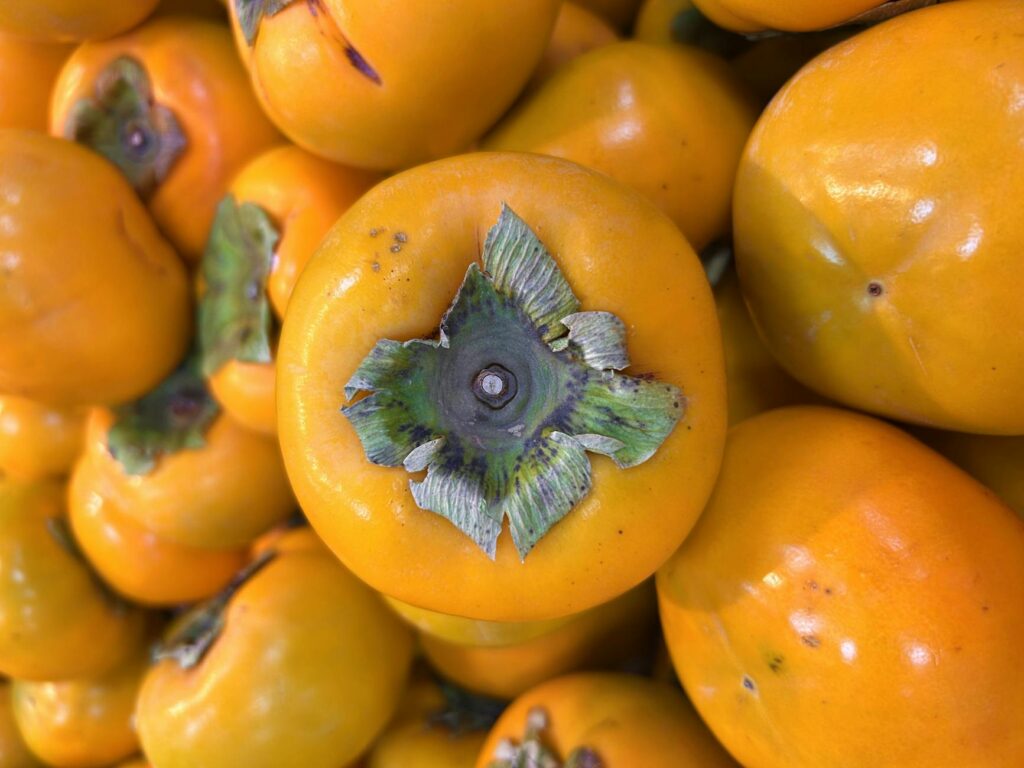
What Is Persimmons?
Introduction
Persimmons are a unique and delightful fruit that have garnered attention for their distinct flavor and versatility in culinary applications. With their vibrant color and sweet, honey-like taste, persimmons are enjoyed fresh, dried, and even incorporated into various dishes. This article delves into the intricacies of persimmons, exploring their history, production, uses, and much more.
What Is About?
Persimmons belong to the genus Diospyros, which includes over 700 species, but the two most commonly consumed varieties are the Asian persimmon (Diospyros kaki) and the American persimmon (Diospyros virginiana). The fruit is characterized by its bright orange to yellow skin and a smooth, custard-like flesh that becomes increasingly sweet as it ripens. Persimmons can be classified into two main types: astringent and non-astringent. Astringent persimmons must be fully ripe to be palatable, as they contain high levels of tannins that can cause an unpleasant, dry mouthfeel when unripe. Non-astringent varieties can be eaten while still firm.
History and Origins
The history of persimmons dates back thousands of years. Indigenous to East Asia, the Asian persimmon has been cultivated in China since at least 2000 B.C. It later spread to Japan and Korea, becoming a staple fruit in these regions. The American persimmon, meanwhile, is native to the eastern United States and has been consumed by Native Americans long before European settlers arrived. The fruit was often dried or used in various recipes, showcasing its adaptability and importance in local diets.
In the 19th century, the Asian persimmon was introduced to the United States, where it gained popularity among farmers and fruit enthusiasts. Today, both types of persimmons are cultivated worldwide, with major production in countries such as South Korea, Japan, China, and the United States.
Production and Processing
Persimmons thrive in temperate climates, requiring well-drained soil and sufficient sunlight. The cultivation process begins with planting seedlings or grafted trees, which typically take three to five years to bear fruit. Harvesting usually occurs in late fall when the fruit is fully ripe.
Post-harvest, persimmons undergo various processing methods depending on their intended use. Fresh persimmons are often washed, sorted, and packed for distribution. For dried persimmons, the fruit is peeled, sliced, and subjected to dehydration, a method that enhances their sweetness and shelf life. Dried persimmons are a popular snack and ingredient in many Asian dishes.
Quality and Grading
The quality of persimmons is assessed based on several factors, including size, color, firmness, and the absence of blemishes or bruises. Astringent persimmons should be fully ripe and soft, while non-astringent varieties can be firm yet still appealing. The grading system varies by region, but generally, persimmons are categorized into different grades, with Grade A representing the highest quality, showcasing optimal characteristics and minimal defects.
Buying Considerations
When purchasing persimmons, several factors should be taken into account:
1. Type: Determine whether you prefer astringent or non-astringent varieties. Astringent persimmons, such as ‘Hachiya,’ are best enjoyed when soft, while non-astringent types, such as ‘Fuyu,’ can be eaten while still firm.
2. Ripeness: For astringent varieties, ensure that the fruit is fully ripe and soft to the touch. Non-astringent varieties should have a bright color and a slight give when squeezed.
3. Appearance: Look for smooth, unblemished skin. Avoid fruits with excessive bruising, wrinkles, or dark spots, as these may indicate overripeness or spoilage.
4. Source: Opt for locally sourced persimmons when possible, as they are likely to be fresher and more flavorful. Consider purchasing from farmers’ markets or reputable grocery stores.
Uses and Applications
Persimmons are a versatile ingredient in various culinary applications. Fresh persimmons can be sliced and added to salads, served with cheese, or enjoyed as a snack. They also lend themselves well to desserts, providing a sweet contrast in tarts, cakes, and puddings.
Dried persimmons are commonly used in Asian cuisine, either as a snack or as an ingredient in savory dishes. Their concentrated sweetness enhances the flavor profile of stir-fries, stews, and rice dishes. Persimmon puree can be used as a natural sweetener in smoothies or as a base for sauces.
In addition to their culinary uses, persimmons are often employed in traditional medicine in various cultures, particularly in East Asia, where they are believed to have health benefits, although these claims are not universally supported by scientific evidence.
Storage and Shelf Life
Proper storage of persimmons is crucial to maintaining their quality and extending their shelf life. Fresh persimmons can be stored at room temperature until ripened; once soft, they should be refrigerated to slow down further ripening. Astringent varieties can last up to a week in the refrigerator, while non-astringent varieties may last longer if kept firm.
Dried persimmons, on the other hand, should be stored in an airtight container in a cool, dark place. When stored properly, they can last for several months and even longer if refrigerated or frozen.
Common Misconceptions
Despite their popularity, persimmons are often surrounded by misconceptions. One common myth is that all persimmons are astringent. While it is true that the astringent varieties require full ripeness to be enjoyable, the non-astringent varieties can be consumed while still firm. Another misconception is that persimmons should always be eaten fresh. In reality, dried persimmons offer an entirely different flavor profile and texture, making them a valuable addition