
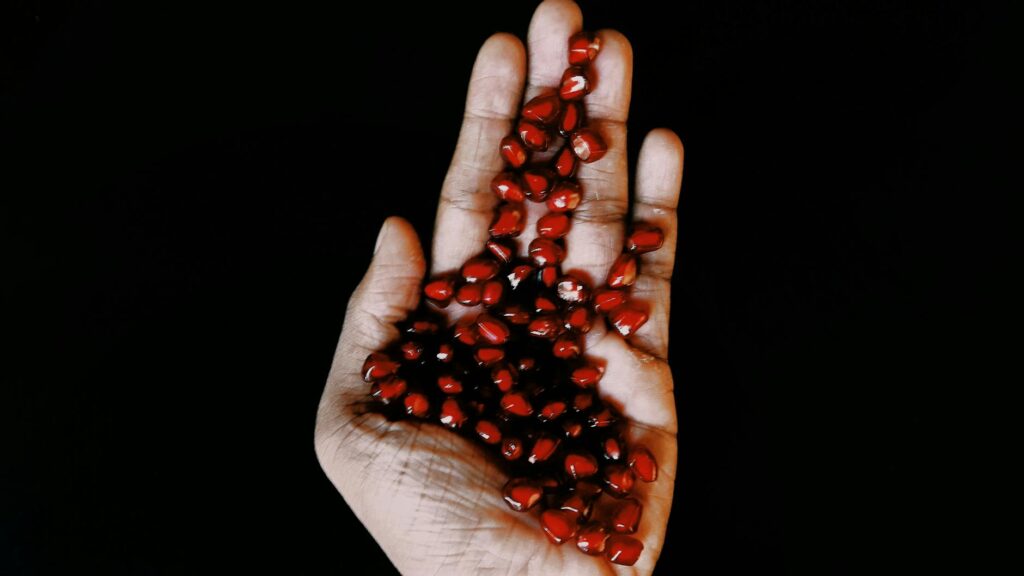
What Are Pomegranate Seeds?
Introduction
Pomegranate seeds, the jewel-like arils of the pomegranate fruit (Punica granatum), have captured the attention of culinary enthusiasts and health aficionados alike. Renowned for their vibrant red color and tantalizing burst of sweet-tart flavor, these seeds are not only visually striking but also packed with nutrients. This article delves into the intricate world of pomegranate seeds, exploring their history, production, applications, and much more.
What Is About?
Pomegranate seeds are the edible seeds found within the pomegranate fruit, encased in a juicy, translucent sac known as the aril. Each fruit typically contains hundreds of these seeds, which are surrounded by a sweet, tangy juice. The seeds are not only a culinary delight but also a symbol of fertility and prosperity in various cultures. Their unique taste and texture make them versatile for use in a variety of dishes, from salads to desserts.
History and Origins
The pomegranate has a rich history that dates back thousands of years. Believed to be one of the earliest cultivated fruits, its origins can be traced to the region encompassing modern-day Iran and surrounding areas. Historical texts suggest that pomegranates were cultivated as far back as 3000 BCE, finding their way into ancient Egyptian culture as a symbol of life and fertility.
Pomegranates spread across the Mediterranean due to trade and conquests, becoming integrated into various cultures and cuisines. In Greek mythology, the fruit is associated with Persephone and the cycle of life and death. The seeds themselves have been used in religious rituals, art, and literature, solidifying their cultural significance.
Production and Processing
The cultivation of pomegranates requires a warm, temperate climate, thriving in regions with long summers and minimal frost. Major producers include countries like Iran, India, the United States (especially California), and Turkey. The fruit typically ripens in late summer to early autumn, and harvesting involves careful hand-picking to avoid damage to the delicate arils.
Once harvested, pomegranates undergo minimal processing. They can be eaten fresh, juiced, or processed into various products such as pomegranate molasses, a popular ingredient in Middle Eastern cuisine. The extraction of seeds from the fruit can be done manually or through mechanical means, with care taken to preserve the integrity of the arils and their juice.
Quality and Grading
Quality assessment of pomegranate seeds is crucial for both culinary and commercial purposes. Fresh pomegranate seeds should be vibrant in color, plump, and juicy. Factors influencing quality include:
1. Size and Appearance: Uniformity in size and a shiny exterior indicate good quality.
2. Juiciness: High water content in the arils is a sign of freshness.
3. Taste: A balance of sweetness and tartness is desirable.
In commercial settings, grading often occurs based on these characteristics, with premium varieties being sold at higher prices. Quality control measures during harvesting and processing ensure that only the best seeds reach consumers.
Buying Considerations
When purchasing pomegranate seeds, there are several factors to consider:
1. Freshness: Look for seeds that are plump and intact. If buying whole pomegranates, choose those that feel heavy for their size and have a firm skin.
2. Packaging: If buying pre-packaged seeds, check the expiration date and ensure the packaging is sealed properly to maintain freshness.
3. Organic vs. Conventional: Organic pomegranates are grown without synthetic pesticides and fertilizers, which may be a consideration for health-conscious consumers.
4. Seasonality: Pomegranates are typically in season from September to February, so purchasing during this time may yield better quality.
Uses and Applications
Pomegranate seeds are incredibly versatile in culinary applications. Their vibrant color and unique flavor profile can enhance both sweet and savory dishes. Common uses include:
- Salads: Adding pomegranate seeds to salads provides a burst of flavor and color, elevating the dish.
- Garnishes: The seeds can serve as eye-catching garnishes for various entrees and desserts.
- Juicing: Pomegranate juice is a popular beverage, known for its refreshing taste and health benefits.
- Sauces and Dressings: The seeds can be incorporated into sauces, marinades, and dressings, imparting a unique flavor.
- Culinary Decor: Pomegranate seeds are often used as decorative elements in upscale plating, adding visual appeal to dishes.
- Whole Pomegranates: Store in a cool, dry place for up to a month. Once cut, pomegranates should be refrigerated.
- Fresh Seeds: Store in an airtight container in the refrigerator, where they can last for about 5–7 days. For longer storage, consider freezing the seeds, which can extend their shelf life up to a year.
- Juice: Pomegranate juice should be refrigerated and consumed within a week if opened. Unopened juice can last for months, depending on the packaging and preservatives used.
Beyond culinary applications, pomegranate seeds are also used in the beverage industry, particularly in the production of juices and smoothies, as well as in the cosmetic industry for their antioxidant properties.
Storage and Shelf Life
Proper storage is essential for maintaining the freshness and quality of pomegranate seeds. Here are some tips:
Common Misconceptions
Despite their popularity, several misconceptions about pomegranate seeds persist:
1. All Seeds Are Edible: While the arils surrounding the seeds are edible, the hard inner seed is often considered unpalatable. Many people prefer to eat only the juicy arils.
2. Pomegranate is Only a Health Food: While pomegranates are indeed nutrient-dense, their culinary versatility allows them to be enjoyed in various dishes, not just as a health food.
3.