
What Is Rhubarb?
Introduction
Rhubarb, often heralded as a quintessential spring vegetable, presents a unique culinary experience characterized by its tart flavor and vibrant color. While frequently mistaken for a fruit due to its culinary applications, rhubarb is botanically classified as a vegetable. Its versatility allows it to be utilized in a variety of dishes, from pies to sauces, making it a beloved ingredient in both home kitchens and professional kitchens around the world. This article embarks on an exploration of the multifaceted nature of rhubarb, delving into its history, production, culinary uses, and more.
What Is Rhubarb?
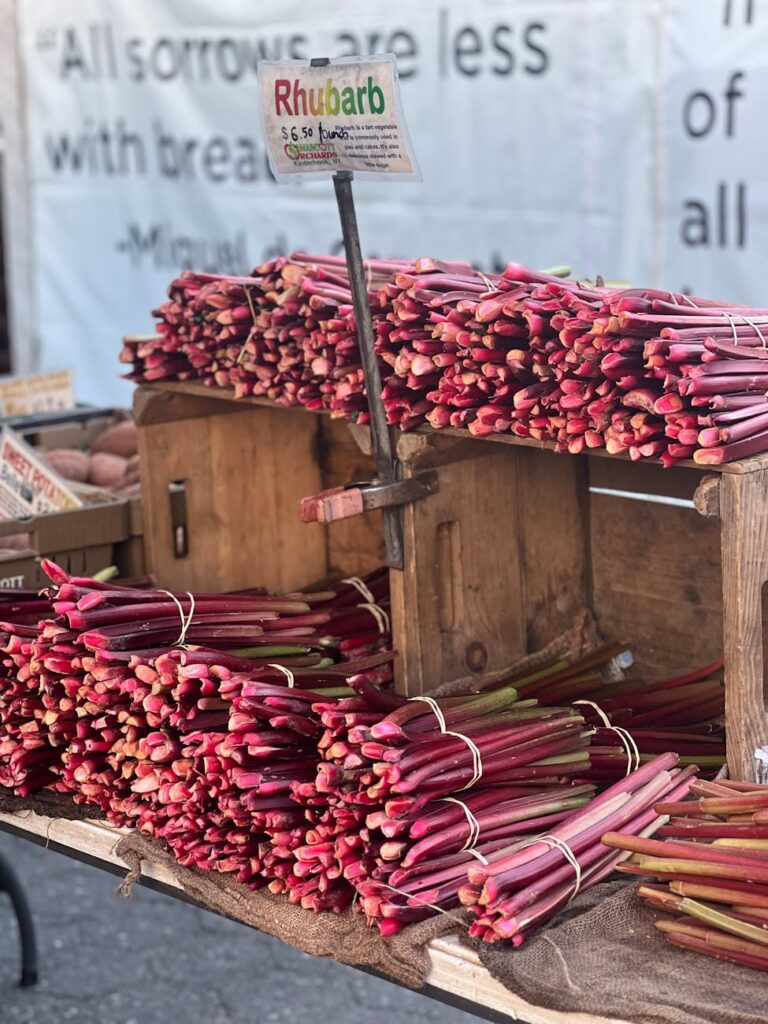
Rhubarb (Rheum rhabarbarum) is a perennial plant belonging to the Polygonaceae family. Known for its thick, fleshy stalks that range in color from green to deep red, it is the stalks that are primarily harvested and consumed. The leaves of rhubarb, however, are toxic and should never be eaten. Rhubarb is typically available from early spring through early summer, with its peak season occurring in May and June.
History and Origins
Rhubarb’s history is rich and varied, tracing back thousands of years to its origins in Central Asia, particularly in regions of China. The earliest recorded use of rhubarb dates back to 2700 BC, when it was cultivated primarily for medicinal purposes. Ancient Chinese herbalists valued rhubarb for its purgative properties and used it to treat a variety of ailments.
As trade routes expanded, rhubarb made its way to Europe in the Middle Ages, where it was embraced not only for its medicinal uses but also for culinary applications. It gained popularity in England during the 18th century, especially in desserts and preserves. American colonists brought rhubarb to North America, where it thrived in the cooler climates, leading to its establishment as a staple in American cooking.
Production and Processing
Rhubarb is primarily grown in temperate climates, with the United States and Canada being significant producers. Within the U.S., states such as California, Washington, and Michigan are known for rhubarb cultivation. The plant thrives in well-drained, fertile soil and requires a cold winter dormancy to ensure optimal growth.
Harvesting typically occurs in late spring when the stalks reach maturity. Growers carefully cut the stalks at the base, ensuring that the plant remains intact to allow for continued growth throughout the season. Post-harvest, rhubarb undergoes minimal processing; it is often washed, trimmed, and packaged for distribution. Due to its high water content, rhubarb is perishable and must be handled with care to maintain its quality.
Quality and Grading
The quality of rhubarb is determined by several factors, including color, texture, and freshness. The ideal rhubarb stalk should be firm, crisp, and vibrant in color, with no signs of wilting or decay. The grading standards may vary by region, but generally, rhubarb is classified into three categories: U.S. Fancy, U.S. No. 1, and U.S. No. 2.
- U.S. Fancy: This grade represents the highest quality, featuring bright color, uniform size, and a crisp texture.
- U.S. No. 1: Stalks in this category are also of good quality but may have slight imperfections such as minor blemishes.
- U.S. No. 2: This grade includes stalks that may be overripe or damaged but are still suitable for processing.
- Desserts: Rhubarb is perhaps best known for its role in desserts, particularly pies, crumbles, and tarts. Its tartness balances well with sweet flavorings such as sugar or honey.
- Preserves and Jams: The high pectin content in rhubarb makes it a popular choice for making jams and jellies, often combined with other fruits like strawberries.
- Savory Dishes: Rhubarb can also be utilized in savory applications, such as sauces for meats or as a tangy component in salads.
- Beverages: Rhubarb syrup can be crafted for use in cocktails or as a refreshing addition to sodas.
- Culinary Garnish: The vibrant color and unique texture of rhubarb stalks make them an attractive garnish for various dishes.
When purchasing rhubarb, consumers should look for stalks that are thick and heavy for their length, as this indicates freshness and quality.
Buying Considerations
When selecting fresh rhubarb, several considerations come into play:
1. Color: Choose stalks that are vibrant in color. While green rhubarb is acceptable, deep red stalks are often sweeter and more visually appealing.
2. Texture: Look for firm, crisp stalks without any soft spots or blemishes. Avoid wilted or overly dried stalks.
3. Provenance: If possible, opt for locally grown rhubarb. Seasonal, local produce often delivers superior flavor and freshness.
4. Storage: Consider your storage options. Fresh rhubarb should be refrigerated and used within a week for optimal quality.
5. Organic vs. Conventional: Organic rhubarb is available and may be preferable for those looking to avoid pesticide residues.
6. Seasonality: Be mindful of the season. Fresh rhubarb is typically available from April through June, making it a seasonal treat.
Uses and Applications
Rhubarb is renowned for its culinary versatility. Its acidic profile makes it an ideal ingredient for both sweet and savory dishes. Common applications include:
In contemporary cuisine, chefs are increasingly experimenting with rhubarb, incorporating it into unexpected formats such as pickling or blending into smoothies for added tartness.