
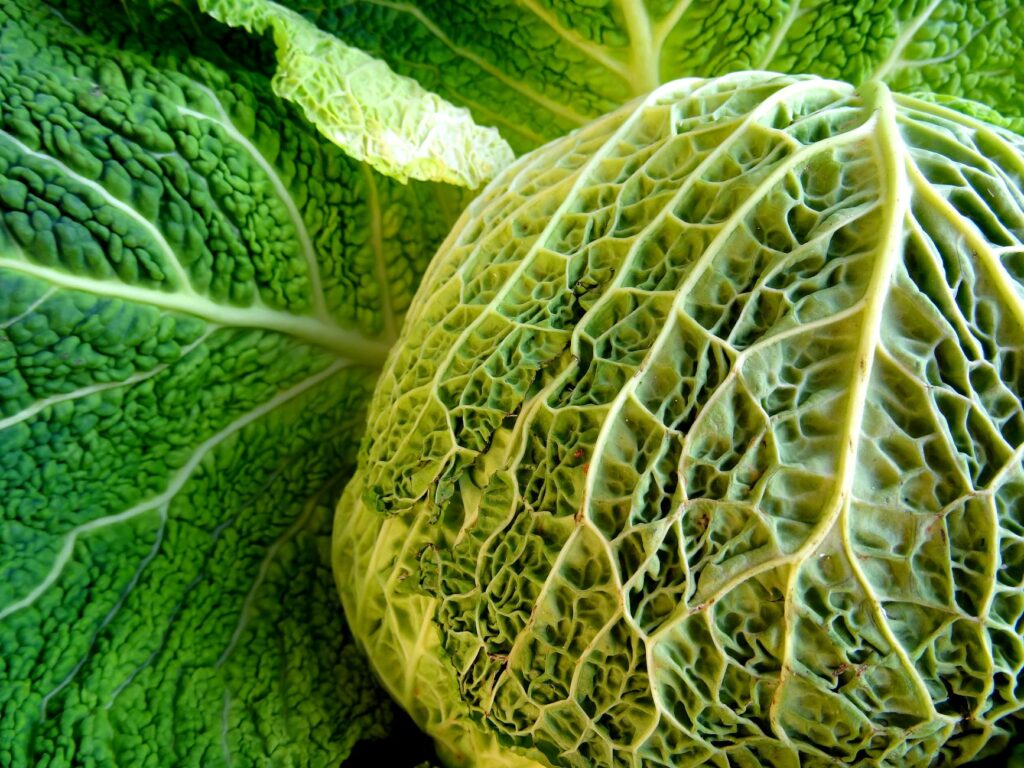
What Is Savoy Cabbage?
Introduction
Savoy cabbage, with its crinkly leaves and vibrant green color, is a distinctive member of the Brassica oleracea species, which also includes other popular varieties such as green cabbage, red cabbage, and kale. Distinguished by its unique texture and slightly sweet flavor, this leafy vegetable has gained popularity in various culinary traditions around the world. This article delves into the characteristics, history, production, and culinary applications of Savoy cabbage, providing a comprehensive overview of this versatile ingredient.
What Is About?
Savoy cabbage is characterized by its loose, crinkled leaves, which give it a unique appearance compared to its more common counterparts. The leaves are typically a rich green color, with a tender texture that sets it apart from standard green cabbage. The flavor of Savoy cabbage is milder and slightly sweeter, making it an appealing choice for a variety of dishes. It is often used in salads, stir-fries, and as a wrapping for fillings due to its pliability.
Savoy cabbage is not only prized for its culinary versatility but also for its nutritional benefits. It is low in calories while being rich in vitamins A, C, and K, along with minerals such as calcium and potassium. Its unique texture allows it to retain moisture when cooked, making it a delightful addition to various dishes.
History and Origins
The history of Savoy cabbage can be traced back to Europe, where it is believed to have originated in the region of Savoy, located in the Alps of France and Italy. The cultivation of Savoy cabbage dates back to the 16th century, with records indicating its use among early European farmers. Its unique characteristics were appreciated for both culinary and ornamental purposes, as the cabbage’s attractive leaves made it a popular choice in gardens.
Over time, Savoy cabbage has spread to various parts of the world, becoming a staple ingredient in many cuisines. Its adaptability to different climates and its ability to thrive in cooler temperatures have contributed to its popularity in regions with temperate climates, such as Northern Europe and North America. Today, it is cultivated globally, with significant production occurring in countries such as the United States, Canada, and various European nations.
Production and Processing
Savoy cabbage is typically grown in cooler climates, where it thrives in well-drained, fertile soils. It is usually sown directly into the ground or started as seedlings in greenhouses before being transplanted. The growing season for Savoy cabbage is generally between 70 to 90 days, depending on the variety and climate conditions. Farmers often use crop rotation and companion planting techniques to enhance growth and deter pests.
Harvesting Savoy cabbage occurs when the heads are firm and fully developed. Hand harvesting is common to ensure the integrity of the leaves is maintained. After harvesting, the cabbages are often washed, trimmed, and packed for distribution. Quality control is essential during processing, as bruised or damaged leaves can significantly affect the marketability of the product.
Quality and Grading
The quality of Savoy cabbage is assessed based on several factors, including appearance, texture, and freshness. High-quality Savoy cabbage should have vibrant, crisp leaves that are free from blemishes or discoloration. The head should be firm, indicating that it is mature and ready for consumption. Grading standards can vary by region, but generally, the best grades are assigned to cabbages that exhibit uniform size and shape.
In commercial markets, Savoy cabbage is often classified into different grades, with Grade A being the highest quality. Factors such as leaf texture and the absence of pests or diseases play a crucial role in determining the grade. Additionally, the presence of a well-formed head with a dense structure is essential for achieving high-quality standards.
Buying Considerations
When purchasing Savoy cabbage, several considerations can enhance the quality of your selection. Look for heads that are heavy for their size, as this indicates higher water content and freshness. The leaves should be tightly packed and free from any signs of wilting or browning. Avoid cabbages with split heads or soft patches, as these may be indicative of over-ripeness or poor handling.
Seasonality is another important factor to consider. Savoy cabbage is typically at its best during the cooler months of the year, particularly from late fall to early spring. During this time, it is more likely to be harvested at peak freshness and flavor.
For those interested in organic produce, seeking out certified organic Savoy cabbage can ensure that the vegetable has been grown without synthetic pesticides or fertilizers. Furthermore, purchasing from local farmers’ markets can provide fresher options while supporting local agriculture.
Uses and Applications
Savoy cabbage’s versatility allows it to be used in a wide array of culinary applications. Its tender leaves make it an excellent choice for salads, where it can add both texture and flavor. Raw Savoy cabbage can be shredded and mixed with other vegetables for a colorful slaw or used as a base for salads.
In cooked dishes, Savoy cabbage can be sautéed, steamed, or braised, retaining its vibrant color and nutritional value. Its ability to absorb flavors makes it a popular choice for stir-fries and soups. Additionally, the leaves can be used as a wrapper for fillings, similar to how grape leaves are utilized in various cuisines.
Savoy cabbage pairs well with a variety of ingredients, including meats, fish, grains, and other vegetables. Its slightly sweet flavor complements savory dishes, while its crunchy texture adds interest to soft or creamy components. The cabbage can also be pickled, offering a tangy alternative for those who enjoy fermented foods.
Storage and Shelf Life
To maximize the freshness of Savoy cabbage, proper storage is essential. Ideally, whole heads of cabbage should be kept in a cool, dark place, such as the crisper drawer of a refrigerator. When stored correctly, Savoy cabbage can last for up to two weeks