
What Is Sea Bass?
Introduction
Sea bass is a versatile and sought-after fish, celebrated not only for its delicate flavor and firm texture but also for its culinary adaptability. Found in various waters around the globe, sea bass encompasses several species that hold significant cultural and economic importance. This article aims to provide an in-depth understanding of sea bass, covering its history, production, quality grading, and various applications in culinary practices.
What Is Sea Bass?
Sea bass refers to a range of fish species belonging to the family Moronidae and includes both freshwater and marine varieties. The most commonly recognized types are the European sea bass (Dicentrarchus labrax) and the Chilean sea bass (Dissostichus eleginoides), often marketed under the name “Patagonian toothfish.” These fish are characterized by their elongated bodies, large mouths, and silvery scales, making them visually appealing as well as delicious.
Sea bass can be found in diverse habitats, from coastal waters to deeper oceanic zones, where they often inhabit rocky substrates and reefs. Their diet typically consists of smaller fish, crustaceans, and other marine organisms, reflecting their position as opportunistic predators within their ecosystems.
History and Origins
Historically, sea bass has been a staple in various culinary traditions. The European sea bass has been fished in the Mediterranean and North Atlantic for centuries, gaining prominence in ancient Greek and Roman cuisines. The fish was often associated with wealth and status, frequently featured in lavish banquets.
In contrast, the Chilean sea bass, although not discovered until the late 20th century, quickly gained popularity in high-end restaurants around the world due to its rich, buttery flavor and flaky texture. Overfishing and market demand have, however, led to significant concerns regarding the sustainability of Chilean sea bass fisheries, prompting the establishment of stricter fishing regulations and certifications.
Production and Processing
Sea bass is caught through various methods, including commercial fishing, aquaculture, and artisanal fishing practices. The choice of fishing method significantly impacts the sustainability and quality of the fish. Wild-caught sea bass is often considered superior in flavor due to its natural diet and habitat, but it is essential to ensure that these fish are sourced from well-managed fisheries.
Aquaculture has become increasingly popular, particularly for European sea bass, due to its ability to meet the rising global demand while alleviating pressure on wild populations. In aquaculture, sea bass are raised in controlled environments, allowing for better management of their growth and health. However, the quality of farmed sea bass can vary depending on the feed, water quality, and farming practices employed.
Once harvested, sea bass undergoes processing, which may involve gutting, filleting, and packaging. Freshness is crucial; therefore, proper handling and transportation methods are essential to maintain the fish’s quality. Sea bass is typically sold fresh, frozen, or smoked, with each processing method imparting unique characteristics to the final product.
Quality and Grading
The quality of sea bass is determined by several factors, including freshness, texture, and appearance. Fresh sea bass should have clear, bright eyes, firm flesh that springs back when pressed, and a mild, oceanic aroma. The skin should appear shiny and metallic, free of any blemishes or discoloration.
Grading standards for sea bass may vary by region, but generally, they can be classified into categories based on size and quality. Higher grades are awarded to fish that meet strict criteria regarding size, color, and overall appearance. These higher-grade fish are often sold at premium prices in upscale markets and restaurants.
Sustainability certifications, such as those from the Marine Stewardship Council (MSC) or the Aquaculture Stewardship Council (ASC), can also influence the perceived quality of sea bass. Consumers increasingly seek out products that are responsibly sourced, making these certifications an important factor in purchasing decisions.
Buying Considerations
When purchasing sea bass, several factors should be taken into account to ensure quality and sustainability. First, it is advisable to buy from reputable suppliers who provide information regarding the fish’s origin and fishing methods. Look for labels indicating the fish is wild-caught from sustainable fisheries or responsibly farmed.
Additionally, consider the seasonality of sea bass. Depending on the region, certain times of the year may yield fresher or more abundant catches. Fresh sea bass is typically available year-round, but peak seasons may vary based on the species and local fishing regulations.
Check for signs of freshness when buying whole fish, such as bright eyes, vibrant scales, and a clean smell. For fillets, look for firm flesh and minimal browning, which can indicate age. If purchasing frozen sea bass, ensure it has been stored at a consistent temperature and is free from freezer burn.
Uses and Applications
Sea bass is a highly versatile ingredient in the culinary world, suitable for various cooking methods, including grilling, baking, poaching, and frying. Its mild flavor profile allows it to pair well with a variety of seasonings and accompaniments, ranging from herbs and citrus to rich sauces.
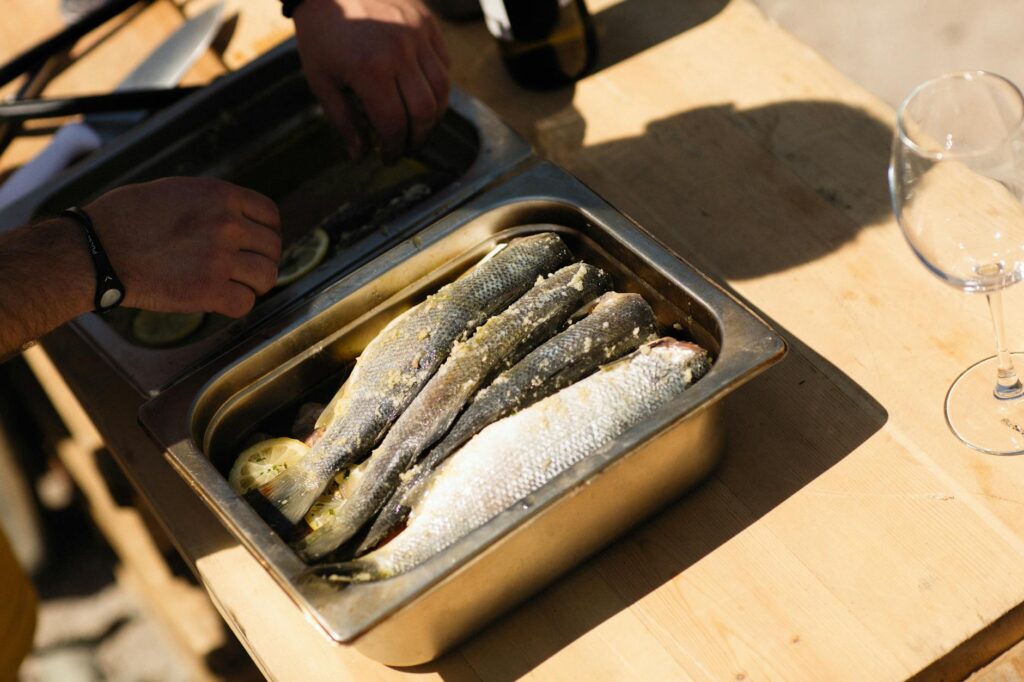
In Mediterranean cuisine, for example, sea bass is often prepared whole, simply grilled, and enhanced with olive oil, lemon, and fresh herbs. In contrast, Chilean sea bass is frequently served in high-end restaurants, where its rich flavor can be showcased in dishes featuring sophisticated sauces and accompaniments.
Sea bass can also be used in sushi and sashimi preparations, with its delicate texture lending itself well to raw applications. The fish is often featured in upscale dining settings, where its presentation and flavor can shine.
Storage and Shelf Life
Proper storage is essential for maintaining the quality and safety of sea bass. Fresh fish should be refrigerated at temperatures below 40°F (4°C) and consumed within one to two days of purchase for optimal freshness. It is advisable to store the fish on ice or in a shallow pan covered with a damp cloth to retain moisture and prevent spoilage.
If freezing, sea bass should be wrapped tightly in plastic wrap or aluminum foil and placed in an airtight container or freezer bag to prevent freezer burn. When properly stored, frozen sea bass can last for up to six months without significant loss of quality.
Thawing should be done gradually in the refrigerator to maintain texture and flavor integrity. Rapid thawing methods, such as microwaving or submerging in hot water, can adversely affect the quality of the fish.
Common Misconceptions
Despite its popularity, several misconceptions about sea bass persist. One common belief is that all sea bass species are interchangeable in recipes. While many species share similar flavor profiles, subtle differences in texture and taste can influence the overall outcome of a dish. For instance, Chilean sea bass is richer and more buttery compared to the milder European sea bass.
Another misconception is that farmed sea bass is inferior to wild-caught varieties. While wild-caught fish may have distinct flavor characteristics, advancements in aquaculture practices have led to the production of high-quality farmed sea bass that can rival their wild counterparts.
Additionally, some consumers may assume that all sea bass is sustainably sourced. It is crucial for consumers to research and verify the sustainability of their seafood choices, as overfishing and illegal fishing practices can impact the availability and health of sea bass populations.
Frequently Asked Questions
1. What is the difference between European sea bass and Chilean sea bass?
European sea bass (Dicentrarchus labrax) is commonly found in the Mediterranean and North Atlantic, while Chilean sea bass (Dissostichus eleginoides) originates from southern waters, particularly around Antarctica. The former is known for its mild flavor, while the latter is prized for its rich, buttery texture.
2. Is sea bass considered a sustainable seafood choice?
The sustainability of sea bass depends on its source. Wild-caught sea bass from well-managed fisheries can be sustainable, while some farmed varieties may also be responsibly raised. Always check for sustainability certifications when purchasing.
3. How can I tell if my sea bass is fresh?
Fresh sea bass should have bright, clear eyes, shiny skin, and firm flesh that springs back when pressed. It should also have a mild, oceanic smell without any strong fishy odors.
4. Can sea bass be eaten raw?
Yes, both European and Chilean sea bass can be eaten raw, but it is crucial to ensure that the fish is sushi-grade and handled properly to minimize the risk of foodborne illness.
5. What is the best way to cook sea bass?
Sea bass can be prepared using various cooking methods, including grilling, baking, or frying. The choice of preparation often depends on the specific species and personal preference.
6. How long can I store sea bass in the freezer?
When properly wrapped and stored, frozen sea bass can last for up to six months without significant loss of quality. It is important to thaw it slowly in the refrigerator for the best results.
In conclusion, sea bass is a culinary gem that offers both flavor and versatility. By understanding its origins, quality indicators, and sustainable sourcing, consumers can make informed choices that enhance their dining experiences while supporting responsible fishing practices.