
What Is Sea Urchin?
Introduction
Sea urchin is a culinary treasure prized for its luxurious flavor and unique texture. Often found in gourmet dishes, this marine delicacy has captured the attention of chefs and food enthusiasts around the globe. With a history steeped in tradition and a presence in various cuisines, sea urchin is more than just a food ingredient; it is a symbol of culinary sophistication. This article delves into the various facets of sea urchin, encompassing its origins, production, and culinary applications, while also addressing common misconceptions.
What Is Sea Urchin?
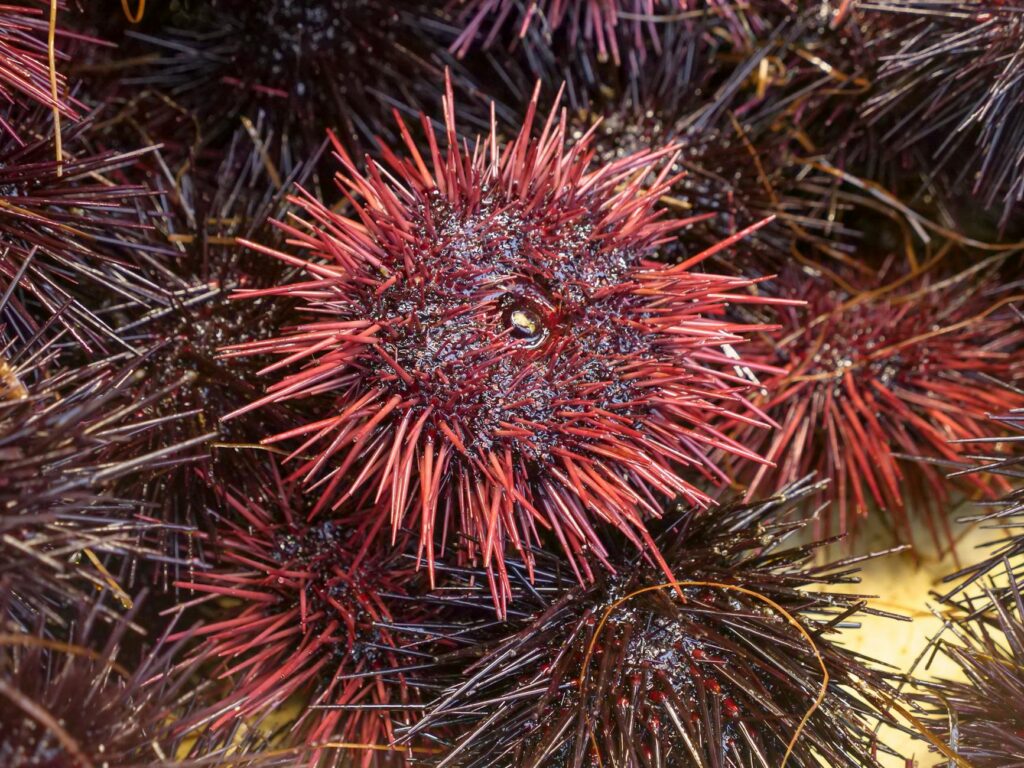
Sea urchins are spiny, globular marine animals belonging to the class Echinoidea, which is part of the phylum Echinodermata. Characterized by their hard, spiny shells and tube feet, these creatures inhabit ocean floors across the globe, primarily in rocky or sandy environments. The most sought-after part of the sea urchin for culinary use is its gonads, known as “uni” in Japanese. These delicate, creamy sacs are often described as the essence of the sea, offering a briny, umami flavor that has made them a staple in various culinary traditions, particularly in Japan, where they are served as sushi or sashimi.
Sea urchins come in several species, with the most notable being the red urchin (Strongylocentrotus franciscanus), the black urchin (Strongylocentrotus purpuratus), and the green urchin (Strongylocentrotus droebachiensis). Each species has its unique flavor profile, influenced by the environment in which it grows.
History and Origins
The consumption of sea urchin dates back centuries, with evidence suggesting that they were enjoyed by ancient civilizations. In Japan, sea urchin has been a delicacy for over a thousand years. It was first recorded in historical texts during the Heian period (794-1185 AD), where it was celebrated for its flavor and was often served to the imperial court.
Throughout history, various cultures have utilized sea urchins as a food source. Indigenous peoples in the Pacific Northwest of North America regarded sea urchins as an important part of their diet. The culinary appreciation for sea urchin has grown over the years, especially in Western culinary scenes, where it is often showcased in fine dining establishments.
Production and Processing
Sea urchins are typically harvested from the wild, although aquaculture practices have become increasingly common in recent years. The harvesting process requires skilled divers who collect sea urchins by hand from rocky seabeds. This method helps to ensure sustainability and preserves the delicate ecosystem of the marine environment.
Once harvested, sea urchins are processed to extract the edible gonads. The processing involves careful handling to avoid damaging the delicate uni. The shells are opened, and the gonads are removed, cleaned, and then packaged for distribution. High-quality sea urchin is often shipped live or pre-packed in containers with seawater to maintain freshness.
The processing of sea urchin is a meticulous task, as even the slightest mishandling can compromise the quality of the product. It is essential to adhere to hygiene standards and temperature control during the processing phase to ensure the uni retains its flavor and texture.
Quality and Grading
The quality of sea urchin is determined by several factors, including freshness, flavor, color, and texture. High-quality uni is characterized by its vibrant color, typically ranging from golden yellow to rich orange. It should have a creamy texture and a sweet, briny flavor with a subtle oceanic note.
Grading systems may vary by region, but generally, sea urchin is categorized into three grades:
1. Grade A: This is the highest quality, featuring vibrant color and a rich, sweet flavor. It is often served in high-end restaurants and is sought after by chefs.
2. Grade B: This grade may have slight imperfections in color or flavor but is still suitable for culinary use. It may be used in cooked dishes or for commercial purposes.
3. Grade C: This grade is often considered subpar and may be used in processed products or for lower-end culinary applications.
Quality assurance and proper grading are crucial in maintaining the reputation of sea urchin as a premium ingredient. Consumers should always inquire about the grading of the product they are purchasing to ensure they are receiving the best quality available.
Buying Considerations
When purchasing sea urchin, several factors should be taken into account to ensure you are getting a product that meets your culinary needs:
1. Freshness: Ideally, sea urchin should be purchased live or freshly processed. Look for products that are stored in seawater or kept at low temperatures to maintain freshness.
2. Source: Consider the origin of the sea urchin. Regions known for high-quality sea urchins, such as Japan and parts of California, often produce the best products. Sustainable harvesting practices should also be a priority.
3. Appearance: Fresh uni should have a bright, appealing color. Avoid products that appear dull or have an off-putting smell, as these may indicate spoilage.
4. Packaging: Pay attention to packaging details. Vacuum-sealed or carefully packed products are less likely to have been damaged during transport.
5. Reputation of Supplier: Purchasing from reputable seafood suppliers or specialty markets that focus on quality can help ensure you’re getting a superior product.
Uses and Applications
Sea urchin’s unique flavor makes it a versatile ingredient in various culinary applications. It is commonly used in:
- Sushi and Sashimi: The most popular application, sea urchin is often served raw atop sushi rice or as part of sashimi platters, showcasing its delicate flavor.
- Pasta Dishes: Sea urchin can be incorporated into pasta sauces, lending a rich, briny note that enhances the overall dish.
- Seafood Risottos: The creamy texture of uni pairs beautifully with risotto, adding depth and complexity to this classic dish.
- Garnishes: Chefs often use sea urchin as a garnish for seafood dishes, soups, or salads to elevate the presentation and flavor profile.
- Seafood Towers: In upscale dining, sea urchin is frequently featured in seafood towers, showcasing various raw seafood delicacies.
- Live Sea Urchin: If purchasing live sea urchin, keep it in a cool, moist environment (such as a refrigerator) and consume it within a day or two for optimal freshness.
- Fresh Uni: Once sea urchin has been processed, it should be stored in the refrigerator at temperatures between 28°F and 32°F (-2°C to 0°C). It is best consumed within a few days of processing.
- Frozen Uni: Sea urchin can be frozen for longer storage, but this may alter its texture. If freezing, place it in an airtight container to prevent freezer burn, and consume it within six months for the best quality.
The potential applications for sea urchin extend beyond traditional uses, as chefs continue to experiment with its flavor in innovative ways, integrating it into contemporary culinary creations.
Storage and Shelf Life
Proper storage of sea urchin is crucial to maintaining its quality and freshness. Here are some guidelines:
As with all seafood, it is essential to check for signs of spoilage, such as off odors or discoloration, before consumption.
Common Misconceptions
Despite its growing popularity, several misconceptions about sea urchin persist:
1. Uni Is Fishy: Many people assume that sea urchin has a strong fishy taste. In reality, high-quality uni has a mild, sweet flavor with subtle brininess, reminiscent of the ocean.
2. Sea Urchin Is Difficult to Prepare: While the processing of sea urchin requires skill, it is not inherently challenging. With proper handling and care, chefs can easily integrate it into various dishes.
3. Sea Urchin Is Only for Sushi: While it is a staple in sushi cuisine, sea urchin can be used in a multitude of dishes, including pasta, risottos, and even as a garnish for soups.
4. All Sea Urchin Tastes the Same: Different species of sea urchins offer distinct flavor profiles, influenced by their diet and habitat. Understanding these differences can enhance culinary experiences.
5. Sea Urchin Is Only Available Fresh: While fresh uni is highly sought after, frozen sea urchin can also be of high quality and is readily available in many markets.
Frequently Asked Questions
1. What does sea urchin taste like?
Sea urchin offers a unique flavor profile that is often described as sweet and briny, with a creamy texture reminiscent of custard. The taste can vary depending on the species and environment in which it was harvested.
2. How should I eat sea urchin?
Sea urchin is typically enjoyed raw as sushi or sashimi. It can also be incorporated into dishes like pasta or used as a garnish for seafood dishes.
3. Where can I buy fresh sea urchin?
Fresh sea urchin can often be found at specialty seafood markets, high-end grocery stores, or directly from reputable suppliers. Ensure the source prioritizes sustainability and quality.
4. How long does sea urchin last in the fridge?
Fresh sea urchin is best consumed within a few days of processing. If stored properly in the refrigerator, it can last up to three days. Always check for signs of spoilage before consuming.
5. Can I freeze sea urchin?
Yes, sea urchin can be frozen for longer storage, but this may affect its texture. It is advisable to consume frozen uni within six months for optimal quality.
6. Are there any health concerns associated with eating sea urchin?
As with any seafood, it is essential to ensure that sea urchin is sourced from reputable suppliers to avoid potential contamination. Always consult with local guidelines regarding seafood consumption.
In conclusion, sea urchin is a multifaceted ingredient that holds a significant place in both traditional and contemporary culinary practices. Its unique flavor and texture make it a sought-after delicacy, and understanding its history, production, and uses can enhance one’s appreciation for this extraordinary marine treasure.