
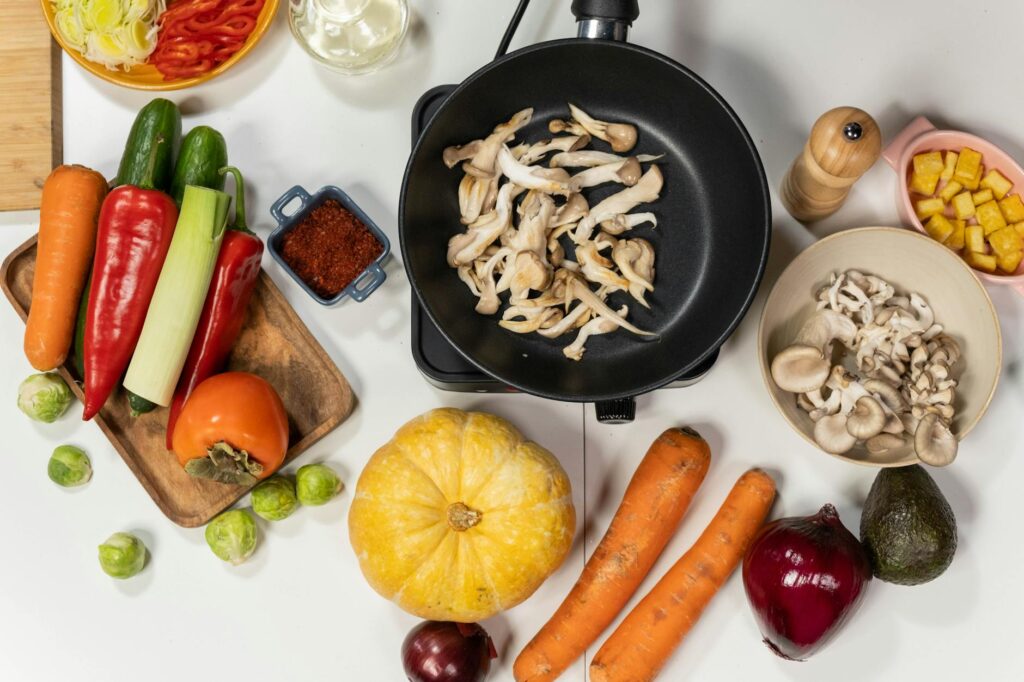
What Is Squash?
Introduction
Squash is a versatile ingredient that has captivated culinary enthusiasts and health-conscious consumers alike. This member of the gourd family boasts a rich variety of shapes, sizes, and flavors, making it a staple in cuisines around the globe. Beyond its culinary appeal, squash also has a storied history, diverse applications, and unique storage requirements. This article aims to provide a comprehensive overview of squash, covering its origins, production methods, grading standards, and more.
What Is Squash?
Squash refers to a group of vegetables belonging to the genus Cucurbita, which encompasses several species, including Cucurbita pepo, Cucurbita maxima, and Cucurbita moschata. This genus is characterized by its sprawling vines and large leaves, producing fruits that vary in color, texture, and taste. Squash can be broadly categorized into two main types: summer squash and winter squash.
- Summer Squash: Typically harvested when immature, summer squashes, such as zucchini and yellow squash, have tender skin and a mild flavor. They are primarily enjoyed fresh or lightly cooked.
- Winter Squash: These varieties, including butternut, acorn, and spaghetti squash, are harvested when fully mature and have tougher skins. They are known for their rich, sweet flavors and are often stored for longer periods.
- U.S. No. 1: This grade is assigned to squash that is free from defects, uniformly colored, and of good shape. The fruits should be firm and exhibit the desired color characteristic of the variety.
- U.S. No. 2: Squash in this category may have minor defects in shape or color but must still be edible.
- U.S. No. 3: This grade is for squash that may have significant defects, including blemishes or misshapen forms but is still considered fit for consumption.
- Grilling and Roasting: Both summer and winter squashes can be grilled or roasted, enhancing their natural sweetness and flavor.
- Soups and Purees: Squash, particularly winter varieties, is often used in soups, where it can be pureed for a creamy texture.
- Stuffing: Hollowed-out squash, like acorn or butternut, can be filled with grains, meats, or vegetables for a hearty dish.
- Pasta Alternatives: Spaghetti squash can be cooked and scraped into strands, serving as a low-carb alternative to traditional pasta.
- Baking: Squash can be incorporated into baked goods, such as muffins or breads, adding moisture and natural sweetness.
- Refrigeration: Summer squashes should be stored in the refrigerator in a perforated plastic bag to allow for air circulation, typically lasting up to a week.
- Room Temperature: Winter squash can be stored in a cool, dark, and dry place for several months. Ideal storage temperatures range from 50°F to 60°F (10°C to 15.5°C).
History and Origins
The origins of squash can be traced back thousands of years to Central and South America. Archaeological evidence suggests that squash was cultivated by indigenous peoples as early as 10,000 years ago. It was one of the “Three Sisters,” along with beans and corn, which formed a staple diet for many Native American tribes. The cultivation of squash spread northward into what is now the United States and Canada, eventually making its way to Europe in the 16th century following the Columbian Exchange.
In various cultures, squash has been celebrated not just as a food source but also as a symbol of abundance and fertility. Today, it remains a key ingredient in many traditional dishes around the world, highlighting its enduring legacy in global cuisine.
Production and Processing
Squash is cultivated in diverse climates, with the United States, Mexico, and Italy being some of the leading producers. The growing season generally spans from late spring to early fall, depending on the variety and local climate conditions.
Cultivation Practices
1. Soil Preparation: Squash thrives in well-drained, fertile soil rich in organic matter. Farmers often amend the soil with compost or well-rotted manure to enhance nutrient availability.
2. Planting: Seeds are typically sown directly into the ground or started indoors and later transplanted. The spacing between plants is crucial, as squash requires ample room for vine growth.
3. Watering: Consistent moisture is essential, particularly during the flowering and fruiting stages. Drip irrigation systems are often employed to maintain optimal soil moisture levels.
4. Pest and Disease Management: Squash is susceptible to various pests, including squash bugs and cucumber beetles. Integrated pest management strategies, including crop rotation and the use of beneficial insects, are commonly employed.
Harvesting and Processing
Harvesting squash requires careful timing to ensure optimal flavor and texture. Summer squashes are typically harvested when they are still small and tender, while winter squashes are left on the vine until they reach full maturity and their skins harden.
Once harvested, squash may undergo various processing methods, including washing, trimming, and packaging. Some varieties may also be canned, frozen, or dried for extended shelf life.
Quality and Grading
The quality of squash is determined by several factors, including appearance, size, and firmness. In the United States, the United States Department of Agriculture (USDA) has established grading standards that classify squash into different quality grades:
Consumers are encouraged to look for firm, unblemished squash with vibrant coloration, as these are indicators of freshness and quality.
Buying Considerations
When purchasing squash, several factors come into play to ensure you select the best quality produce.
1. Variety: Familiarize yourself with the different types of squash and their intended uses. Summer squash is ideal for quick meals, while winter squash shines in roasted or baked dishes.
2. Seasonality: Squash is typically at its best during peak harvesting months. Buying in-season squash can lead to enhanced flavor and texture.
3. Appearance: Look for squash that is firm to the touch, free from soft spots, and has a vibrant color. Avoid squash with signs of mold or decay.
4. Size: Select squash that aligns with your intended use. Smaller summer squash are tender and flavorful, while larger winter squash can be stored for longer periods.
5. Source: If possible, consider purchasing from local farmers’ markets or organic producers, as this often ensures fresher and more sustainably grown produce.
Uses and Applications
Squash is a versatile ingredient that can be utilized in numerous culinary applications. Its mild flavor and varied textures lend themselves well to both sweet and savory dishes. Here are some common uses:
Culinary Applications
Nutritional Value
While this article does not delve into medical advice, it is noteworthy that squash is generally considered a nutritious food, rich in vitamins, minerals, and dietary fiber. Its versatility allows it to be integrated into a variety of diets, contributing to meal diversity.
Storage and Shelf Life
Proper storage of squash is crucial to maximize its shelf life and maintain quality.
Summer Squash
Winter Squash
Signs of Spoilage
Keep an eye out for signs of spoilage, such as soft spots, mold, or an off smell. If any of these occur, it’s best to discard the affected squash to prevent contamination of other produce.
Common Misconceptions
1. All Squash is the Same: Many people assume that squash is just one type of vegetable. In reality, there are numerous varieties, each with unique flavors and culinary uses.
2. Squash is Only for Fall: While winter squash is often associated with autumn, summer squash can be enjoyed throughout the warmer months, showcasing its versatility.
3. You Can’t Eat the Skin: Some varieties, especially summer squashes, have edible skins that are rich in nutrients. Always wash them thoroughly before consumption.
4. All Squash is Sweet: While winter squash tends to be sweeter, summer squash is often milder and can be savory in flavor.
5. Squash is Difficult to Cook: Many assume squash is a complex ingredient, but it can be easily prepared using simple cooking techniques.
Frequently Asked Questions
1. How can I tell if a squash is ripe?
Ripe squash will feel firm to the touch and have a deep, rich color specific to its variety. The skin should be hard, and there should be no soft spots.
2. Can I eat squash seeds?
Yes, squash seeds are edible and nutritious. They can be roasted and seasoned for a tasty snack.
3. How do I prepare squash for cooking?
Preparation typically involves washing, trimming the ends, and cutting it to your desired size. For winter squash, you may need to peel it before cooking.
4. Are there any health benefits to eating squash?
While this article does not provide medical advice, squash is generally considered a nutritious food source that can contribute to a balanced diet.
5. Can squash be frozen?
Yes, squash can be frozen, but it is advisable to blanch it first to preserve its texture and flavor.
6. What pairs well with squash in dishes?
Squash pairs well with a variety of ingredients, including herbs like thyme and rosemary, spices like cinnamon and nutmeg, and proteins such as chicken or beans.
Conclusion
Squash is more than just a culinary ingredient; it is a product with deep historical roots and diverse applications. Understanding its origins, cultivation practices, and storage methods can enhance appreciation for this versatile vegetable. Whether enjoyed in a hearty soup or roasted as a side dish, squash continues to be a beloved ingredient across many cultures, proving its worth in kitchens worldwide.