
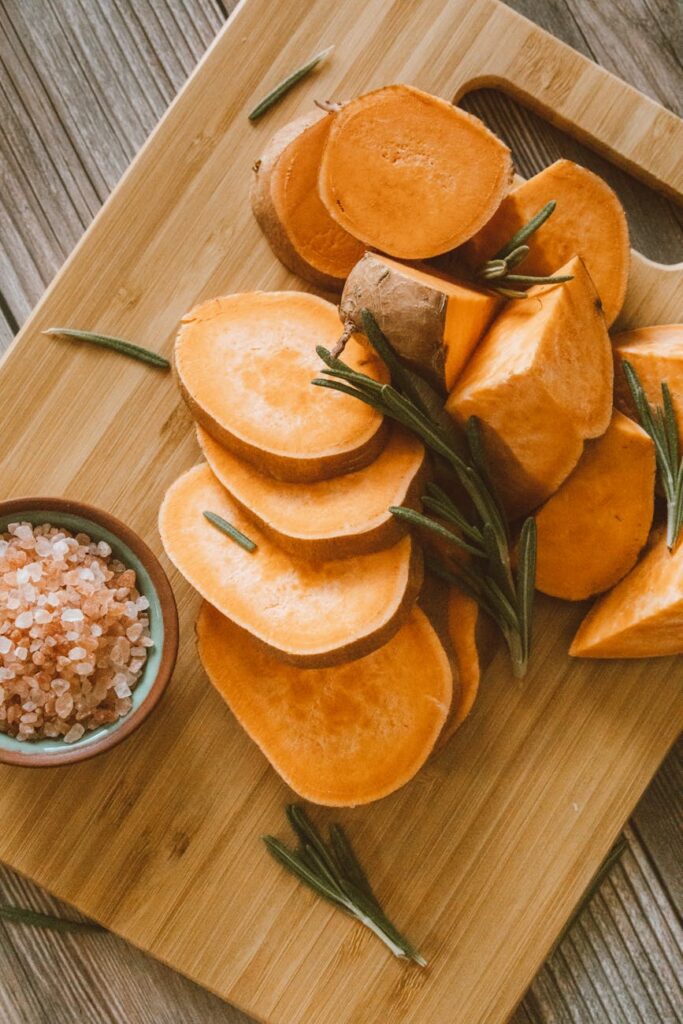
What Is Sweet Potato?
Introduction
Sweet potato, scientifically known as Ipomoea batatas, is a versatile and nutritious root vegetable celebrated for its natural sweetness and vibrant color. With a rich culinary history spanning cultures worldwide, sweet potatoes are not only a staple in various diets but also an ingredient with remarkable health benefits. This article delves into the multifaceted world of sweet potatoes, exploring their origins, production processes, quality assessments, and myriad applications.
What Is Sweet Potato?
Sweet potato is a tuberous root belonging to the morning glory family, Convolvulaceae. Unlike regular potatoes, which belong to the nightshade family, sweet potatoes are characterized by their sweet flavor, smooth texture, and vibrant hues that can range from orange and purple to yellow and white. Each variety offers distinct taste profiles and nutritional benefits, making sweet potatoes a favored choice among chefs, nutritionists, and home cooks alike.
There are two primary types of sweet potatoes commonly found in culinary practices: the orange-fleshed varieties, which are rich in beta-carotene, and the white or purple-fleshed varieties that offer different nutritional profiles. Sweet potatoes are typically grown in warmer climates and are considered a warm-season crop.
History and Origins
The history of sweet potatoes dates back thousands of years. Archaeological evidence suggests that sweet potatoes were domesticated in Central or South America around 5,000 years ago. The indigenous peoples of these regions utilized sweet potatoes not only as a food source but also for medicinal purposes. The spread of sweet potatoes across the globe is attributed to early explorers and traders who recognized their value as a nutrient-dense food.
In the 16th century, sweet potatoes were introduced to Europe, where they began to gain popularity. Their cultivation spread to Africa and Asia, where they adapted well to various climates and soils. Today, sweet potatoes are cultivated worldwide, with significant production in countries such as China, the United States, and Nigeria.
Production and Processing
Sweet potatoes thrive in warm, well-drained sandy loam soils, requiring a growing season of 90 to 120 days. They are usually propagated from slips, which are shoots that sprout from mature sweet potatoes. Farmers typically plant slips in rows, allowing for adequate spacing to facilitate growth.
The harvesting of sweet potatoes occurs when the leaves begin to yellow, indicating that the tubers have reached maturity. Farmers carefully excavate the roots to prevent damage, ensuring that they remain intact for processing or sale. After harvesting, sweet potatoes undergo a curing process, which involves storing them in a warm, humid environment for several days. This step enhances their sweetness and improves their shelf life by healing any wounds sustained during harvesting.
Once cured, sweet potatoes may be processed in various ways, including washing, peeling, and cutting, depending on their intended use. They can be sold whole or transformed into products such as sweet potato flour, purees, and chips.
Quality and Grading
Quality assessment of sweet potatoes is crucial for both producers and consumers. The grading process typically involves evaluating size, shape, color, and texture. High-quality sweet potatoes should be firm, smooth, and free from blemishes or signs of decay.
The United States Department of Agriculture (USDA) has established grading standards for sweet potatoes, categorizing them into different classes, including U.S. No. 1 and U.S. No. 2, based on size and appearance. Consumers are encouraged to choose sweet potatoes that exhibit vibrant colors and minimal surface imperfections, as these characteristics often indicate freshness and optimal flavor.
Buying Considerations
When purchasing sweet potatoes, several factors should be considered to ensure the highest quality. It is advisable to select sweet potatoes that are firm and heavy for their size, as this indicates moisture content and freshness. Avoid those with soft spots, sprouting eyes, or visible signs of rot.
Sweet potatoes can be found in various forms, including whole, canned, frozen, and processed products. When buying pre-packaged sweet potatoes, check for the packaging date and ensure there are no signs of damage. Additionally, consider the variety; orange-fleshed sweet potatoes tend to be sweeter and more nutrient-dense than their white or purple counterparts.
Uses and Applications
Sweet potatoes are remarkably versatile in culinary applications. They can be prepared in a myriad of ways, including baking, boiling, steaming, and frying. Their natural sweetness makes them an excellent ingredient in both savory and sweet dishes.
In many cultures, sweet potatoes are a staple food, featured in traditional dishes ranging from casseroles and pies to soups and stews. They can also be mashed or pureed, serving as a nutritious base for various recipes. Beyond the kitchen, sweet potatoes are increasingly finding their way into snack foods, health bars, and even beverages, owing to their appealing flavor and nutritional profile.
In addition to their culinary uses, sweet potatoes are also valued for their potential in agricultural practices. They can be utilized as cover crops to prevent soil erosion and improve soil health, contributing to sustainable farming practices.
Storage and Shelf Life
Proper storage of sweet potatoes is essential to maintaining their quality and extending their shelf life. Ideally, sweet potatoes should be stored in a cool, dark, and well-ventilated area, away from direct sunlight. The optimal storage temperature is around 55 to 60 degrees Fahrenheit (13 to 16 degrees Celsius).
Under these conditions, sweet potatoes can last for several weeks to months. However, refrigeration is not recommended, as it can lead to a hard center and undesirable flavor changes. Once cooked, sweet potatoes can be refrigerated for up to a week or frozen for longer storage. When freezing, it is advisable to cook the sweet potatoes first to preserve their texture and flavor.
Common Misconceptions
Despite their popularity, several misconceptions about sweet potatoes persist. One common myth is that sweet potatoes and yams are the same. In reality, they are distinct species; yams belong to the Dioscorea genus and are primarily grown in Africa and Asia, while sweet potatoes belong to the Ipomoea genus.
Another misconception is that all sweet potatoes are equally nutritious. The nutritional content can vary significantly based on the variety and preparation method. For instance, orange-fleshed sweet potatoes are particularly high in beta-carotene, which converts to vitamin A in the body, while white-fleshed varieties may contain fewer vitamins but offer other health benefits.
Finally, many people believe that sweet potatoes must be peeled before cooking. While peeling can be beneficial in certain applications, the skin of sweet potatoes is rich in fiber and nutrients, making it a valuable part of the vegetable.
Frequently Asked Questions
1. What is the difference between sweet potatoes and regular potatoes?
Sweet potatoes are from the morning glory family, while regular potatoes belong to the nightshade family. Sweet potatoes are sweeter and rich in beta-carotene, while regular potatoes are more starchy.
2. Can sweet potatoes be eaten raw?
While it is safe to eat raw sweet potatoes, they are typically more palatable and easier to digest when cooked. Cooking enhances their natural sweetness and softens their texture.
3. How do I know when sweet potatoes are ripe?
Sweet potatoes do not ripen in the same way as fruits. Instead, they should be harvested when their skin is firm and smooth, and the leaves begin to yellow.
4. Are there different varieties of sweet potatoes?
Yes, there are numerous varieties of sweet potatoes, each with its unique flavor and texture. Common types include orange-fleshed, purple-fleshed, and white-fleshed sweet potatoes.
5. How should I store sweet potatoes?
Store sweet potatoes in a cool, dark, and well-ventilated place, ideally between 55 to 60 degrees Fahrenheit. Avoid refrigeration, as it can negatively affect their texture and flavor.
6. What nutrients are found in sweet potatoes?
Sweet potatoes are an excellent source of vitamins A and C, potassium, fiber, and antioxidants. Their nutrient profile can vary depending on the variety and cooking method.
—
In summary, sweet potatoes are a remarkable ingredient celebrated for their flavor, versatility, and nutritional benefits. Understanding their origins, production practices, and culinary applications can enhance appreciation for this vibrant root vegetable, making it a valued addition to diets around the world.