
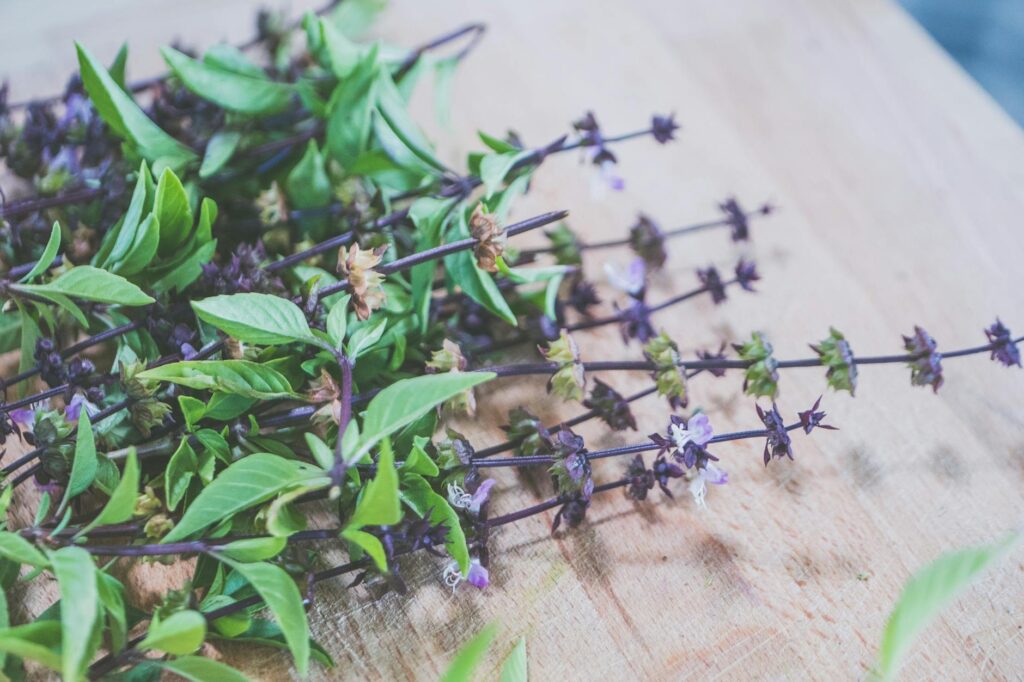
What Is Thai Basil?
Introduction
Thai basil, scientifically known as Ocimum basilicum var. thunbergii, is a fragrant herb that plays a pivotal role in Southeast Asian cuisine, particularly in Thai and Vietnamese dishes. Distinguished by its unique anise-like flavor and clove undertones, Thai basil is not only a culinary staple but also a culturally significant herb that has garnered global appreciation. This article delves into the intricacies of Thai basil, exploring its history, production, culinary applications, and much more.
What Is About?
Thai basil is characterized by its glossy, dark green leaves, purplish stems, and delicate purple flowers. Unlike its Italian counterpart, sweet basil, which is commonly used in Western cuisines, Thai basil boasts a spicier flavor profile that contributes to the distinct taste of various Southeast Asian dishes. Its leaves have a slightly serrated edge, and the plant can grow up to 18 inches tall, making it an attractive addition to herb gardens.
The herb is often confused with other varieties of basil, yet its unique aromatic qualities set it apart. Thai basil thrives in warm, humid climates and is commonly found in tropical regions, making it a key ingredient in dishes such as Pad Thai and Green Curry.
History and Origins
Thai basil has a rich history that dates back thousands of years. Its origins can be traced to Southeast Asia, where it was first cultivated for both culinary and medicinal purposes. The herb is believed to have been introduced to Thailand from India, where basil has long been revered for its spiritual significance and health benefits.
In Thai culture, basil is often associated with good fortune and is used in various rituals. Its integration into Thai cuisine reflects a blend of indigenous culinary practices and influences from neighboring countries. As trade routes expanded, so did the popularity of Thai basil, leading to its introduction in other parts of the world.
Production and Processing
Thai basil is primarily cultivated in Thailand, Vietnam, and other Southeast Asian countries, though it has also gained traction in temperate regions worldwide. The herb thrives in well-drained, nutrient-rich soil and requires ample sunlight and moisture. Farmers often propagate Thai basil through seeds or cuttings, with a growing season that typically lasts from spring to early fall.
Once harvested, Thai basil is handled with care to preserve its delicate leaves and aromatic oils. The leaves can be sold fresh, dried, or frozen, depending on market demands. Fresh Thai basil is often preferred for its vibrant flavor, while dried versions are more shelf-stable but may lack some of the aromatic qualities of their fresh counterparts.
Quality and Grading
When it comes to Thai basil, quality is vital for both flavor and aroma. The leaves should be vibrant and free from blemishes or discoloration. Fresh Thai basil is best evaluated by its fragrance; a strong, sweet aroma indicates freshness.
Grading standards may vary by region, but generally, Thai basil is categorized into different quality tiers based on leaf size, color, and overall health. Premium grades are often reserved for culinary applications, while lower grades may be used for processing or sold in bulk.
In commercial settings, quality control measures are crucial to ensure that the herb retains its essential oils and flavor compounds during storage and distribution. Proper handling and transportation can significantly affect the herb’s final quality.
Buying Considerations
When purchasing Thai basil, several factors should be considered to ensure the best quality.
1. Freshness: Look for vibrant green leaves with no signs of wilting or browning. Fresh Thai basil should have a strong, aromatic scent.
2. Source: Consider buying from local farmers’ markets or reputable grocery stores that prioritize fresh, organic produce.
3. Packaging: If purchasing pre-packaged basil, check for airtight seals and expiration dates to ensure freshness.
4. Varietal Differences: Be aware of the different varieties of basil, as some may be labeled as “Thai basil” but may not possess the same flavor characteristics. Authentic Thai basil should have a distinct aroma and flavor profile.
5. Seasonality: Thai basil is typically more abundant in warmer months, so purchasing it during its peak season can often yield better quality.
Uses and Applications
Thai basil is renowned for its versatility in culinary applications. Its robust flavor stands up well in both cooked and raw dishes, making it a popular choice for stir-fries, soups, and salads. Here are some of the most common uses of Thai basil:
- Culinary Dishes: Thai basil is a cornerstone in traditional Thai dishes, such as Pad Krapow Moo (stir-fried minced pork with basil) and Tom Yum soup. Its unique flavor enhances the overall taste profile of these dishes.
- Garnishing: The aromatic leaves are often used as a garnish, adding a fresh, herbal note to meals.
- Infusions: Thai basil can be used to infuse oils and vinegars, imparting its distinct flavor to dressings and marinades.
- Beverages: In some cultures, Thai basil is added to drinks for flavor, often paired with fruits or in herbal teas.
- Preservation: While fresh Thai basil is preferred, it can also be dried or frozen for later use, although this may alter its flavor and aroma.
Storage and Shelf Life
Proper storage is essential to maintain the quality of Thai basil. Fresh basil should be stored in a cool, dry place and can be kept in the refrigerator, ideally in a breathable container or wrapped in a damp paper towel to maintain moisture without causing rot.
In terms of shelf life, fresh Thai basil typically lasts about 5 to 7 days in the refrigerator. To extend its lifespan, it can also be frozen; however, freezing may alter the texture of the leaves. Dried Thai basil has a longer shelf life, lasting for several months if stored in an airtight container in