
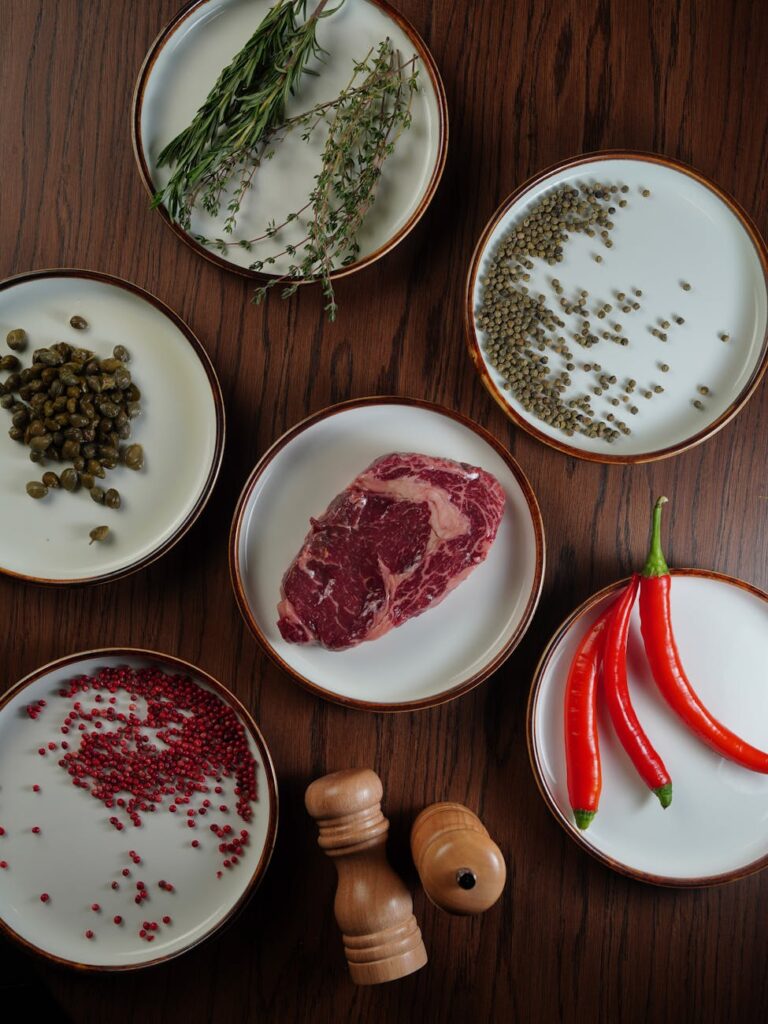
Where to Buy Authentic Capers
Introduction
Capers, those small, green flower buds brimming with flavor, have found their place in kitchens around the world. Their unique tanginess adds depth to various dishes, from Mediterranean classics to modern culinary creations. However, purchasing authentic capers can be a nuanced task. This article will guide you through the intricacies of buying capers, covering everything from their history and production to quality indicators and storage methods.
What Is Buying?
In the context of culinary ingredients, “buying” refers to the process of selecting and purchasing food items for personal or commercial use. It encompasses understanding the source, quality, and characteristics of the ingredient, ensuring that the buyer acquires the best possible product for their needs. With capers, this means recognizing the differences between varieties, knowing how to assess quality, and understanding where to source them.
History and Origins
Capers are derived from the Capparis spinosa plant, native to the Mediterranean region. Historical records indicate that capers have been used since ancient times, featuring in Roman and Greek culinary traditions. They were prized for their flavor and were even mentioned in texts by renowned philosophers and writers.
In Italy, capers are often associated with regions such as Pantelleria, where the unique climate contributes to the plant’s robust flavor. Meanwhile, in France, capers are often linked to the Provence region. Their cultivation has spread globally, but the Mediterranean remains the heartland for authentic capers.
Production and Processing
Capers are harvested from the Capparis spinosa plant, typically in late spring and early summer when the buds are still closed. The harvesting process is labor-intensive; workers must carefully pick each bud by hand to avoid damaging the plant. Once harvested, the capers undergo a curing process, usually involving salt or brine, which enhances their flavor and preserves them.
There are different grades of capers based on size, flavor intensity, and processing methods. The smallest capers, known as “nonpareil,” are often considered the highest quality due to their delicate flavor. Larger capers are categorized as “capotes” or “grandi,” each offering a distinct taste profile.
Quality and Grading
The quality of capers is determined by several factors, including size, color, and processing method. Authentic capers should be vibrant green or pale green in color. They should also have a firm texture and a robust, tangy flavor.
When purchasing capers, it is essential to look for:
- Size: Smaller capers are generally considered superior in flavor.
- Color: Fresh, high-quality capers exhibit a lively green hue.
- Packaging: Look for glass jars or cans, as these often indicate better preservation compared to plastic containers.
- Brine Quality: The brine should be clear and free from cloudiness, a sign of poor preservation.
- Capers are pickles: While both are preserved foods, capers are flower buds, not cucumbers.
- All capers are the same: The size, origin, and processing method greatly influence flavor and quality. Not all capers are created equal.
- Capers are too salty: When properly rinsed, capers can add a delightful burst of flavor without overwhelming saltiness.
- Capers are only for Mediterranean cuisine: Their versatility allows for use in various international dishes, from salads to seafood.
Buying Considerations
When buying capers, several considerations can help ensure you make an informed choice:
1. Source: Origin matters. Look for capers sourced from traditional Mediterranean regions, where the climate enhances their flavor profile.
2. Type: Understand the different types of capers available. Nonpareil capers are ideal for gourmet dishes, while larger varieties can be used for more robust applications.
3. Curing Method: Salt-packed capers tend to have a more intense flavor, whereas those preserved in vinegar or brine may be milder. Choose based on your culinary needs.
4. Sustainability: Check for certifications or labels indicating sustainable harvesting practices.
5. Storage Conditions: Ensure the product has been stored properly before reaching your hands. Look for signs of spoilage or compromised packaging.
6. Local vs. Imported: While authentic Mediterranean capers are preferred, local alternatives can sometimes offer quality and freshness. Explore local specialty stores or farmers’ markets for fresh options.
Uses and Applications
Capers are incredibly versatile and can be used in various culinary applications. They are commonly found in Mediterranean dishes such as pasta puttanesca, chicken piccata, and tapenade. Their briny flavor enhances sauces, dressings, and marinades, making them a valuable addition to a chef’s pantry.
Beyond savory applications, capers can also complement seafood dishes, salads, and even some desserts by providing a contrast to sweetness. Their unique flavor profile allows for experimentation, making them a favorite among culinary creatives.
Storage and Shelf Life
Proper storage is crucial for maintaining the quality of capers. Unopened jars or cans can be stored in a cool, dark place, such as a pantry. Once opened, capers should be kept in the refrigerator and submerged in their brine or oil to preserve their flavor and texture.
Generally, capers can last for several years if stored correctly, although their flavor may diminish over time. Always check for signs of spoilage, such as an off smell or discoloration, before use.
Common Misconceptions
Despite their popularity, several misconceptions about capers persist:
Frequently Asked Questions
1. What are the different types of capers?
Capers are categorized primarily by size: nonpareil (smallest), capotes (medium), and grandi (largest). Each type varies in flavor intensity and culinary application.