
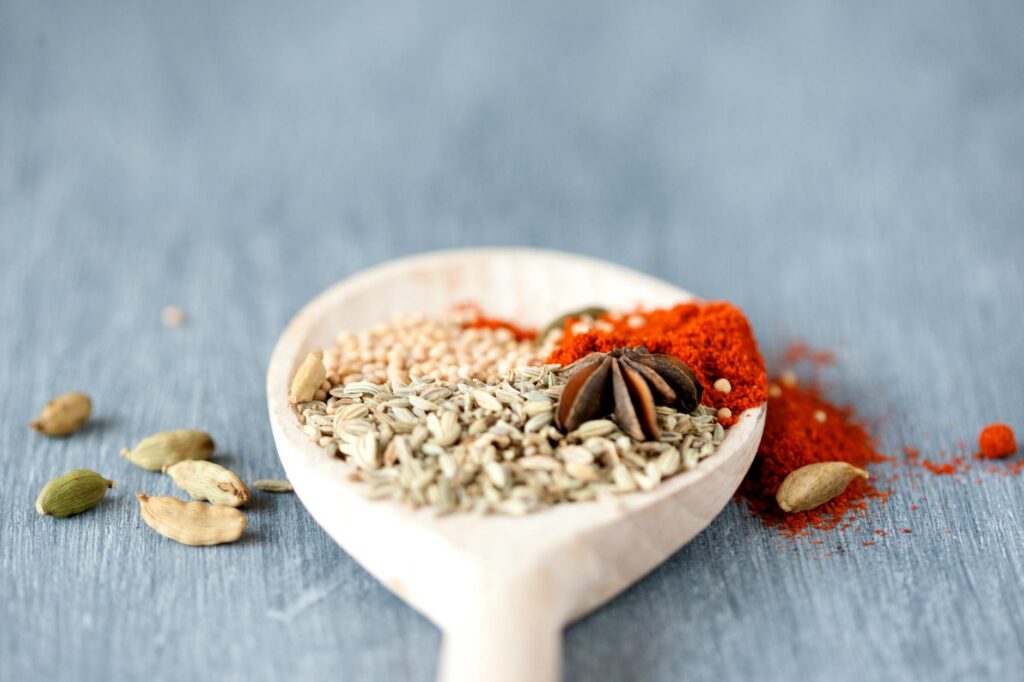
Where to Buy Authentic Fennel Seeds
Introduction
Fennel seeds, with their distinct anise-like flavor and aromatic qualities, have been cherished in various culinary traditions across the globe. As a versatile ingredient, they can enhance everything from savory dishes to sweet confections. However, the quality of fennel seeds can vary significantly based on their source, making the selection process crucial for culinary success. This article provides a comprehensive guide on where to buy authentic fennel seeds, focusing on factors such as history, production, quality grading, and storage.
What Is Buying?
In the context of culinary ingredients, “buying” refers to the process of acquiring food items, in this case, fennel seeds, from various sources. This process encompasses several considerations, including quality, price, packaging, and sourcing practices. Understanding the nuances of buying fennel seeds can help consumers make informed choices, ensuring they select the best product for their culinary needs.
History and Origins
Fennel (Foeniculum vulgare) is a flowering plant belonging to the carrot family. Native to the Mediterranean region, it has been cultivated for thousands of years. Historical texts suggest that fennel was used by the ancient Egyptians, Greeks, and Romans, not only for its flavor but also for its purported medicinal properties. The seeds have traveled across continents, becoming integral to diverse cuisines, from Indian to Middle Eastern and European dishes. Understanding this rich history can enhance appreciation for fennel seeds and guide consumers in their purchasing decisions.
Production and Processing
The production of fennel seeds involves careful cultivation and processing. Fennel plants typically thrive in well-drained soil and require a sunny climate. The seeds are harvested when they turn brown and are then dried to enhance their flavor. Depending on the region, different methods of drying and processing are employed, which can affect the seeds’ quality and flavor profile.
Countries like India, Egypt, and Turkey are among the largest producers of fennel seeds, with each region imparting unique characteristics due to differences in soil, climate, and cultivation practices. When purchasing fennel seeds, understanding their origin can provide insights into their quality and flavor nuances.
Quality and Grading
Quality is paramount when buying fennel seeds. Various grading systems exist, with categorization often based on factors such as size, color, and aroma. Premium-quality fennel seeds are typically whole, plump, and aromatic, while inferior grades may be broken, dull in color, or lacking in fragrance.
When selecting fennel seeds, look for:
- Whole seeds: Avoid broken or crushed seeds, as they may indicate lower quality and diminished flavor.
- Aroma: Fresh fennel seeds should have a strong, sweet, and slightly licorice-like scent. A lack of aroma can suggest staleness or poor quality.
- Color: The seeds should be a uniform, rich brown color. Discolorations can indicate age or poor storage practices.
Reputable suppliers will often provide grading information, which can help consumers make informed choices.
Buying Considerations
When searching for authentic fennel seeds, several factors should be taken into account:
1. Source: Purchase from reputable suppliers, whether they be local spice shops, specialty food stores, or online retailers known for quality products.
2. Organic vs. Conventional: Organic fennel seeds are grown without synthetic pesticides or fertilizers, which some consumers prefer for environmental and health reasons.
3. Packaging: Look for vacuum-sealed or airtight packaging to preserve freshness and prevent moisture ingress.
4. Expiry Date: Check the packaging for a ‘best by’ or expiry date to ensure the seeds are fresh.
5. Cost: While price can be an indicator of quality, it’s essential to balance cost with the reputation of the supplier. Higher prices do not always guarantee superior quality.
6. Sustainability: Consider sourcing fennel seeds from suppliers who prioritize sustainable farming practices, which can contribute to environmental conservation.
Uses and Applications
Fennel seeds are versatile and can be used in a variety of culinary applications. They are often employed in spice blends, marinades, and pickling mixtures. In some cuisines, fennel seeds are toasted to enhance their flavor before being added to dishes. Additionally, they are commonly used in baking, particularly in Italian breads and cookies, where their aromatic quality can elevate the overall flavor profile.
Beyond cooking, fennel seeds are also utilized in the production of herbal teas, liqueurs, and even cosmetics due to their aromatic properties. Understanding the diverse applications of fennel seeds can help consumers appreciate their value and versatility in the kitchen.
Storage and Shelf Life
Proper storage of fennel seeds is crucial to maintaining their flavor and potency. Ideally, they should be stored in a cool, dark, and dry place, away from direct sunlight and moisture. Airtight containers, such as glass jars or vacuum-sealed bags, can help preserve freshness.
The shelf life of fennel seeds varies depending on storage conditions. When stored properly, whole fennel seeds can remain fresh for up to two years, while ground fennel seeds typically last around six months. Regularly checking the aroma and appearance of the seeds can help assess their freshness.
Common Misconceptions
Several misconceptions surround fennel seeds that can influence purchasing decisions:
1. All Fennel Seeds Are the Same: Not all fennel seeds are created equal. Variations in quality, taste, and aroma can occur based on origin and processing methods.
2. Fennel Seeds Lose Flavor Over Time: While fennel seeds will naturally lose potency over time, proper storage can significantly extend their shelf life.
3. Organic Means Better Quality: While organic fennel seeds are often cultivated without synthetic chemicals, quality should still be assessed based on aroma, appearance, and source.
4. Fennel Seed Tea Is Just for Flavor: While fennel seed tea is known for