
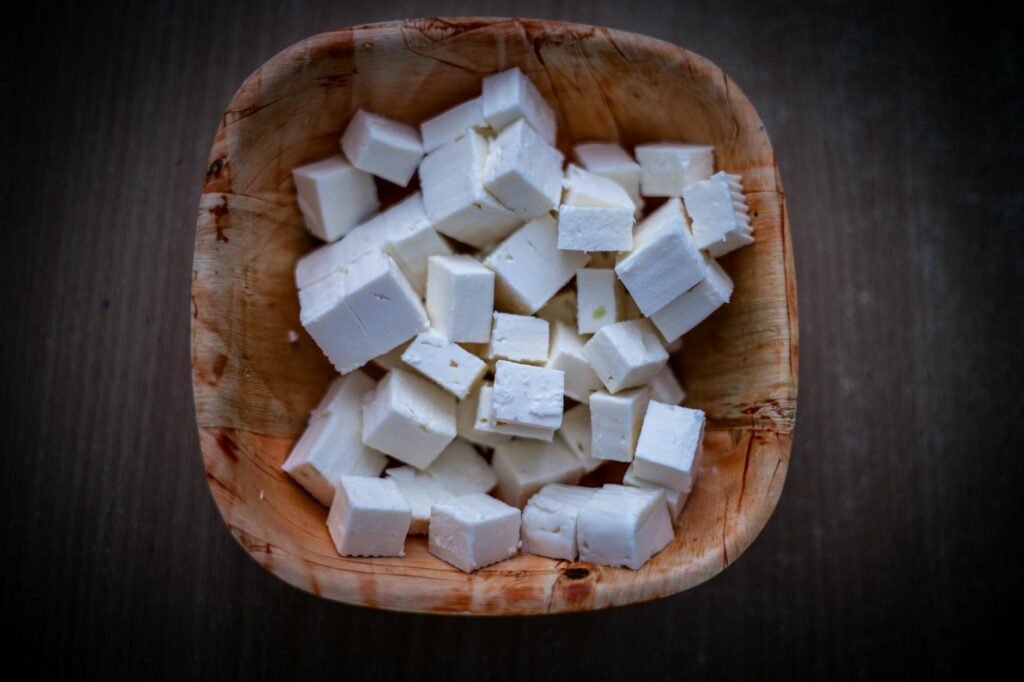
Where to Buy Authentic Feta Cheese
Introduction
Feta cheese, a staple of Mediterranean cuisine, is celebrated for its crumbly texture and tangy flavor. Traditionally made from sheep’s milk or a blend of sheep and goat’s milk, authentic feta is a protected designation of origin (PDO) product in Greece, which ensures its authenticity and quality. With the growing global demand for this delightful cheese, understanding where and how to buy authentic feta is essential for culinary enthusiasts and home cooks alike. This article aims to guide you through the intricacies of purchasing feta cheese, including its history, production, quality grading, and more.
What Is Buying?
Buying refers to the process of selecting and acquiring products from various sources, which, in this context, pertains specifically to feta cheese. Understanding where to source authentic feta cheese involves exploring various retail environments, discerning the quality of the product, and recognizing the nuances of different varieties. The aim is to ensure that consumers make informed decisions when purchasing this celebrated cheese.
History and Origins
The origins of feta cheese date back thousands of years, with references found in ancient Greek texts. Feta, derived from the Greek word “fetta” meaning “slice,” was traditionally made by shepherds in the pastoral landscapes of Greece. The cheese was initially crafted using sheep’s milk, which provided a rich and creamy texture, complemented by the unique flavors of the local flora consumed by the sheep.
In 2002, feta cheese was awarded PDO status by the European Union, which protects its designation and ensures that any cheese labeled as feta is produced in specific regions of Greece under strict regulations. This move not only preserves the authenticity of the cheese but also supports local economies and traditional production methods.
Production and Processing
Feta cheese is typically made from either sheep’s milk or a combination of sheep’s and goat’s milk. The production process begins with the milking of the animals, followed by pasteurization to eliminate harmful bacteria. The milk is then inoculated with specific cultures before rennet is added, causing the milk to curdle.
Once the curds form, they are cut into small pieces and gently heated to release whey. The curds are then drained and placed in molds, where they are pressed and salted. The cheese is aged for a minimum of two months in brine, which helps develop its characteristic flavor and texture. Authentic feta cheese is usually aged in wooden barrels or stainless steel tanks, ensuring the preservation of its complex taste profile.
Quality and Grading
When purchasing feta cheese, quality is paramount. Authentic feta should be white, crumbly, and slightly moist, with a distinctly tangy flavor. It is essential to look for cheese that is labeled as PDO feta, which guarantees that it meets specific production standards.
The grading of feta cheese can vary based on several factors, including:
- Milk Source: Sheep’s milk feta typically has a richer flavor compared to goat’s milk variants.
- Aging Process: Cheese aged longer in brine tends to have a stronger flavor and firmer texture.
- Texture: Authentic feta should be crumbly yet retain some moisture, avoiding a dry or overly hard consistency.
- Feta is only made from goat’s milk: While goat’s milk feta exists, true authentic feta must be made from sheep’s milk or a blend of sheep
Buying Considerations
When seeking authentic feta cheese, several factors should be taken into account:
1. Source: Always look for feta cheese that is labeled as PDO. This ensures that it has been produced in Greece according to traditional methods.
2. Packaging: Cheese stored in brine is generally fresher and retains its moisture better, while vacuum-sealed options may have a longer shelf life but could lose some flavor.
3. Price: Authentic feta cheese may be pricier than mass-produced alternatives. Investing in high-quality feta is advisable for both flavor and authenticity.
4. Texture and Flavor: Taste and texture can vary significantly. If possible, sample different brands or varieties to find one that suits your palate.
5. Retail Environment: Specialty cheese shops, gourmet grocery stores, and farmers’ markets are excellent places to find authentic feta. Online retailers may also offer a wide selection, but verify the seller’s credibility.
6. Sustainability: Consider sourcing cheese from producers who emphasize ethical farming practices and sustainability, as this can impact the quality and flavor of the final product.
Uses and Applications
Feta cheese is incredibly versatile, lending itself to a multitude of culinary applications. It can be crumbled over salads, incorporated into savory pastries, or used to enhance pasta dishes. In addition to its use in traditional Greek dishes like spanakopita and Greek salad, feta can also be paired with fruits such as watermelon and figs for a delightful contrast of flavors.
Additionally, feta cheese can be used as a topping for pizzas, added to omelets, or blended into dips. Its tangy flavor makes it a perfect companion for robust ingredients like olives and sun-dried tomatoes, allowing for endless creative possibilities in the kitchen.
Storage and Shelf Life
To preserve the freshness and flavor of feta cheese, proper storage is essential. When unopened, feta can typically last for several months in the refrigerator. However, once opened, it is best consumed within a week or two for optimal flavor and texture.
Feta stored in brine will have a longer shelf life compared to crumbled varieties. If you need to store feta for an extended period, consider keeping it submerged in brine in an airtight container. This will help maintain its moisture and prevent spoilage.
When freezing feta cheese, be aware that its texture may change upon thawing. It is advisable to crumble or slice the cheese before freezing, and thaw it in the refrigerator rather than at room temperature.
Common Misconceptions
A few misconceptions often surround the perception of feta cheese: