
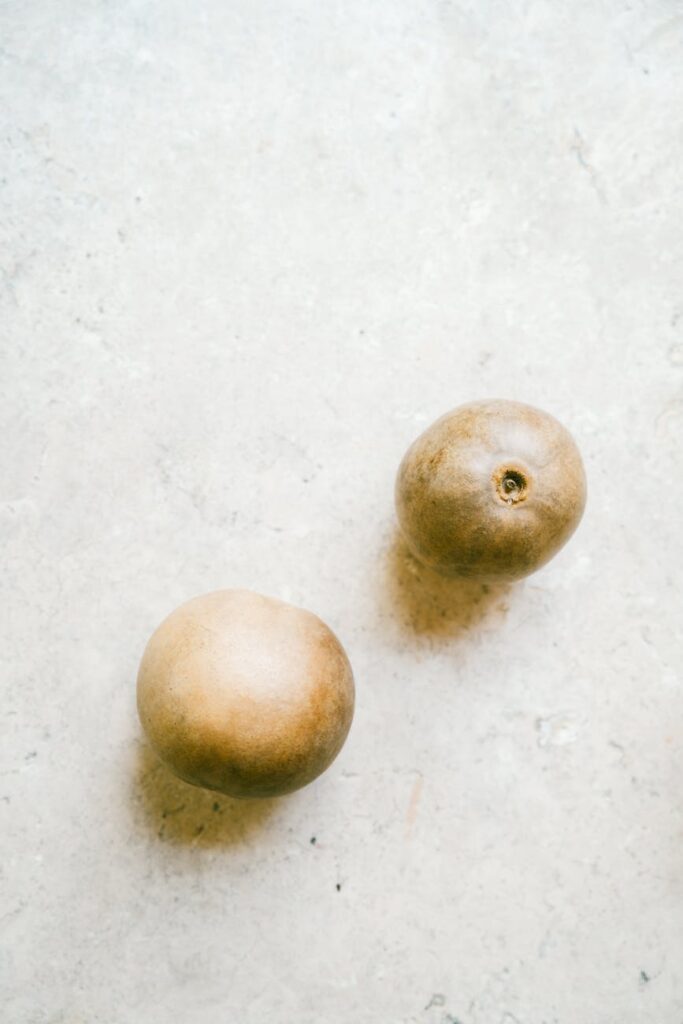
Where to Buy Authentic Jicama
Introduction
Jicama, often referred to as the “Mexican turnip,” is a crisp, sweet, and versatile root vegetable that has gained popularity worldwide for its unique flavor and texture. This article will explore the various aspects of buying authentic jicama, including its history, production, quality grading, and storage considerations. Whether you’re a culinary professional or a home cook, understanding where and how to buy jicama will enhance your culinary repertoire.
What Is Buying?
Buying, in the context of food ingredients, refers to the process of sourcing and purchasing specific items for culinary use. This process can encompass a range of considerations, including selecting the right variety, assessing quality, understanding seasonal availability, and identifying reputable suppliers. For jicama, a root vegetable that has specific growing conditions and seasonal availability, informed buying practices are essential to ensure you acquire the best quality produce.
History and Origins
Jicama, scientifically known as Pachyrhizus erosus, is native to Mexico and Central America. It has been cultivated for centuries, with its origins tracing back to the Aztecs who valued it as a food source. The vegetable was introduced to Asia in the 16th century by Spanish explorers and has since become popular in various culinary traditions, particularly in countries like the Philippines, China, and Thailand. The name “jicama” is derived from the Nahuatl word “xicama,” which refers to its edible tuber.
Production and Processing
Jicama is primarily grown in warm climates, thriving in well-drained, sandy soils. Major producers include Mexico, the United States, and several countries in Southeast Asia. The growing season typically lasts from spring through autumn, with harvest occurring approximately five to six months after planting.
Once harvested, jicama undergoes minimal processing. It is typically washed, trimmed, and sometimes peeled before being packaged for distribution. Unlike many other vegetables, jicama does not require refrigeration during transport, making it relatively easy to distribute to markets worldwide.
Quality and Grading
When purchasing jicama, it’s essential to understand the quality indicators. Quality jicama should be firm to the touch, with unblemished skin that ranges from light brown to beige. The flesh should be white and crisp, indicating freshness. Signs of spoilage include soft spots, discoloration, or a wrinkled appearance.
Grading systems for jicama may vary by region, but consumers should look for jicama labeled as “U.S. No. 1” or equivalent, which denotes high-quality produce. When buying from farmers’ markets or specialty shops, inquire about the source of the jicama and its harvesting practices to ensure optimal quality.
Buying Considerations
Where to Buy
1. Supermarkets: Most large supermarkets carry jicama, particularly in areas with diverse culinary offerings. Look for it in the produce section, often near other root vegetables.
2. Farmers’ Markets: Purchasing directly from local farmers can provide access to fresher, in-season jicama. This option also allows consumers to ask questions about growing practices and varieties.
3. Specialty Stores: Ethnic grocery stores, especially those focusing on Latin American or Asian cuisine, often carry a variety of jicama. These stores may also offer different sizes and organic options.
4. Online Retailers: Many online grocery services now offer jicama for delivery. This option is particularly convenient for those who may not have access to fresh produce markets.
Seasonal Availability
Jicama is typically available year-round, but it is best to purchase it in the late summer and early fall when it is in season. Buying in-season not only ensures peak freshness but also supports local farmers.
Variety Selection
While jicama is generally consistent in flavor and texture, there are different varieties, including the white jicama, which is most common, and the purple jicama, known for its vibrant color and slightly sweeter taste. When buying, consider the intended use; for salads, a firmer variety may be preferred, while sweeter varieties can enhance stir-fries or salsas.
Uses and Applications
Jicama is a versatile ingredient commonly used in salads, slaws, and as a standalone snack. Its crunchy texture makes it an excellent substitute for water chestnuts in stir-fries or as a vessel for dips. Additionally, jicama can be pickled or marinated, offering a refreshing contrast to richer flavors.
In many cultures, jicama is enjoyed raw, often served with lime juice and chili powder, highlighting its natural sweetness. It is also gaining traction in health-conscious circles due to its low-calorie content and high fiber levels, making it an ideal ingredient for weight management.
Storage and Shelf Life
To maximize the shelf life of jicama, store it in a cool, dry place away from direct sunlight. It is best kept in a breathable bag or container to prevent moisture retention, which can lead to rot. When stored properly, jicama can last for several weeks.
Once cut, jicama should be wrapped tightly and stored in the refrigerator, where it can remain fresh for about a week. If you notice any signs of spoilage, such as softening or mold, it is essential to discard the affected portions to prevent contamination.
Common Misconceptions
Despite its increasing popularity, jicama is often misunderstood. One common misconception is that it can be eaten raw in large quantities without any adverse effects. While jicama is safe to eat raw, it should be consumed in moderation, as excessive intake can cause digestive discomfort for some individuals.
Another misconception is that jicama is a starchy vegetable similar to potatoes. In reality, jicama is low in carbohydrates and calories, making it a healthy alternative