
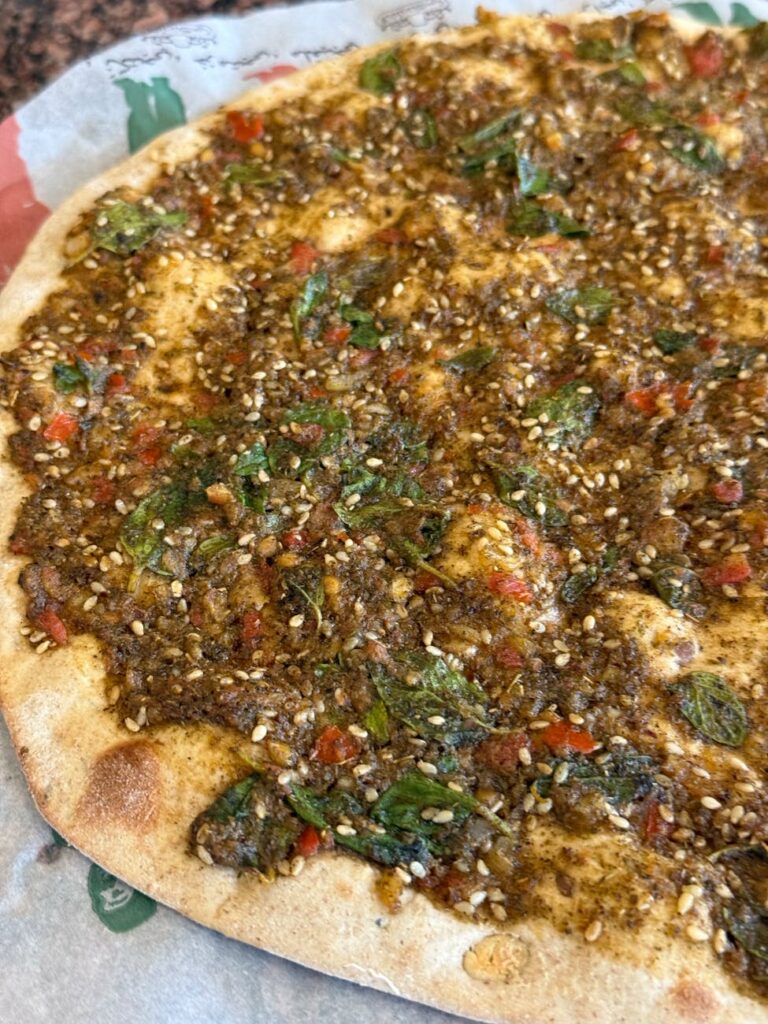
Where to Buy Authentic Lebanese Bread
Introduction
Lebanese bread, known as “pita” or “khubz,” is an essential staple in Lebanese cuisine and a key component of various Middle Eastern dishes. Its unique texture, flavor, and versatility make it a favorite among food enthusiasts worldwide. This article serves as a comprehensive guide for those looking to purchase authentic Lebanese bread, exploring its history, production methods, quality considerations, and more.
What Is Buying?
In the context of Lebanese bread, “buying” refers to the process of sourcing and acquiring high-quality, authentic products. This encompasses not only the physical act of purchasing but also understanding the nuances of what constitutes genuine Lebanese bread. Factors such as ingredients, production methods, and regional authenticity play significant roles in the buying process.
History and Origins
Lebanese bread has ancient roots, tracing back to the early civilizations of the Levant region. Traditionally made from wheat flour, water, and salt, it is leavened with yeast, creating a light and airy texture. This bread was historically baked in communal ovens, fostering a sense of community among villagers. The bread’s round shape and pocket-like structure, which emerged from high-temperature baking, allowed it to serve various culinary purposes, from wrapping savory fillings to acting as a utensil for scooping dips like hummus and baba ghanoush.
With the spread of Lebanese diaspora communities around the globe, the appreciation for authentic Lebanese bread has grown, leading to a burgeoning market for these products outside Lebanon.
Production and Processing
The production of authentic Lebanese bread involves several key steps:
1. Ingredient Selection: The foundation of quality Lebanese bread lies in the choice of ingredients. High-protein wheat flour, water, yeast, and salt are essential. Some bakers may incorporate additional ingredients like olive oil for enhanced flavor.
2. Dough Preparation: The ingredients are mixed to form a smooth dough, which is then allowed to rise. This fermentation process is crucial for developing the bread’s characteristic texture.
3. Shaping: Once the dough has risen adequately, it is divided into smaller portions and shaped into rounds. The thickness can vary, but authentic Lebanese bread typically has a thickness of about 5-7 mm.
4. Baking: The shaped dough is baked in a high-temperature oven, often a traditional taboon or stone oven. This method produces the bread’s signature puffiness and creates the pocket that makes it ideal for stuffing.
5. Cooling and Packaging: After baking, the bread is cooled to preserve its texture before being packaged. Authentic Lebanese bread is often sold fresh but can also be found frozen.
Quality and Grading
When purchasing Lebanese bread, understanding quality indicators is vital. Authentic bread should have the following characteristics:
- Texture: Look for a soft, pliable texture that springs back when pressed. The bread should not be overly dry or crumbly.
- Color: A light golden hue indicates proper baking. Darker bread may signify overcooking or the use of lower-quality ingredients.
- Smell: Freshly baked bread emits a warm, inviting aroma that should not be overshadowed by artificial preservatives or additives.
- Ingredients: Authentic Lebanese bread consists principally of whole ingredients without additives or preservatives. Always check the ingredient list.
- Wraps and Sandwiches: Use it to create wraps filled with grilled meats, vegetables, or falafel.
- Dips and Spreads: Serve it alongside traditional dips like hummus, muhammara, or labneh, allowing it to act as a scoop.
- Pizzas and Flatbreads: Top it with ingredients of your choice to make a quick pizza or flatbread dish.
- Bread Crumbs: Stale Lebanese bread can be processed into breadcrumbs for use in various recipes.
- Freezing: Wrap the bread tightly in plastic wrap or aluminum foil, ensuring no air gets in. It can last for up to three months in the freezer. To use, simply thaw at room temperature or heat in the oven.
- Reheating: To rejuvenate the texture, briefly warm the bread in a hot oven or on a skillet before serving.
Buying Considerations
When looking to buy Lebanese bread, consider the following:
1. Local Bakeries: Seek out Lebanese or Middle Eastern bakeries in your area. These establishments often use traditional methods and recipes, ensuring that the bread is authentic.
2. Ethnic Grocery Stores: Many ethnic grocery stores carry Lebanese bread, especially in areas with a significant Middle Eastern population. Look for products labeled as “pita” or “khubz.”
3. Online Retailers: Several online platforms specialize in Middle Eastern ingredients, including Lebanese bread. Ensure that the seller has a good reputation and positive reviews.
4. Farmers’ Markets: Some artisanal bakers at farmers’ markets may offer authentic Lebanese bread made from high-quality ingredients. This option often supports local businesses.
5. Frozen Options: If fresh bread is not available, consider purchasing frozen Lebanese bread. Many brands freeze their products immediately after baking, preserving freshness.
6. Bulk Purchases: If you consume Lebanese bread regularly, consider bulk purchasing. This option is often more economical and ensures you always have bread on hand.
Uses and Applications
Lebanese bread is incredibly versatile, serving various culinary purposes:
Storage and Shelf Life
To maintain freshness, store Lebanese bread in a cool, dry place, ideally in a sealed bag. It can be kept at room temperature for up to three days. For longer storage, consider freezing the bread.
Common Misconceptions
1. All Pita Bread Is the Same: Many people assume that all pita bread is identical, but Lebanese bread has unique characteristics, including its thickness and texture, which set