
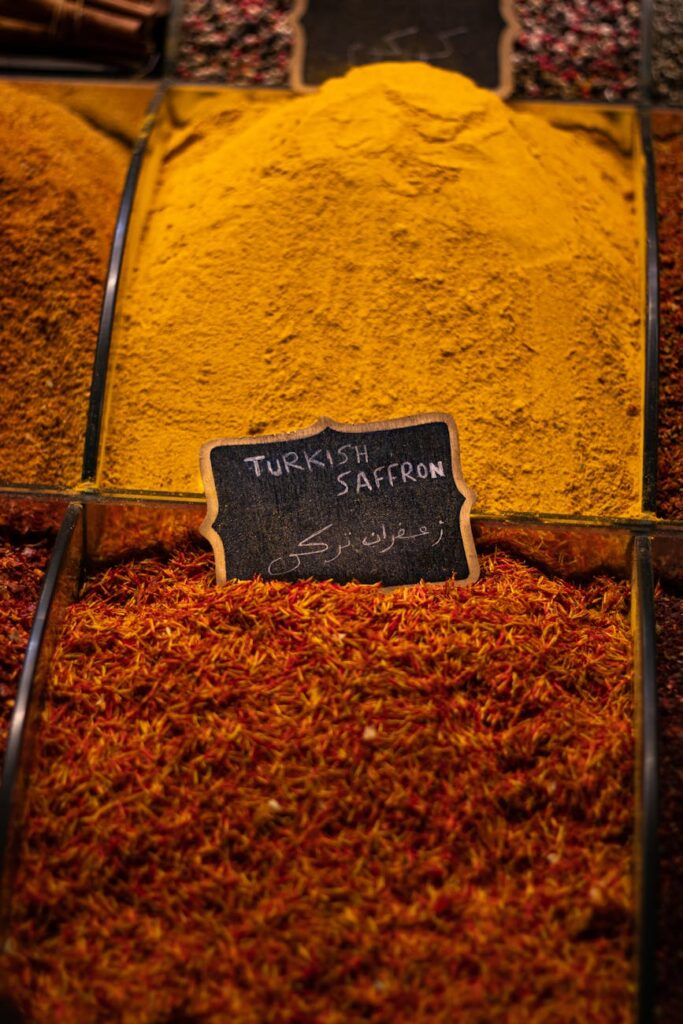
Where to Buy Authentic Saffron
Introduction
Saffron, often dubbed the “golden spice,” is one of the most sought-after ingredients in culinary arts due to its unique flavor, vibrant color, and aromatic properties. This spice, derived from the flower of Crocus sativus, comes with a rich history and a complex production process that influences its price and availability. As a consumer, understanding where and how to buy authentic saffron can enhance your culinary experiences and ensure that you are investing in quality.
What Is Buying?
Buying refers to the process of acquiring a product or service in exchange for money or other forms of value. In the context of saffron, buying encompasses various considerations, such as identifying authentic sources, understanding grading systems, and recognizing quality indicators. The act of purchasing saffron extends beyond mere transaction; it involves an appreciation of its origins, production methods, and the factors that contribute to its uniqueness.
History and Origins
Saffron has a storied history that dates back over 3,000 years. Its origins are often traced to the Mediterranean region, particularly in the areas now known as Iran, Greece, and Turkey. Ancient civilizations used saffron not only for culinary purposes but also for medicinal and ceremonial uses. The spice made its way along trade routes, gaining popularity in various cultures and cuisines.
Persian, Indian, and Arabic cultures have played significant roles in the cultivation and utilization of saffron. In Persia, saffron was considered a luxury item, often reserved for royalty. The spice’s uses expanded throughout Europe in the Middle Ages, where it was employed in both cooking and dyeing fabrics. Today, Iran remains the largest producer of saffron, accounting for over 90% of the global supply.
Production and Processing
The production of saffron is labor-intensive and requires specific climatic conditions—namely, well-drained soil and a temperate climate. The saffron crocus blooms in the fall, and the delicate red stigmas must be hand-harvested during a narrow window of time, usually early in the morning. Each flower produces only three stigmas, making the process painstakingly meticulous.
Once harvested, the stigmas are dried to preserve their flavor and aroma. The quality of saffron is heavily influenced by this drying process, where improper techniques can lead to loss of potency and flavor. Authentic saffron is typically dried slowly, ensuring that its essential oils are retained.
Quality and Grading
Understanding saffron quality is crucial when making a purchase. Saffron is graded based on several factors, including color, aroma, and taste. The most commonly used grading system includes:
1. Grade A (Super Negin): The highest quality, characterized by long, reddish stigmas with a strong aroma and flavor.
2. Grade B (Negin): Slightly shorter stigmas than Grade A, but still of high quality.
3. Grade C (Sargol): Contains broken pieces and is often less potent than higher grades.
4. Grade D (Pushal): This grade includes the whole flower style and is of lower quality.
It is essential to purchase saffron that is labeled with these grades, as it provides insight into the product’s quality. Additionally, saffron that is certified organic or sourced from reputable regions is often a safer choice.
Buying Considerations
When buying saffron, several key considerations can help ensure the authenticity and quality of the product:
1. Source: Always purchase from reputable suppliers. Look for well-known brands or specialty stores that focus on spices.
2. Appearance: Authentic saffron threads are a deep red color, with some yellow hues. Avoid saffron that appears overly bright or has a lot of yellow, as this may indicate low quality.
3. Packaging: Saffron should be stored in airtight containers to protect it from moisture and light. Check for packaging that ensures the product’s integrity.
4. Price: Saffron is one of the most expensive spices due to the labor-intensive harvesting process. If the price seems too good to be true, it likely is.
5. Certification: Look for certifications that assure quality, such as ISO or organic certifications.
6. Taste Test: If possible, sample the saffron before purchasing. Authentic saffron has a distinct floral and earthy flavor.
Uses and Applications
Saffron is a versatile ingredient with diverse applications in cooking and beyond. In culinary contexts, it is commonly used in:
- Rice Dishes: Saffron is famously used in dishes like paella and risotto, imparting a unique flavor and golden hue.
- Baking: Saffron can be incorporated into breads, cakes, and pastries for an exotic touch.
- Beverages: Infused saffron tea or added to cocktails can elevate drinks with its aromatic qualities.
- Traditional Medicine: While not a focus of this article, saffron has historical applications in various traditional medicinal practices.
- Keep it Cool: Store saffron in a cool, dark place away from humidity and light. A tightly sealed glass container is ideal.
- Airtight: Avoid exposure to air, which can degrade the quality of the spice over time.
- Shelf Life: When stored correctly, saffron can last for several years, though its flavor may diminish over time. It is generally recommended to use saffron within two to three years for optimal freshness.
Storage and Shelf Life
Proper storage is essential for maintaining saffron’s potency and flavor. Here are a few guidelines:
Common Misconceptions
1. All Saffron Is the Same: Not all saffron is created equal; differences in origin, quality, and grading can significantly affect flavor and price.
2. Saffron Is Only for Special Occ