
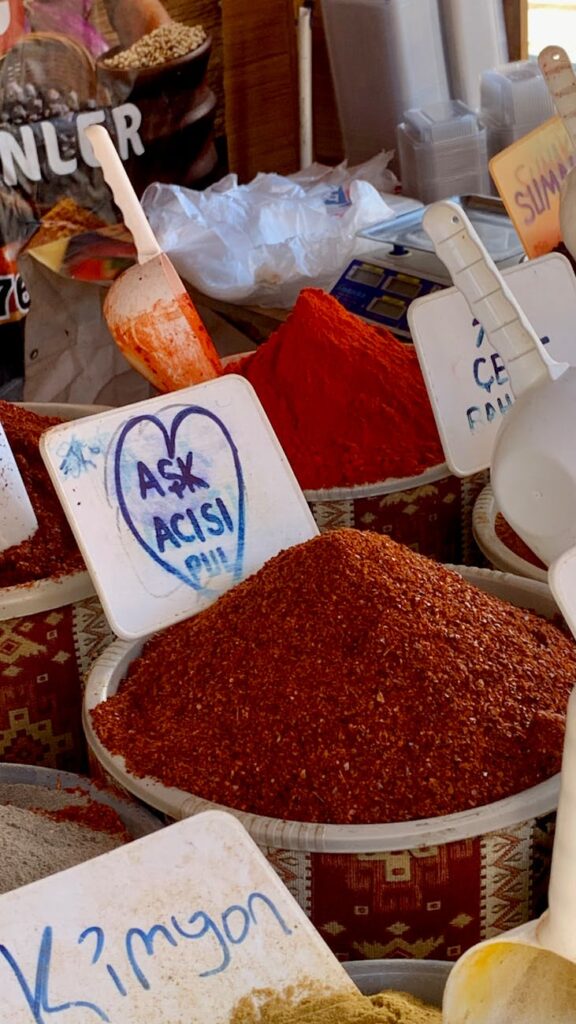
Where to Buy Authentic Sumac
Introduction
Sumac, a vibrant red-purple spice, has gained popularity in culinary circles for its tangy, lemony flavor and vibrant color. Traditionally used in Middle Eastern and Mediterranean cuisines, this spice is often overlooked in Western cooking. As its culinary appeal continues to grow, so does the interest in sourcing authentic sumac. This article serves as a comprehensive guide to buying sumac, exploring its origins, production, quality considerations, and more.
What Is Buying?
In the context of food ingredients, “buying” refers to the process of sourcing and purchasing food products, particularly those that are unique or specialty items. This involves understanding the market, identifying reputable suppliers, and ensuring that the quality of the product meets culinary standards. When it comes to sumac, buying authentic products is crucial for ensuring that you are getting the genuine flavor and quality associated with this spice.
History and Origins
Sumac has a rich history that spans thousands of years. The word “sumac” is derived from the Arabic term “summaq,” meaning “red”—a reference to the deep crimson hue of its dried berries. Historically, sumac has been used as both a culinary and medicinal herb, prized for its flavor and preservative qualities.
Originating in the Mediterranean region, particularly in parts of the Middle East, the use of sumac dates back to ancient civilizations. The spice was traded along the Silk Road and has been featured in various culinary traditions, from Lebanese za’atar to Persian dishes. Understanding this historical context can enhance your appreciation for the spice and inform your purchasing decisions.
Production and Processing
The production of sumac begins with the harvesting of the berries from the sumac plant, which belongs to the Rhus genus. These berries are red and grow in dense clusters. Once harvested, the berries are dried to preserve their flavor and color.
The drying process is critical; traditional methods often involve sun-drying, which helps lock in the berry’s natural tartness. Once dried, the berries are ground into a fine powder or left whole, depending on the intended use. Authentic sumac is typically produced in regions with a suitable climate for the sumac plant, such as Turkey, Iran, and Lebanon.
When sourcing sumac, it is essential to be aware of the production methods, as the quality can vary significantly based on how the berries are processed. Look for suppliers who adhere to traditional production practices to ensure authenticity.
Quality and Grading
The quality of sumac can vary based on several factors, including the species of the sumac plant, the growing conditions, and the processing methods. When buying sumac, consider the following grading criteria:
1. Color: Authentic sumac should exhibit a deep red or purple hue. This indicates that the berries were properly harvested and dried.
2. Aroma: High-quality sumac will have a strong, tangy aroma. If the spice lacks fragrance, it may be old or improperly processed.
3. Texture: The texture should be fine and powdery if ground, without any lumps or moisture content.
4. Flavor: Authentic sumac should deliver a tart, lemony flavor. Be wary of products that taste bland or overly bitter.
5. Origin: Knowing the source of the sumac can provide insights into its quality. Products from reputable regions known for high-quality sumac, such as Turkey or Lebanon, are generally more desirable.
Buying Considerations
When purchasing sumac, several considerations can help ensure that you are getting an authentic product:
1. Source: Choose suppliers who specialize in Middle Eastern or Mediterranean spices. Local ethnic markets often carry authentic sumac.
2. Packaging: Look for sumac packaged in opaque containers to protect it from light, which can degrade its quality over time.
3. Certifications: Seek out products with organic or fair-trade certifications, which can indicate a commitment to quality and sustainability.
4. Freshness: Always check the expiration date. Fresh sumac will offer the best flavor and aroma.
5. Reviews and Reputation: Research suppliers or brands and read reviews to gauge the quality of their sumac. Trusted sources are more likely to provide authentic products.
6. Price: While higher prices do not always guarantee better quality, extremely low prices can be a red flag. Authentic sumac typically ranges in price based on quality and sourcing.
Uses and Applications
Sumac is a versatile spice that can be used in various culinary applications. It is commonly sprinkled over salads, grilled meats, and vegetables, adding a bright acidity that enhances the overall flavor of dishes. Additionally, sumac is a key ingredient in za’atar, a popular Middle Eastern spice blend.
It can also be incorporated into marinades, dressings, and dips, such as hummus, to impart a unique tang. Its vibrant color makes it an attractive garnish for a variety of dishes, adding both visual appeal and flavor.
Storage and Shelf Life
To maintain the quality and flavor of sumac, proper storage is essential. Store it in a cool, dry place, away from direct sunlight. An airtight container can help prevent moisture absorption and loss of aroma.
Generally, ground sumac has a shelf life of about one to two years, while whole berries can last longer due to their lower surface area. However, for the best flavor, it is advisable to use sumac within a year of purchase. Always check for signs of spoilage, such as an off smell or changes in color, before use.
Common Misconceptions
1. Sumac is Poisonous: Some people confuse the sumac spice with certain types of sumac plants that are toxic. The culinary sumac (Rhus coriaria) is safe for consumption.
2. All Sumac is the Same: Not all