
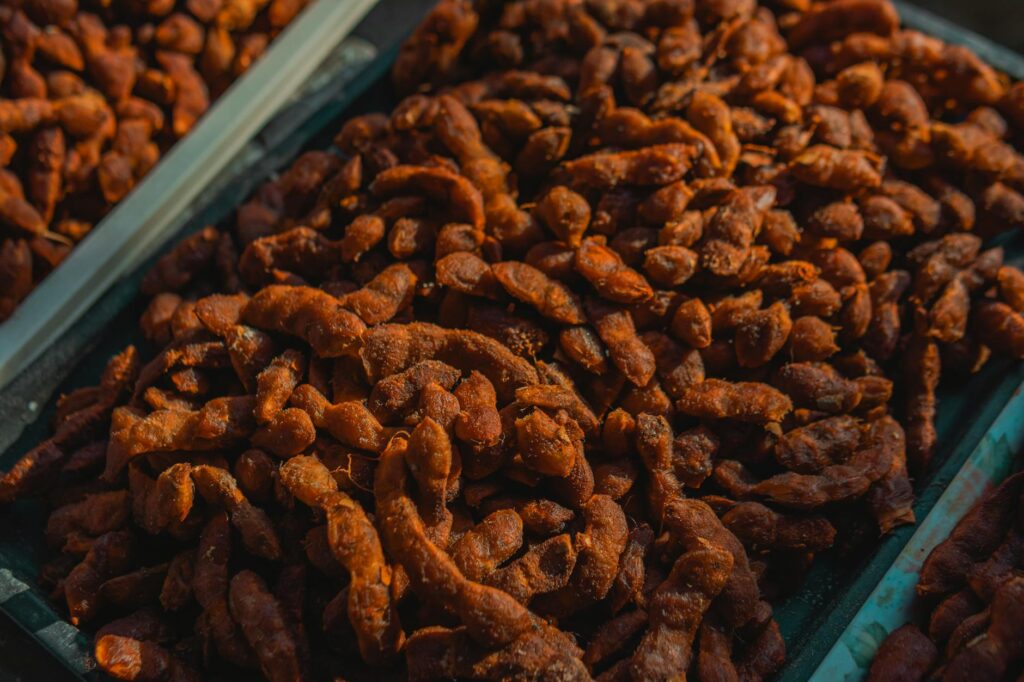
Where to Buy Authentic Tamarind
Introduction
Tamarind, a unique tropical fruit with a sweet and tangy flavor, has gained considerable popularity in culinary traditions worldwide. Its versatility makes it a staple ingredient in various cuisines, from Indian to Mexican. However, not all tamarind products are created equal, and discerning buyers must know where to find authentic tamarind to ensure the highest quality and best flavor for their culinary endeavors. This article explores where to source genuine tamarind, along with essential insights into its history, production, grading, and more.
What Is Buying?
Buying refers to the process of acquiring goods or services in exchange for money, and in the context of food ingredients like tamarind, it involves understanding the various forms and sources available in the market. From fresh tamarind pods to processed tamarind paste, the purchasing process can vary significantly based on the buyer’s needs, location, and the availability of authentic products. To ensure quality, buyers must be well-informed and strategic about their choices.
History and Origins
Tamarind (Tamarindus indica) is a leguminous tree native to Africa but has been cultivated in various tropical and subtropical regions for centuries. Its use dates back to ancient civilizations, where it was valued not only for its culinary applications but also for its preservative qualities. Tamarind spread to India and Southeast Asia, where it became integral to regional cuisines.
Historically, tamarind has played a role in trade routes, making its way to the Americas by the 16th century. Today, it is extensively cultivated in countries like India, Thailand, Mexico, and the Philippines. Understanding the historical context of tamarind can enhance the appreciation of this ingredient and guide buyers toward authentic sources that respect traditional cultivation practices.
Production and Processing
The production of tamarind involves several steps, from harvesting to processing. Tamarind trees grow best in arid and semi-arid conditions, and their fruit typically ripens between March and July. Harvesting is done by hand, and the pods are collected once they turn brown and begin to dry.
After harvesting, tamarind undergoes processing, which can vary based on the intended product:
1. Fresh Tamarind: This form is sold in its natural pod, commonly found in local markets during the fruiting season.
2. Dried Tamarind: The pulp is extracted from the pods, dried, and sold as a solid block or in chunks. This is a popular form in international markets.
3. Tamarind Paste: Often used in cooking, this concentrated form is made by soaking dried tamarind in water to create a thick, flavorful paste.
4. Tamarind Concentrate: A more processed version, this is usually found in bottles and is often used in beverages and sauces.
When purchasing tamarind, it is crucial to consider the production methods, as sustainable practices can affect both quality and flavor.
Quality and Grading
The quality of tamarind is determined by various factors, including taste, color, and moisture content. Buyers should look for the following qualities:
- Color: Authentic tamarind should have a dark brown hue with a slightly glossy appearance. Pale or overly dry tamarind may indicate subpar quality.
- Texture: The pulp should be moist but not overly sticky. It should break apart easily without crumbling.
- Aroma: Fresh tamarind has a distinct, sweet-sour aroma. A lack of fragrance can indicate age or poor processing.
- Taste: Authentic tamarind should have a balanced flavor profile—sweet with a tangy finish.
- Sauces and Condiments: Tamarind is a key ingredient in many sauces, including Worcestershire sauce, chutneys, and salsas. Its tangy flavor enhances the overall taste profile.
- Beverages: Tamarind is often used in drinks, such as aguas frescas in Mexico or tamarind juice in Southeast Asia.
- Savory Dishes: In Indian cuisine, tamarind is used in curries, lentil dishes, and rice preparations. It adds depth and complexity to flavors.
- Desserts: Its unique flavor also finds a place in desserts, where it can be used in sweet sauces or as a flavoring agent in candies.
Grading systems may vary by region, and it is advisable for buyers to familiarize themselves with local standards to ensure the purchase of premium-quality tamarind.
Buying Considerations
When looking to buy tamarind, several considerations can guide your purchasing decisions:
1. Source: Local markets, specialty stores, and online retailers are common sources for tamarind. Buyers should seek reputable vendors known for high-quality products.
2. Form: Decide whether you need fresh pods, dried pieces, paste, or concentrate. Each form has its applications and shelf life.
3. Organic vs. Conventional: Organic tamarind is cultivated without synthetic pesticides or fertilizers. For those seeking sustainable options, organic products are preferable.
4. Country of Origin: Different regions produce varying flavors of tamarind. For example, Mexican tamarind is often sweeter, while Indian tamarind may have a more pronounced tang. Understanding the regional profiles can enhance culinary applications.
5. Price: Authentic tamarind may be more expensive than imitation products. Buyers should be cautious of significantly lower prices that may indicate poor quality or counterfeit products.
6. Packaging: For dried tamarind or paste, ensure that the packaging is intact to maintain freshness. Look for products with clear labeling of ingredients and production dates.
Uses and Applications
Tamarind is a versatile ingredient used in various culinary applications:
Understanding the diverse uses of tamarind can help buyers select the right form and grade for