
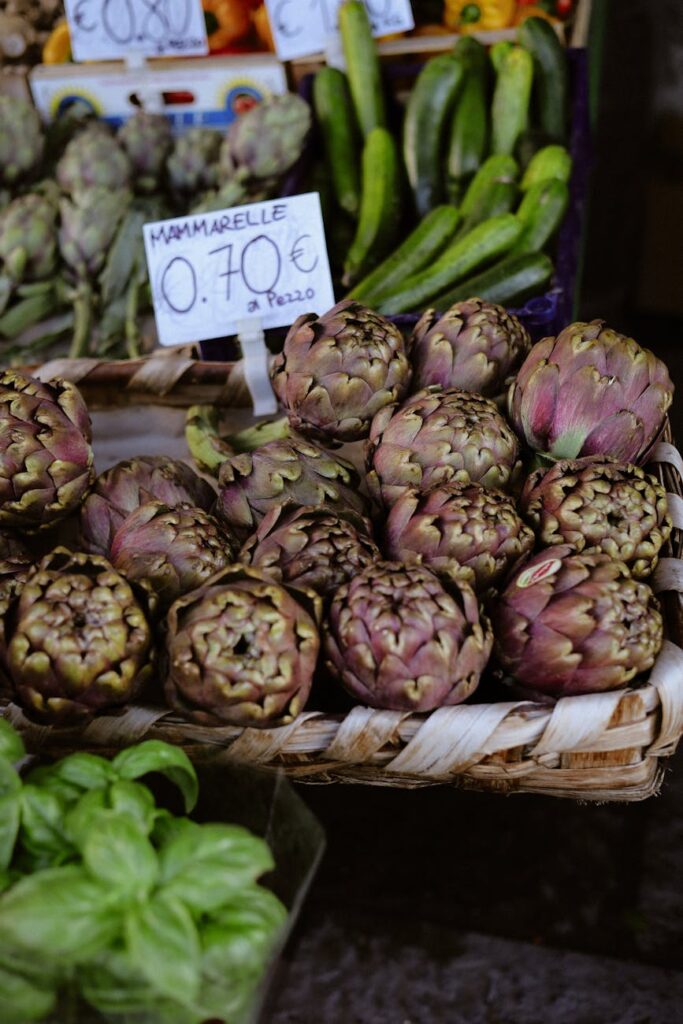
Why Is Artichoke So Expensive?
Introduction
Artichokes, with their unique appearance and distinctive flavor, have captivated culinary enthusiasts around the globe. However, their price point often raises eyebrows. This article delves into the multifaceted reasons behind the high cost of artichokes, covering everything from their historical significance and production challenges to quality grading and common misconceptions.
What Is About?
Artichokes, scientifically known as Cynara scolymus, are a type of thistle that belongs to the Asteraceae family. While commonly recognized as a vegetable, artichokes are actually the edible buds of the plant before they bloom. Their tender, fleshy leaves and heart are prized in various cuisines, particularly in Mediterranean and Middle Eastern dishes. The artichoke plant can grow up to 6 feet tall and produces stunning purple flowers when allowed to fully bloom, adding an aesthetic dimension to their culinary appeal.
History and Origins
The artichoke’s history dates back to ancient times. Native to the Mediterranean region, artichokes were cultivated by the ancient Greeks and Romans, who valued them not only for their taste but also for their purported medicinal properties. The vegetable made its way to France and England through trade routes in the 16th century, eventually becoming a staple in European cuisine.
In the 20th century, artichokes gained popularity in the United States, particularly in California, which now produces about 100% of the country’s artichoke supply. The state’s unique climate and soil conditions are ideal for growing this delicate vegetable, further contributing to its premium status in the market.
Production and Processing
The production of artichokes is labor-intensive, contributing significantly to their cost. These plants thrive in specific climatic conditions and require extensive care throughout their growth cycle, which can take anywhere from 6 to 12 months.
Growing Conditions
Artichokes prefer well-drained, fertile soil and need a climate that offers mild winters and moderate summers. They are particularly susceptible to temperature fluctuations and pests, making them more challenging to cultivate than many other vegetables.
Harvesting
The harvesting process is another factor in the expense. Unlike many crops that can be mechanically harvested, artichokes are typically picked by hand. Workers must carefully select the right size buds, as harvesting too early or too late can ruin the quality. This labor-intensive process results in higher labor costs, which are subsequently passed on to consumers.
Processing
After harvesting, artichokes must be quickly processed to maintain their freshness. They are often washed, trimmed, and packaged, sometimes requiring additional steps like blanching or freezing. The need for swift processing to ensure quality adds another layer of expense to the final product.
Quality and Grading
The quality of artichokes plays a significant role in determining their price. Artichokes are graded based on size, color, and overall appearance. Higher grades—characterized by larger, more vibrant buds—command premium prices in the market.
Grading Criteria
1. Size: Larger artichokes are often more desirable, as they yield more edible portions.
2. Color: Fresh artichokes should display a vibrant green hue; discoloration may indicate age or poor quality.
3. Tightness of Buds: Tight, compact buds signify freshness, while loose leaves can suggest overripeness.
Artichokes that meet these criteria are likely to be more expensive due to their higher perceived value among chefs and consumers alike.
Buying Considerations
When purchasing artichokes, several factors can influence the price:
Seasonality
Artichokes are typically in season from March to May in the Northern Hemisphere. Prices may fluctuate based on seasonal availability, with off-season artichokes often commanding higher prices due to increased import costs.
Source
Locally grown artichokes may be less expensive than imported varieties, especially if purchased directly from farmers’ markets. However, the quality may vary, and consumers should be discerning in their selections.
Organic vs. Conventional
Organic artichokes tend to be more expensive due to the increased costs associated with organic farming practices. Consumers often pay a premium for the assurance of pesticide-free produce, contributing to the overall price.
Uses and Applications
Artichokes are versatile ingredients that can be used in various culinary applications. They are commonly found in salads, pasta dishes, dips, and as a standalone side dish. The heart of the artichoke is especially prized for its rich flavor and tender texture, making it a favorite in gourmet cuisine.
Culinary Applications
1. Appetizers: Artichokes can be marinated or served with dips.
2. Entrees: Stuffed artichokes can serve as a main course.
3. Garnishes: Artichoke hearts often elevate the presentation of salads and seafood dishes.
Their unique flavor profile and texture make them a sought-after ingredient, further driving demand and price.
Storage and Shelf Life
Proper storage is crucial for maintaining the freshness and quality of artichokes. When kept at room temperature, artichokes can last for about a day before wilting. However, refrigeration can extend their shelf life.
Refrigeration
When stored in the refrigerator, artichokes can last up to a week. For optimal freshness, wrap them in a damp paper towel and place them in a perforated plastic bag. This method helps maintain moisture levels while allowing for adequate airflow.
Freezing
While freezing artichokes can be done, it often requires blanching them first. This process can alter their texture, making them less desirable for certain culinary applications.
Common Misconceptions
Despite their popularity, several misconceptions about artichokes contribute to misunderstandings regarding their pricing.
They Are Only for Gourmet Cooking
Many believe artichokes are only suitable for high-end dishes. In reality, they can be integrated into everyday meals, making them accessible for home cooks.
They Are Always Expensive
While artichokes can be pricey, prices fluctuate seasonally and can be more affordable when purchased directly from local producers.
All Artichokes Are the Same
Not all artichokes are created equal. Varieties like the Globe and Baby artichokes differ in size, flavor, and culinary applications, affecting their market price.
Frequently Asked Questions
1. Why are artichokes so expensive?
Artichokes are expensive due to their labor-intensive cultivation, seasonal availability, and the meticulous grading process that determines their quality.
2. How can I tell if an artichoke is fresh?
Fresh artichokes should have tightly closed buds, vibrant green color, and a firm texture. Avoid artichokes with brown spots or loose leaves.
3. Are there different types of artichokes?
Yes, there are various types, including Globe, Baby, and Jerusalem artichokes. Each type has unique characteristics and culinary uses.
4. Can I freeze artichokes?
Yes, but freezing usually requires blanching them first, which can change their texture. Fresh artichokes are typically preferred for most culinary applications.
5. How should I store artichokes?
Store artichokes in the refrigerator wrapped in a damp paper towel inside a perforated plastic bag to maintain freshness for up to a week.
6. What are some common uses for artichokes?
Artichokes can be used in salads, dips, pastas, and as side dishes. They are also popular as a gourmet ingredient in various cuisines.
Conclusion
The intricate tapestry of factors contributing to the high cost of artichokes encompasses historical significance, production challenges, quality grading, and market dynamics. As culinary interest continues to grow, understanding these elements can enrich your appreciation for this unique ingredient while shedding light on why it commands such a premium price. Whether enjoyed in a high-end restaurant or prepared at home, artichokes remain a testament to the complexities of food production and the artistry of cooking.