
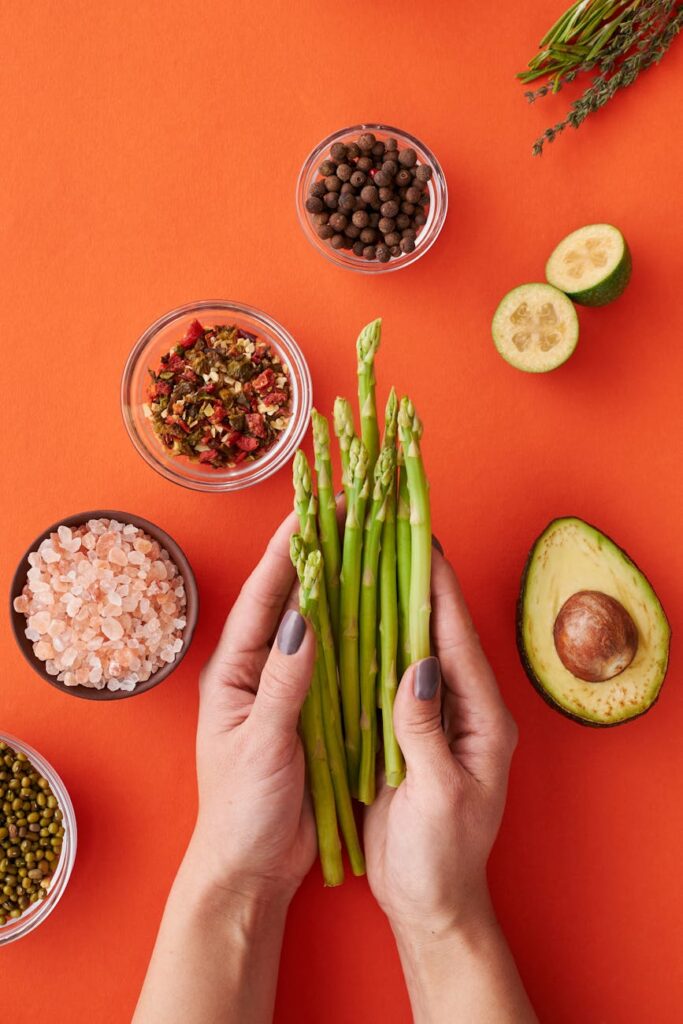
Why Is Asparagus So Expensive?
Introduction
Asparagus, a vibrant and nutrient-rich vegetable, has established itself as a staple in gourmet cuisine and a favorite among health-conscious eaters. However, its often-high price tag can leave consumers questioning why this seemingly simple vegetable commands such costs. This article delves into the multifaceted reasons behind the expense associated with asparagus, exploring its history, production practices, quality grading, and more.
What Is Asparagus?
Asparagus (Asparagus officinalis) is a perennial flowering plant belonging to the lily family, known for its long stalks and delicate, fern-like foliage. It is typically harvested in the spring and is celebrated for its unique flavor profile, which can range from sweet to earthy. Asparagus is also renowned for its nutritional benefits, being low in calories while high in vitamins A, C, E, and K, as well as folate and dietary fiber. The vegetable is available in various colors, including green, purple, and white, each offering distinct culinary applications and tastes.
History and Origins
Asparagus has a storied history that dates back thousands of years. Originating in the Mediterranean region, it was cultivated by the ancient Egyptians, Greeks, and Romans. The Romans famously referred to asparagus as “food for the gods,” highlighting its esteemed status in ancient culinary traditions. The vegetable spread across Europe and eventually made its way to North America with European settlers in the 17th century.
Throughout its history, asparagus has been associated with nobility and luxury. In medieval Europe, it was served at royal banquets, and its cultivation became a symbol of wealth. Its enduring popularity can be attributed to its unique taste, nutritional value, and its relatively short growing season, which creates a sense of urgency to enjoy it fresh.
Production and Processing
One of the primary reasons for the high price of asparagus is the labor-intensive nature of its cultivation and harvesting. Asparagus is typically grown in sandy, well-drained soils, requiring specific conditions that can limit where it can be cultivated. The plant takes three years to establish before it can be harvested, resulting in a relatively slow return on investment for farmers.
Harvesting asparagus is an arduous task that is predominantly done by hand. Asparagus spears must be cut precisely at the right moment—when they are still tender and before they reach maturity. This requires skilled labor and can be labor-intensive, particularly during the peak season, which lasts only a few weeks in many regions. The need for prompt harvesting to ensure freshness further drives up costs, as delays can result in the spears becoming too tough for consumption.
After harvesting, asparagus undergoes a series of processing steps, including cleaning, sorting, and packaging. These processes must be completed quickly to preserve the vegetable’s quality and flavor, adding additional labor and logistical costs to the final price.
Quality and Grading
The quality of asparagus is another significant factor that influences its market price. The grading system for asparagus takes into account several factors, including size, color, and texture. Higher-quality asparagus is typically thicker, more vibrant in color, and free from blemishes or softness. Asparagus is commonly sold in grades such as “Extra Fancy,” “Fancy,” and “No. 1,” with the highest grades commanding premium prices.
Additionally, the time from harvest to market is crucial for maintaining asparagus’s quality. Asparagus is highly perishable, and its flavor and texture can degrade significantly within days of being cut. The rapid transit to markets, whether local or international, adds further logistical expenses that are often reflected in retail prices.
Buying Considerations
When purchasing asparagus, several factors can influence the price. Seasonal availability is a primary consideration; asparagus is generally harvested in the spring, and prices may fluctuate based on regional harvests and supply levels. Out-of-season asparagus, often imported from countries with different growing cycles, tends to be more expensive due to shipping costs and longer storage times, which can affect freshness.
The size and appearance of the asparagus also play a role in pricing. Thicker stalks are often perceived as being of higher quality and command higher prices. Consumers should also consider buying directly from local farmers’ markets, which can offer fresher and sometimes less expensive options compared to supermarkets, where prices may reflect additional supply chain costs.
Uses and Applications
Asparagus is a versatile ingredient that can be used in a wide array of culinary applications. It can be steamed, grilled, roasted, or sautéed and is often featured in salads, pastas, and side dishes. Its unique flavor pairs well with various ingredients, from citrus and garlic to cheeses and meats, making it a favorite in both home cooking and professional kitchens.
Furthermore, asparagus’s aesthetic appeal makes it a popular choice for plating in fine dining settings. Its vibrant color and elegant shape add visual interest to dishes, enhancing the overall dining experience.
Storage and Shelf Life
Proper storage is critical to maintaining the freshness and quality of asparagus. When stored correctly, asparagus can last about 3 to 4 days in the refrigerator. To prolong its shelf life, it is advisable to treat asparagus like cut flowers: trim the ends and place the spears upright in a container with a small amount of water, covering the tops loosely with a plastic bag.
For longer-term storage, asparagus can be blanched and frozen, though this process may alter its texture and flavor. Fresh asparagus is best enjoyed shortly after harvest to capture its peak flavor and nutritional benefits.
Common Misconceptions
Despite its reputation as an expensive vegetable, there are several misconceptions surrounding asparagus:
1. All Asparagus Is Expensive: While premium asparagus can be pricey, there are budget-friendly options available, especially when purchased in season or from local sources.
2. Only Green Asparagus Is Edible: Many consumers are unaware that asparagus comes in various colors, including purple and white, each offering unique flavors and culinary uses.
3. Asparagus Is Only for Fine Dining: Although often featured in upscale restaurants, asparagus can be easily incorporated into everyday meals, making it accessible to home cooks.
4. Asparagus Is Difficult to Prepare: Many assume that asparagus requires complex cooking techniques, but it can be simply steamed, roasted, or grilled with minimal preparation.
5. Freshness Doesn’t Matter: Asparagus is highly perishable, and its flavor significantly diminishes with time. Consumers should prioritize freshness when selecting asparagus.
Frequently Asked Questions
1. Why is asparagus considered a luxury vegetable?
Asparagus is often viewed as a luxury vegetable due to its labor-intensive harvesting process, limited growing season, and high-quality standards that contribute to its elevated market price.
2. How can I tell if asparagus is fresh?
Fresh asparagus should have bright green or purple stalks, firm texture, and closed tips. Avoid any spears that appear limp, shriveled, or have opened tips.
3. Is there a difference between green, white, and purple asparagus?
Yes, the color differences in asparagus are due to how they are grown. Green asparagus is exposed to sunlight, which allows chlorophyll to develop. White asparagus is grown without light, resulting in a milder flavor, while purple asparagus has a sweeter taste and is often more tender.
4. Can asparagus be grown at home?
Yes, asparagus can be cultivated in home gardens, though it requires patience as it takes several years to establish before the first harvest. Proper soil preparation and care are essential for successful growth.
5. What is the best way to cook asparagus?
Asparagus can be enjoyed in various ways, including steaming, grilling, or roasting. The best method depends on personal preference and the desired flavor profile. Cooking should be minimal to preserve its natural taste and texture.
6. How should I store asparagus to keep it fresh?
To maintain freshness, store asparagus upright in a container with a small amount of water, covering the tops with a plastic bag. Alternatively, wrap the ends in a damp paper towel and place them in a plastic bag in the refrigerator.
Conclusion
The high price of asparagus is influenced by a combination of factors, including its labor-intensive production, strict quality grading, and rapid perishability. Understanding the complexities behind its cultivation and processing can help consumers appreciate the value of this exquisite vegetable. By considering the factors discussed in this article, buyers can make informed choices and enjoy asparagus in its prime, whether on their dining table or in gourmet dishes.