
Why Is Bok Choy So Expensive?
Introduction
Bok choy, a leafy green vegetable belonging to the Brassica family, has gained immense popularity in various cuisines around the world, particularly in Asian dishes. While it is celebrated for its versatility, flavor, and nutritional benefits, many consumers have noticed that its price can be surprisingly high compared to other vegetables. This article aims to explore the various factors that contribute to the expense of bok choy, providing a comprehensive understanding of this cherished ingredient.
What Is Bok Choy?
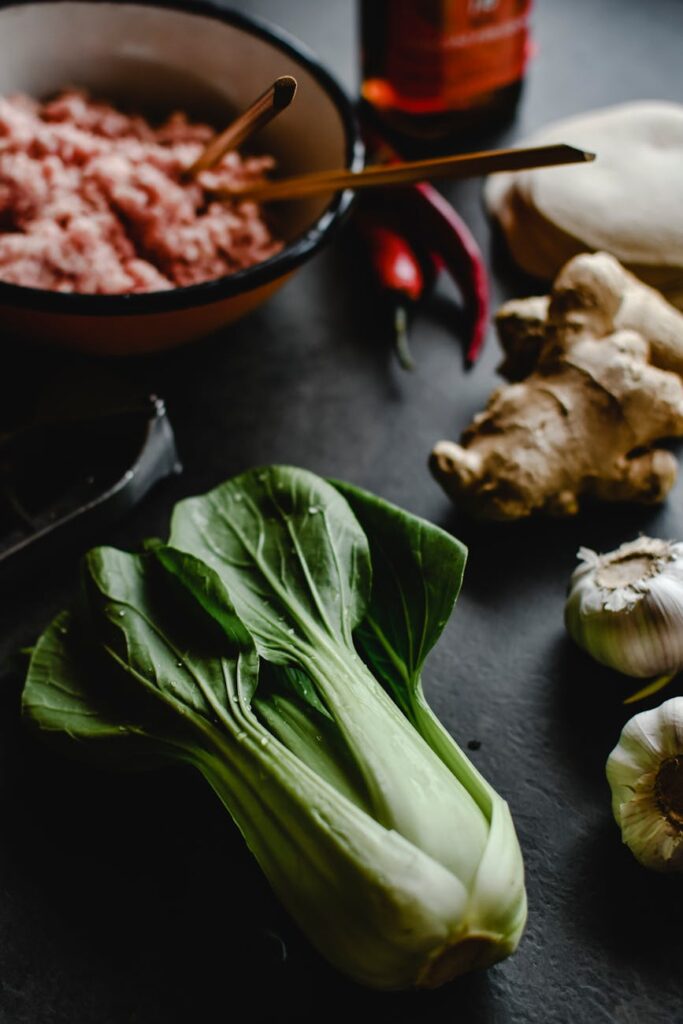
Bok choy, also known as Chinese cabbage, is characterized by its dark green leaves and crisp, white stems. It is a member of the Brassica rapa species and is closely related to other cruciferous vegetables such as cabbage, kale, and broccoli. The vegetable is typically harvested at a young age to ensure tenderness and a mild flavor. Its culinary applications are vast, ranging from stir-fries and soups to salads and steamed dishes.
History and Origins
Bok choy has a rich history that dates back over 5,000 years. Originating in China, it was cultivated for both its edible leaves and seeds. The word “bok” means “white,” and “choy” translates to “vegetable” in Cantonese, highlighting its significance as a staple in Chinese cuisine. Over the centuries, bok choy has spread across Asia and eventually to the Western world, where it is now embraced for its unique taste and nutritional profiles.
The growing popularity of bok choy can be credited to Chinese immigrants who introduced it to various countries, particularly during the 19th and 20th centuries. Today, it is cultivated not only in China but also in the United States, Japan, and several other nations. The globalization of food culture has further propelled its demand, contributing to fluctuations in its pricing.
Production and Processing
The production of bok choy is influenced by various factors, including climate, soil quality, and agricultural practices. The vegetable thrives in cooler temperatures, making it suitable for cultivation in spring and fall. However, its sensitive nature means that it requires careful handling during the production process. The growing season can take anywhere from 30 to 60 days, depending on the variety and environmental conditions.
Bok choy is typically grown in regions with rich, well-drained soil that is high in organic matter. The use of pesticides and fertilizers can also affect the cost of production. Organic bok choy, which is increasingly popular among health-conscious consumers, may command higher prices due to the more labor-intensive growing practices involved.
Once harvested, bok choy undergoes a series of processing steps, including washing, trimming, and packaging. These procedures require labor and can add to the overall cost of the vegetable. Given its perishable nature, bok choy also demands a swift distribution process to maintain freshness, which can further inflate prices.
Quality and Grading
The quality of bok choy is a significant factor in its pricing. High-quality bok choy should have vibrant green leaves, crisp stems, and no signs of wilting or yellowing. Quality grading often involves assessing the size, color, and overall appearance of the vegetable. Higher-quality bok choy, which meets stringent grading standards, is often sold at a premium.
Additionally, bok choy is subject to various food safety regulations that ensure it is free from contaminants. Compliance with these standards can lead to increased production costs, which are often passed on to consumers. The emphasis on quality not only affects the price but also impacts the culinary experience, as fresh, high-quality bok choy enhances dishes.
Buying Considerations
When purchasing bok choy, several factors can influence its price. Seasonal availability plays a crucial role; prices typically decrease during peak harvest seasons when supply is abundant. Conversely, out-of-season bok choy may command higher prices due to limited availability.
Consumers should also consider the source of the bok choy—locally grown options may be more affordable than imported varieties, which incur additional transportation costs. Additionally, organic bok choy tends to be more expensive due to the costs associated with organic farming practices.
Another aspect to consider is the size of the bok choy. Smaller varieties, often referred to as “baby bok choy,” can be pricier due to their tender leaves and milder flavor, making them a sought-after ingredient in gourmet cooking.
Uses and Applications
Bok choy’s versatility extends beyond its flavor; it can be utilized in a wide array of dishes across different cuisines. In Asian cooking, it is often stir-fried with other vegetables, added to soups, or used as a filling in dumplings. Its ability to absorb flavors makes it an excellent choice for marinades and sauces.
In Western cuisine, bok choy has found its place in salads, where its crunchy texture can provide a delightful contrast to softer ingredients. Its leaves can also be used as a wrap for proteins, offering a low-carb alternative to traditional wraps.
The growing trend towards plant-based diets has further fueled the demand for bok choy, as consumers seek out nutrient-dense vegetables that are both flavorful and satisfying. This increased interest in bok choy can contribute to higher prices in the market.
Storage and Shelf Life
The shelf life of bok choy is relatively short, which can impact its pricing. When stored properly—ideally in the refrigerator, wrapped in a damp paper towel and placed in a perforated plastic bag—bok choy can last for about three to five days. However, its wilting and deterioration can occur quickly if not handled correctly.
The perishability of bok choy necessitates a quick turnaround for retailers, adding to the overall cost of the vegetable. In contrast, hardier vegetables like carrots or potatoes can be stored for much longer periods, leading to lower prices for those options.
Common Misconceptions
Despite its growing popularity, several misconceptions about bok choy might lead to confusion regarding its price. One common myth is that bok choy is universally expensive. While it can be pricier than common vegetables, its cost fluctuates based on factors such as seasonality, origin, and quality.
Another misconception is that all bok choy varieties are the same. In reality, there are several types of bok choy, including Shanghai bok choy, baby bok choy, and regular bok choy, each with varying prices due to differences in growing conditions and harvest times.
Finally, some consumers believe that organic bok choy is always the best choice. While organic options may be preferable for some, conventional bok choy can also be high-quality and cost-effective, depending on individual preferences and budget considerations.
Frequently Asked Questions
1. Why is bok choy more expensive than other leafy greens?
Bok choy’s higher price can be attributed to its sensitive growing conditions, labor-intensive production processes, and stringent quality standards. Additionally, seasonal availability can affect its cost.
2. How can I find the freshest bok choy?
Look for bok choy with vibrant green leaves and firm, white stems. Freshness can also be indicated by the absence of yellowing or wilting. Purchasing from local farmers’ markets can also ensure fresher options.
3. Are organic bok choy varieties worth the extra cost?
Organic bok choy can be more expensive due to the farming practices involved. If you prioritize organic produce for health or environmental reasons, it may be worth the investment. However, high-quality conventional bok choy can also be a viable option.
4. Can bok choy be frozen for later use?
Yes, bok choy can be blanched and frozen for later use. However, freezing may alter its texture, making it best suited for cooked dishes rather than raw applications.
5. What are the best cooking methods for bok choy?
Bok choy can be stir-fried, steamed, sautéed, or added to soups. Its versatility allows it to absorb flavors well, making it suitable for various cooking techniques.
6. Is there a difference between baby bok choy and regular bok choy?
Yes, baby bok choy is harvested earlier than regular bok choy, resulting in a milder flavor and more tender texture. It is often used in gourmet dishes and can be more expensive due to its desirable qualities.
Conclusion
Bok choy’s price can be influenced by a myriad of factors, from its production and processing to quality and seasonal availability. Understanding the complexities surrounding this beloved vegetable can enhance appreciation for its role in culinary traditions. As consumers continue to seek out high-quality, flavorful ingredients, the demand for bok choy is likely to remain strong, ensuring its presence in kitchens around the globe.