
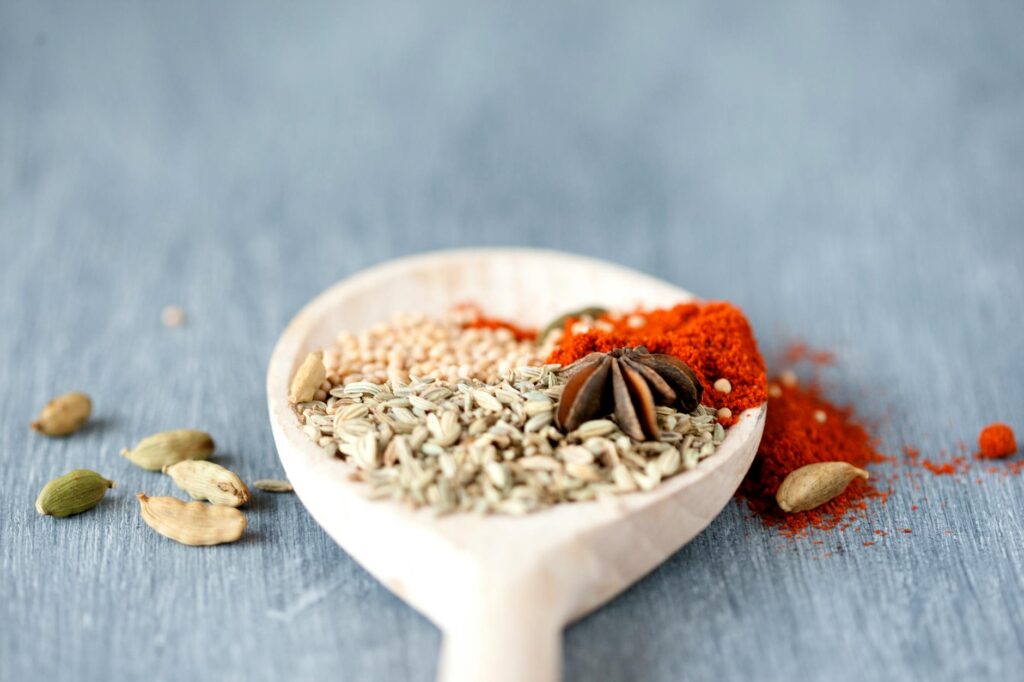
Why Is Cardamom So Expensive?
Introduction
Cardamom, often referred to as the “queen of spices,” is one of the most expensive spices by weight, second only to saffron. Its complex flavor profile and aromatic qualities make it a highly sought-after ingredient in both sweet and savory dishes across various cuisines worldwide. However, the steep price tag often leaves consumers wondering: what makes cardamom so expensive? This article delves into the multifaceted reasons behind the high cost of cardamom, exploring its history, production, quality grading, and much more.
What Is Cardamom?
Cardamom is derived from the seeds of several plants in the family Zingiberaceae, primarily from the genera Elettaria and Amomum. The most commonly used varieties are green cardamom, often referred to as true cardamom, and black cardamom. Green cardamom features a sweet, floral aroma and is widely utilized in culinary applications around the globe. Black cardamom, on the other hand, has a smokier flavor profile and is predominantly used in Indian and Asian cuisines.
History and Origins
Cardamom has a rich history that dates back thousands of years. It is believed to have originated in the forests of the Western Ghats in India, where it was cultivated extensively. Ancient Egyptians used cardamom in their embalming processes and as a spice in food, while it also found its way to the Greeks and Romans. The spice was highly valued in trade, often likened to gold in terms of worth. Throughout history, cardamom has been associated with luxury and refinement, which continues to influence its price today.
Production and Processing
The labor-intensive process of growing and harvesting cardamom contributes significantly to its high cost. Cardamom plants require specific climatic conditions—temperatures between 20°C to 35°C, high humidity, and well-drained soil. These plants thrive in tropical regions, with India being the largest producer, followed by Guatemala, Sri Lanka, and Indonesia.
Cultivation
Cultivation involves careful management of the growing environment. Cardamom plants are typically grown in the shade of larger trees, and the entire process from planting to harvesting can take up to three years. The flowers bloom only once a year, and the green pods are harvested by hand. This labor-intensive harvesting process is time-consuming and requires skilled laborers, further driving up the cost of the final product.
Processing
Once harvested, cardamom pods must be dried to preserve their flavor and aroma. The drying process is critical and can be done through traditional sun-drying or more modern methods. Improper drying can lead to a loss of flavor or spoilage, making quality control paramount. The meticulous nature of both cultivation and processing adds layers of cost that are reflected in the market price.
Quality and Grading
The quality of cardamom can vary significantly, impacting its price. Cardamom is generally graded based on size, color, and the number of seeds per pod. Higher grades of cardamom, which are larger and have a more intense flavor, command higher prices.
Grading Systems
The most common grading systems include:
- Grade I: These are the highest quality pods, typically whole and green, with a strong aroma. They are often used in gourmet cooking and specialty products.
- Grade II: Slightly lower in quality, these pods may show some signs of age or damage but are still flavorful.
- Grade III: These pods are often older and may have lost some potency, making them suitable for lower-end culinary applications.
- Baking: Cardamom is often used in pastries, cakes, and bread, providing a warm, aromatic flavor.
- Savory Dishes: In Indian cuisine, cardamom is a key ingredient in curries, biryanis, and spice blends like garam masala.
- Beverages: Cardamom is an essential component in chai tea and can also be used in cocktails for a unique twist.
- Global Cuisine: Cardamom’s appeal extends to Middle Eastern, Scandinavian, and even some Latin American dishes, showcasing its adaptability across cultures.
- Airtight Containers: Use airtight containers to prevent exposure to air, which can lead to oxidation and loss of flavor.
- Freezing: For long-term storage, whole pods can be frozen, which helps retain their flavor.
Understanding these grading systems is essential for consumers looking to purchase cardamom, as the price often reflects the quality of the spice.
Buying Considerations
When purchasing cardamom, several factors should be taken into account:
Whole vs. Ground
Whole cardamom pods offer the best flavor and aroma. Ground cardamom, while convenient, can lose its potency quickly due to oxidation. For optimal flavor, it is advisable to buy whole pods and grind them as needed.
Source
The origin of cardamom can influence its quality and price. Indian cardamom is often considered superior due to its unique flavor profile, while Guatemalan cardamom is also popular for its quality. Always check for reputable sources, as the spice’s authenticity can impact both flavor and health.
Packaging
Buying cardamom in airtight packaging can help preserve its freshness. Look for products that specify their harvest date, as fresher cardamom will have more vibrant flavors.
Uses and Applications
Cardamom is a versatile spice that can be used in various culinary applications. It is commonly found in:
Storage and Shelf Life
Proper storage is crucial to maintain cardamom’s flavor and aroma. The spice should be kept in a cool, dark place, away from direct sunlight and moisture. Whole pods can last up to four years when stored properly, while ground cardamom should ideally be used within six months for optimal flavor.
Tips for Storage
Common Misconceptions
Despite its popularity, there are several misconceptions surrounding cardamom:
Myth: All Cardamom is the Same
Not all cardamom is created equal. The flavor and aroma can vary significantly between green and black cardamom, as well as by the region in which it is grown.
Myth: Cardamom is Only Used in Indian Cuisine
While cardamom is a staple in Indian cooking, it is also widely used in Middle Eastern, Scandinavian, and North African cuisines, among others. Its versatility transcends cultural boundaries.
Frequently Asked Questions
1. Why is cardamom so expensive compared to other spices?
Cardamom’s high price is attributed to its labor-intensive cultivation and harvesting processes, as well as its specific growing conditions.
2. What is the difference between green and black cardamom?
Green cardamom has a sweet, floral flavor, while black cardamom has a smoky, earthy taste. They are used in different culinary applications.
3. How should I store cardamom to maintain its freshness?
Cardamom should be stored in a cool, dark place in an airtight container. Whole pods can last up to four years, while ground cardamom is best used within six months.
4. Can I substitute cardamom with other spices?
While there is no perfect substitute for cardamom, a combination of cinnamon and nutmeg can mimic its flavor profile in a pinch.
5. What are the signs of high-quality cardamom?
High-quality cardamom pods should be plump and green, with a strong, aromatic scent. Avoid pods that are dry or discolored.
6. Is cardamom used in any beverages?
Yes, cardamom is commonly used in chai tea, coffee, and even cocktails, where it adds a unique depth of flavor.
Conclusion
The intricate tapestry of factors contributing to the high cost of cardamom reveals much about its unique characteristics and cultural significance. From its historical roots to the challenges of cultivation and processing, cardamom remains a luxury spice that enriches culinary experiences. Understanding these elements can enhance appreciation for this exotic ingredient, making each culinary endeavor that incorporates cardamom not just a meal, but a journey through history and flavor.