
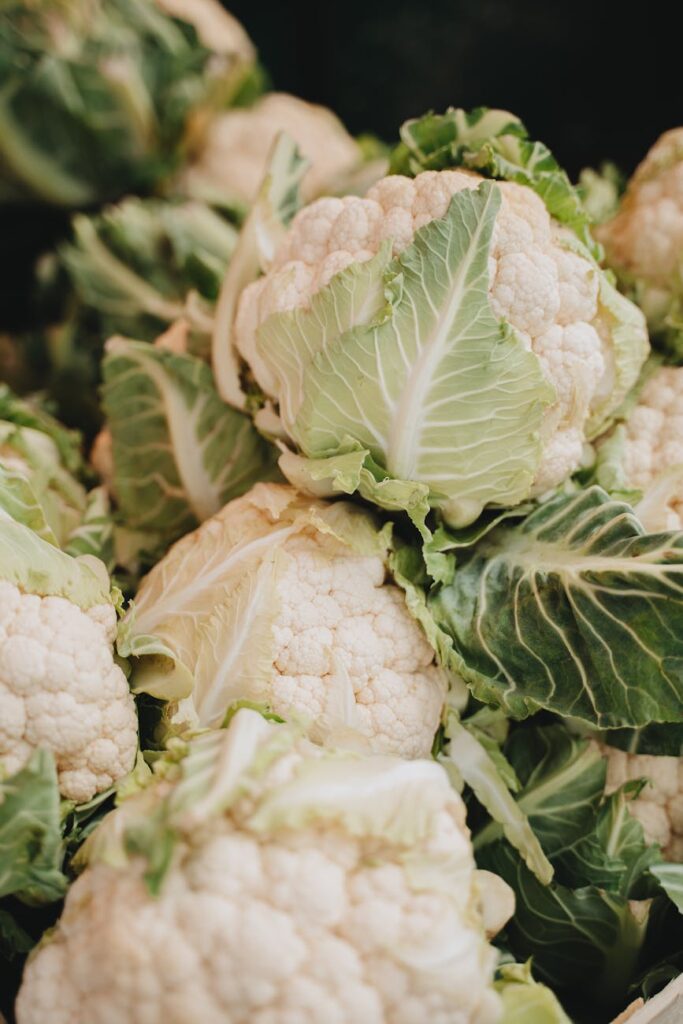
Why Is Cauliflower So Expensive?
Introduction
Cauliflower has emerged as a culinary superstar in recent years, gaining popularity in a variety of dishes, from salads to low-carb alternatives for grains. However, many consumers have noticed that cauliflower often comes with a higher price tag compared to other vegetables. This article delves into the multifaceted reasons behind the cost of cauliflower, exploring its history, production, quality grading, and market dynamics.
What Is About?
Cauliflower (Brassica oleracea var. botrytis) is a member of the cruciferous family, which includes broccoli, cabbage, and kale. It is characterized by its white, compact flower head, also known as curd. While traditionally recognized for its pale color, cauliflower is now available in various hues, including purple, green, and orange, each bringing unique nutritional benefits.
The vegetable is often lauded for its versatility and ability to absorb flavors, making it a staple in both traditional and modern cuisines. It can be roasted, steamed, mashed, or even transformed into rice or pizza crust, appealing to a wide range of dietary preferences.
History and Origins
The origins of cauliflower can be traced back to the Mediterranean region, particularly in areas that now comprise modern-day Cyprus and Italy. Historical records indicate that cauliflower was cultivated as early as the 6th century BC. It gained prominence in Europe during the Renaissance, gradually spreading to other parts of the world.
The vegetable has undergone significant agricultural development over the centuries. Early cultivars were primarily white, but modern breeding techniques have produced colorful varieties, enriching its visual appeal and nutritional profile. Despite its ancient roots, the cauliflower of today is a product of extensive cultivation and selective breeding aimed at enhancing yield, flavor, and shelf life.
Production and Processing
The production of cauliflower involves a series of intricate steps that contribute to its overall cost. Factors such as climate, soil quality, and farming practices play crucial roles in determining the viability and quality of the crop.
Climate and Growing Conditions
Cauliflower thrives in cooler climates, typically requiring temperatures between 60°F and 65°F (15°C to 18°C) for optimal growth. In warmer regions, the plant may bolt, leading to premature flowering and reduced quality. As such, cauliflower is often grown in specific seasons, predominantly in spring and fall, which can limit supply and drive up prices.
Labor-Intensive Harvesting
The harvesting of cauliflower is labor-intensive. Unlike many vegetables that can be mechanically harvested, cauliflower requires careful hand-picking to avoid damaging the delicate curds. This need for manual labor adds to the overall cost of production. Additionally, the timing of the harvest is critical; cauliflower must be picked at the right moment to ensure peak flavor and texture.
Post-Harvest Handling
Once harvested, cauliflower requires meticulous post-harvest handling to maintain its quality. This includes washing, trimming, and packaging, all of which involve additional labor and resources. Proper storage conditions are essential to prevent spoilage and maintain freshness, further contributing to its cost.
Quality and Grading
Quality is a significant factor in the pricing of cauliflower. The grading system typically categorizes cauliflower based on its size, shape, color, and overall appearance. Higher-quality cauliflower, characterized by compact, tightly packed curds and vibrant color, commands a premium price in the market.
Factors Affecting Quality
1. Size and Shape: Larger, well-formed heads are generally more desirable.
2. Color: While white is the traditional standard, vibrant colors can attract higher prices due to their visual appeal and perceived nutritional benefits.
3. Freshness: Cauliflower that is recently harvested and has minimal blemishes is valued more highly.
Farmers and distributors often invest in quality control measures to ensure that their produce meets market standards, which can increase production costs and, consequently, retail prices.
Buying Considerations
When purchasing cauliflower, several factors can influence its price. Understanding these can help consumers make informed decisions.
Seasonality
Cauliflower is a seasonal vegetable. Prices tend to rise significantly during off-peak seasons when supply diminishes. Conversely, during peak growing seasons, prices may stabilize or decrease, making it more accessible for consumers.
Organic vs. Conventional
Organic cauliflower typically costs more than conventionally grown varieties due to the higher costs associated with organic farming practices. These include organic seeds, natural pest control, and adherence to strict regulations, all of which contribute to the final price.
Local vs. Imported
Locally sourced cauliflower often comes with a lower carbon footprint and fresher quality but may also reflect higher prices due to limited availability. Imported varieties can be cheaper but may have undergone extensive shipping and handling processes, which can impact freshness.
Uses and Applications
Cauliflower is incredibly versatile and finds its way into a multitude of culinary applications. Its adaptability makes it a popular choice for various dishes, contributing to its rising demand.
Culinary Uses
1. Low-Carb Alternatives: Cauliflower has gained traction as a substitute for grains and legumes, especially in low-carb and gluten-free diets. Cauliflower rice and cauliflower pizza crusts are just a few examples.
2. Side Dishes: Roasted or steamed cauliflower often serves as a nutritious side, pairing well with a variety of main courses.
3. Soups and Stews: Its ability to absorb flavors makes it an excellent ingredient for soups and stews, enhancing the overall taste profile.
Nutritional Value
Cauliflower is rich in vitamins C and K, as well as fiber and antioxidants, making it a popular choice for health-conscious consumers. This nutritional profile adds to its appeal and justifies its price in a market increasingly focused on health and wellness.
Storage and Shelf Life
Proper storage is crucial for maintaining the freshness and quality of cauliflower. In general, cauliflower should be stored in a cool, dry place or in the refrigerator to prolong its shelf life.
Optimal Storage Conditions
- Refrigeration: Storing cauliflower in a perforated bag in the vegetable crisper of the refrigerator can keep it fresh for up to a week.
- Avoiding Moisture: Excess moisture can lead to spoilage; thus, it is advisable to keep the vegetable dry until ready for use.
Signs of Spoilage
Consumers should be vigilant for signs of spoilage, such as yellowing leaves or soft spots on the curd. These indicators suggest that the cauliflower is no longer fresh and may need to be discarded.
Common Misconceptions
Despite its growing popularity, several misconceptions about cauliflower persist, often influencing consumer perceptions and pricing.
Misconception 1: Cauliflower Is Always Expensive
While cauliflower can be pricey, prices fluctuate based on seasonality, availability, and market demand. During peak seasons, consumers may find it more affordable.
Misconception 2: All Cauliflower Is the Same
The quality and type of cauliflower can vary significantly. Consumers may pay more for organic or locally sourced varieties, which are often perceived as fresher and of higher quality.
Misconception 3: Cauliflower Is Nutritionally Inferior
Some believe that cauliflower lacks nutrients compared to other vegetables. In reality, it offers a unique blend of vitamins and minerals, making it a valuable addition to any diet.
Frequently Asked Questions
1. Why is cauliflower considered a superfood?
Cauliflower is rich in essential vitamins, minerals, and antioxidants, contributing to its classification as a superfood.
2. How can I tell if cauliflower is fresh?
Look for firm, white curds and crisp green leaves. Avoid cauliflower with brown spots or wilted leaves.
3. Is organic cauliflower worth the extra cost?
Organic cauliflower often has fewer pesticides and is grown under stricter regulations, making it a worthwhile investment for health-conscious consumers.
4. How can I store cauliflower to extend its shelf life?
Store cauliflower in a perforated plastic bag in the refrigerator’s vegetable crisper to maintain freshness for up to a week.
5. Does the color of cauliflower affect its price?
Yes, vibrant colors can command higher prices due to their visual appeal and perceived nutritional benefits.
6. Is cauliflower more expensive than other vegetables?
Cauliflower often has a higher price point due to its labor-intensive production and quality grading, but prices can vary widely based on seasonality and local availability.
Conclusion
The price of cauliflower reflects a complex interplay of factors ranging from agricultural practices to market dynamics. Understanding these elements can help consumers navigate the marketplace more effectively and appreciate the value of this versatile vegetable. As cauliflower continues to gain traction in global cuisine, its pricing will likely remain a topic of interest for both consumers and culinary professionals alike.