
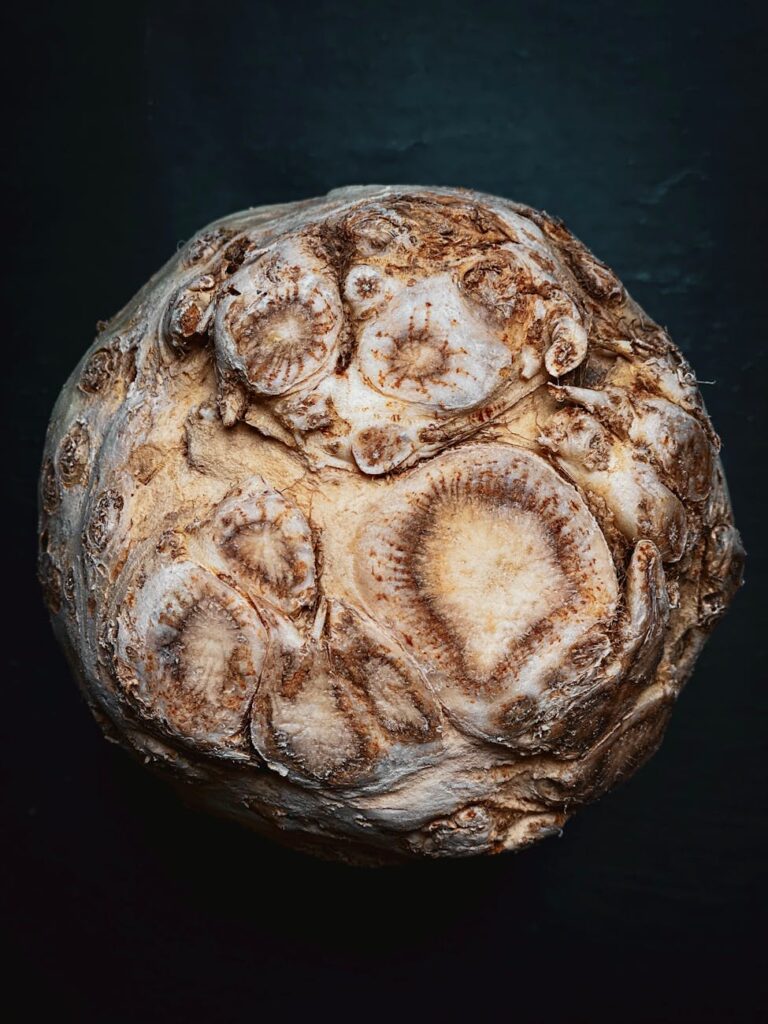
Why Is Celeriac So Expensive?
Introduction
Celeriac, also known as celery root, is a unique and versatile vegetable that has captured the attention of chefs and home cooks alike. It boasts a distinctive flavor profile characterized by a subtle, earthy taste that can elevate a multitude of dishes. However, despite its culinary appeal, celeriac often comes with a hefty price tag. This article delves into the reasons behind the high costs associated with this intriguing root vegetable, exploring its history, production challenges, quality grading, and more.
What Is Celeriac?
Celeriac (Apium graveolens var. rapaceum) is a variety of celery cultivated primarily for its bulbous root rather than its stalks or leaves. This knobby, rough exterior belies its creamy, white flesh, which can be enjoyed raw or cooked. Celeriac is celebrated for its ability to impart a deep, savory flavor to soups, stews, and purees. While it may not be as ubiquitous as other root vegetables, its growing popularity in modern cuisine has led to increased demand, which plays a significant role in its market price.
History and Origins
Celeriac has a storied history that dates back to ancient Mediterranean civilizations. Initially cultivated for its medicinal properties, it eventually found its way into culinary applications. The plant’s origins can be traced back to the region surrounding the Mediterranean Sea, where wild celery grew abundantly. Historical records from ancient Greece and Rome show that celeriac was used in various dishes, often valued for its flavor and nutritional benefits.
The vegetable began to gain prominence in Europe during the 17th century, particularly in France and Italy, where it was embraced in local cuisines. Today, it remains a staple in European cooking and is increasingly finding its way into kitchens across the globe.
Production and Processing
Growing celeriac is a labor-intensive process that significantly contributes to its cost. The plant requires a long growing season of approximately 120 to 150 days, which means farmers must invest considerable time and resources before harvesting. Here are a few key factors that influence the production and processing of celeriac:
Climate and Soil Requirements
Celeriac thrives in cool climates with well-drained, fertile soil. It prefers temperatures between 60°F and 70°F (15°C to 21°C), making it a seasonal crop in many regions. Areas with extreme temperatures can hinder growth and reduce yield, necessitating careful selection of planting locations.
Labor-Intensive Cultivation
Celeriac is typically grown from seeds, which require germination before being transplanted into the field. This process demands skilled labor, as farmers must ensure optimal planting conditions. Additionally, the root itself grows slowly and requires regular maintenance, including weed control and pest management. All these factors contribute to increased labor costs.
Harvesting Challenges
Harvesting celeriac is a manual process that requires skill and precision. The roots are often buried deep in the ground, and improper harvesting can lead to damage, resulting in a loss of quality. Using specialized equipment can mitigate these risks, but it also adds to the overall production costs.
Processing and Distribution
Once harvested, celeriac must be cleaned, graded, and packaged for distribution. This post-harvest processing adds another layer of expense, as it requires both equipment and labor. The vegetable is perishable, necessitating careful handling and swift distribution to maintain its quality.
Quality and Grading
Celeriac is graded based on several criteria, including size, shape, and skin quality. High-quality celeriac should be firm, smooth, and free from blemishes or soft spots. The grading process often involves skilled inspection, which can be resource-intensive. Higher-quality celeriac commands a premium price, as it is more desirable for culinary applications.
Factors Influencing Quality
Several factors influence the quality of celeriac, including:
- Growing Conditions: Optimal soil and climate conditions lead to healthier, more robust plants.
- Harvest Timing: Timing is critical; harvesting too early or too late can impact flavor and texture.
- Post-Harvest Handling: Proper cleaning, storage, and transportation are essential to preserve quality.
- Soups and Stews: Celeriac adds depth and complexity to broths and stews, enhancing the overall flavor profile.
- Purees: Its creamy texture makes it an excellent choice for purees, often served as a side dish or a base for other ingredients.
- Salads: When grated or julienned, celeriac can provide a crunchy texture to salads, often paired with vinaigrettes or creamy dressings.
- Roasting and Grilling: Celeriac
Buying Considerations
When purchasing celeriac, consumers should consider several factors that can affect both quality and price:
Seasonality
Celeriac is typically harvested in late fall to early winter, and prices may fluctuate based on seasonal availability. Purchasing in season may yield lower prices, while off-season purchases can be significantly more expensive.
Source and Type
Celeriac can be sourced from local farms or imported from regions with favorable growing conditions. Locally grown celeriac may be fresher but can also be pricier due to small-scale production. Organic varieties, while often more expensive, may appeal to consumers seeking pesticide-free produce.
Storage Conditions
When buying celeriac, consider how you plan to store it. Celeriac should be kept in a cool, dark place, preferably in a perforated plastic bag in the refrigerator. Poor storage practices can lead to spoilage, increasing the overall cost of waste.
Uses and Applications
Celeriac is a versatile ingredient that can be used in a variety of culinary applications. Its unique flavor pairs well with a range of ingredients, making it suitable for both traditional and contemporary dishes. Here are some common uses: