
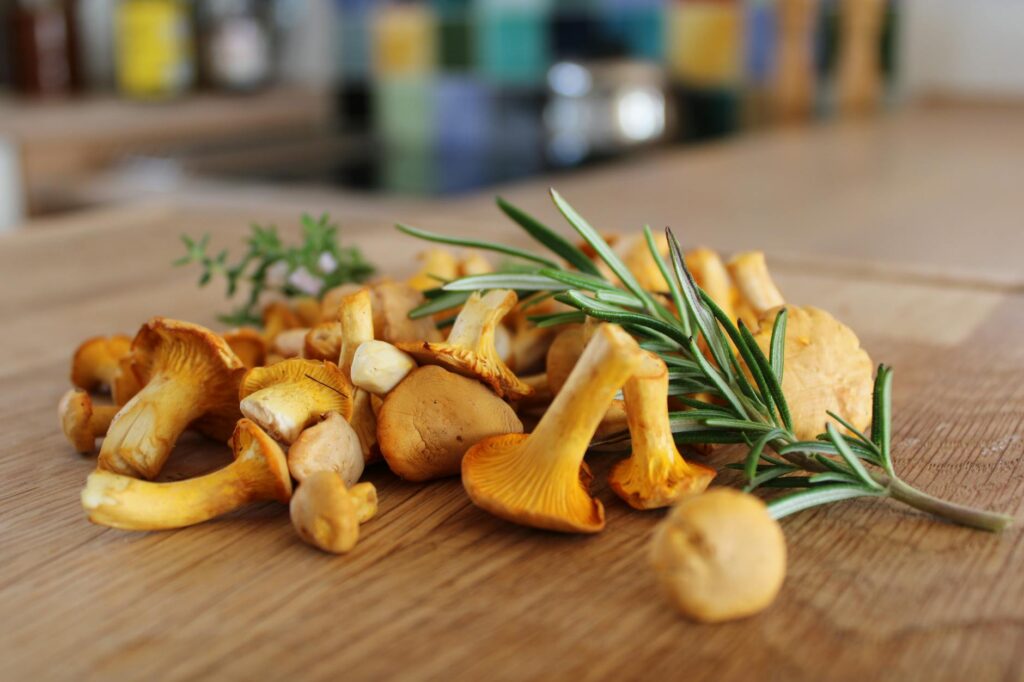
Why Are Chanterelle Mushrooms So Expensive?
Introduction
Chanterelle mushrooms, with their vibrant golden hue and delicate, slightly peppery flavor, are a prized ingredient in gourmet kitchens around the world. Their distinct taste and unique qualities make them a favorite among chefs and home cooks alike. However, the price tag associated with chanterelles can leave many wondering: why are these mushrooms so expensive? This article delves into the various factors that contribute to the high cost of chanterelle mushrooms, from their history and origins to their production, processing, and culinary uses.
What Is About?
Chanterelle mushrooms belong to the genus Cantharellus and are characterized by their trumpet-like shape, bright yellow to orange coloration, and wavy, irregular edges. They are often found in forests, growing symbiotically with trees, particularly conifers and hardwoods. Renowned for their rich, earthy flavor and aromatic qualities, chanterelles are considered a delicacy in many cuisines and are often used in fine dining dishes.
History and Origins
The history of chanterelle mushrooms is deeply intertwined with the development of culinary traditions in Europe and North America. While the exact origins remain somewhat obscure, chanterelles have been harvested and consumed since ancient times. The first recorded mentions of chanterelles can be traced back to the 18th century in Europe, where they were appreciated for their flavor and rarity.
As for their geographical distribution, chanterelles are primarily found in temperate regions of the world. They thrive in forests across North America, Europe, and parts of Asia. Their seasonal growth, typically occurring in late spring to early autumn, adds to their allure and scarcity, further driving up their market price.
Production and Processing
Chanterelles are not cultivated on farms like many other mushrooms; instead, they are foraged from the wild. This means that their availability is subject to the whims of nature, including environmental conditions, climate, and soil quality. Foraging requires a keen eye and expertise, as these mushrooms often grow in forested areas where they blend seamlessly with their surroundings.
The foraging process itself is labor-intensive. Skilled foragers often spend hours searching for these elusive fungi, and they must be knowledgeable about the ecosystem to ensure they are harvesting edible varieties while avoiding toxic look-alikes. The seasonal nature of chanterelle growth means that their harvest is limited to specific times of the year, contributing to their overall scarcity.
Once harvested, chanterelles undergo a careful processing stage. This includes cleaning, sorting, and packaging. Since they are highly perishable, they require prompt handling to maintain their quality. Many foragers sell their fresh chanterelles directly to restaurants or specialty grocery stores, which can also drive up the cost due to the limited supply and specialized distribution channels.
Quality and Grading
Not all chanterelles are created equal. The quality of these mushrooms can vary significantly based on factors such as size, shape, color, and freshness. Gourmet chefs often seek out the highest-grade chanterelles for their unique culinary applications.
Quality grading typically involves evaluating the mushrooms for:
- Size: Larger chanterelles are generally more desirable and, consequently, more expensive. They tend to have a richer flavor and a more appealing presentation.
- Color: Brightly colored chanterelles indicate freshness and good quality, while dull or faded specimens may suggest age or improper storage.
- Texture: Fresh chanterelles should be firm to the touch, with a slightly moist texture. Mushrooms that are too dry or have begun to shrivel will be of lesser quality and value.
- Sautéing: Chanterelles can be lightly sautéed in butter or olive oil, enhancing their flavor and texture.
- Soups: Their earthy taste adds depth to soups and broths, making them a favorite in creamy mushroom soups.
- Pasta Dishes: Chanterelles can elevate pasta dishes, providing a rich umami flavor that complements sauces and other ingredients.
- Garnishes: Their striking appearance makes them an excellent garnish for upscale dishes, adding both flavor and visual appeal.
- Refrigeration: Store fresh chanterelles in a paper bag in the refrigerator. This allows them to breathe and prevents moisture buildup, which can lead to spoilage.
- Shelf Life: Fresh chanterelles typically last for about one week when stored correctly. After this period, they may begin to lose their flavor and texture.
- Freezing: For longer-term storage, chanterelles can be sautéed and then frozen. This preserves their flavor and allows for future use, although the texture may change upon thawing.
Additionally, the method of harvesting can impact the perceived quality of chanterelles. Foragers who follow sustainable practices and prioritize careful handling are often able to command higher prices for their products.
Buying Considerations
When purchasing chanterelle mushrooms, there are several factors to consider to ensure you’re getting the best quality for your investment:
1. Source: Always buy from reputable suppliers or trusted foragers. Local farmers’ markets or specialty grocery stores that focus on fresh, foraged ingredients are ideal.
2. Freshness: Look for mushrooms that are firm, plump, and vibrantly colored. Avoid any that appear wilted, shriveled, or discolored.
3. Sustainability: Consider the foraging practices of the supplier. Sustainable foraging ensures the long-term health of mushroom populations and their ecosystems.
4. Price: While it can be tempting to opt for cheaper options, be aware that lower prices may indicate inferior quality or unsustainable harvesting methods.
5. Availability: Chanterelle mushrooms are seasonal, so their availability will fluctuate throughout the year. Be prepared to pay a premium during peak seasons when demand is high.
Uses and Applications
Chanterelle mushrooms are incredibly versatile and can be used in a variety of culinary applications. Their unique flavor profile pairs well with a range of ingredients, making them a popular choice in gourmet cuisine. Common uses include:
Their culinary applications are nearly endless, which further contributes to their desirability and high price.
Storage and Shelf Life
Chanterelle mushrooms are highly perishable and should be consumed as soon as possible after purchase. When storing them, it’s essential to follow these guidelines:
Proper storage techniques are crucial to maintaining the quality of these mushrooms and maximizing their culinary potential.
Common Misconceptions
Despite their popularity, several misconceptions about chanterelle mushrooms persist:
1. Cultivated vs. Wild: Many believe that chanterelles can be easily cultivated. In reality, they are primarily foraged from the wild and do not grow well in controlled environments.
2. Flavor Comparison: Some people assume all mushrooms have a similar taste. However, chanterelles have a unique flavor profile that distinguishes them from more common varieties like button or portobello mushrooms.
3. Cost Justification: While some may find the price of chanterelles exorbitant, it is essential to recognize the labor-intensive foraging process and limited supply that justifies their cost.
4. Sustainability: There is a misconception that foraging has no impact on the ecosystem. Responsible foraging is crucial for maintaining mushroom populations and should be practiced to ensure sustainability.
5. Usage: Some believe that chanterelles can be used interchangeably with any mushroom. Their unique flavor and texture make them best suited for specific dishes, rather than as a direct substitute for other varieties.
Frequently Asked Questions
1. Why are chanterelles considered a delicacy?
Chanterelles are considered a delicacy due to their unique flavor, aromatic qualities, and the labor-intensive process required to forage them from the wild.
2. How can I tell if chanterelles are fresh?
Fresh chanterelles should be firm, plump, and brightly colored. Avoid mushrooms that appear wilted, shriveled, or discolored.
3. Can I grow chanterelle mushrooms at home?
Chanterelles are challenging to cultivate at home as they have specific symbiotic relationships with tree roots. They are primarily foraged from the wild.
4. What is the best way to store chanterelles?
Store fresh chanterelles in a paper bag in the refrigerator for optimal freshness. They typically last about a week when stored correctly.
5. Are there any toxic look-alikes for chanterelles?
Yes, some mushrooms can resemble chanterelles but are toxic. It’s essential to be knowledgeable or consult an expert when foraging to ensure safety.
6. How can I use chanterelles in my cooking?
Chanterelles can be sautéed, added to soups, used in pasta dishes, or served as a garnish. Their unique flavor enhances a variety of dishes.
Conclusion
The allure of chanterelle mushrooms is undeniable, but their high cost can be perplexing. Factors such as their wild foraging, labor-intensive harvesting process, quality grading, and culinary versatility all contribute to their price. Understanding these elements can enhance appreciation for this exquisite ingredient, allowing consumers to make informed purchasing decisions. Whether enjoyed in a sophisticated dish or simply sautéed in butter, chanterelle mushrooms continue to hold a special place in the hearts (and kitchens) of culinary enthusiasts around the world.