
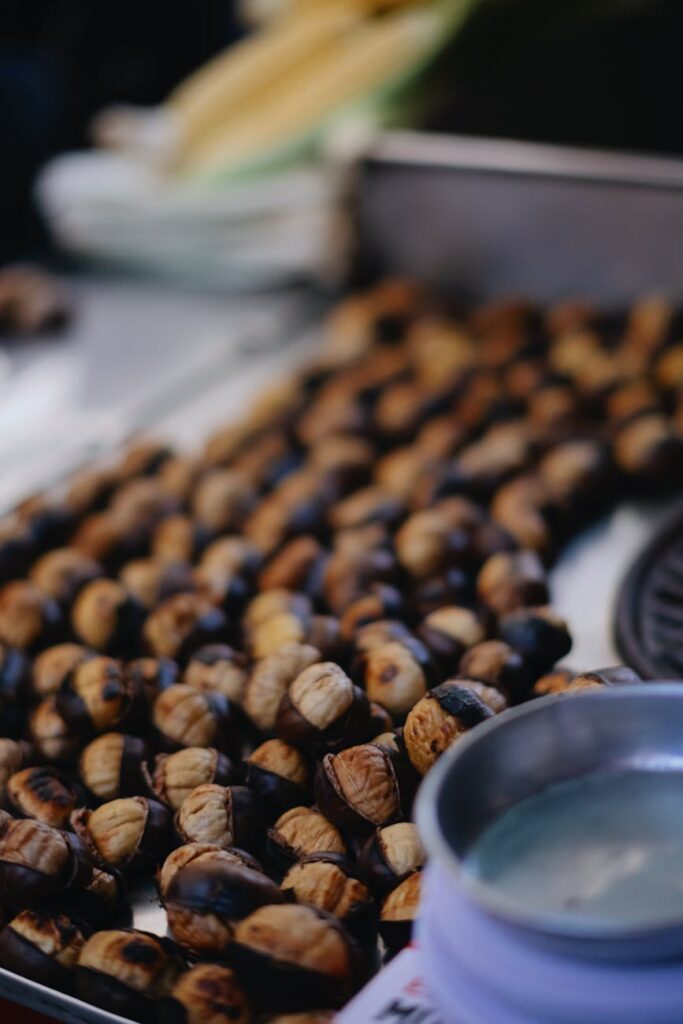
Why Is Chestnut Puree So Expensive?
Introduction
Chestnut puree, a smooth and creamy preparation derived from cooked chestnuts, has garnered attention in gourmet kitchens around the world. While its exquisite flavor profile and versatility in both sweet and savory dishes make it a coveted ingredient, the price tag associated with chestnut puree often raises eyebrows. Understanding the factors that contribute to its cost can illuminate its value in culinary arts and provide insights for both consumers and chefs alike.
What Is Chestnut Puree?
Chestnut puree is created by roasting or boiling chestnuts until tender, then grinding them into a smooth paste. This puree maintains a delicate balance of sweetness and nuttiness, making it a unique ingredient in various culinary applications. Unlike many other nut purees, chestnut puree is inherently gluten-free and dairy-free, which adds to its appeal for those with dietary restrictions.
The texture is distinctly creamy, which allows it to be incorporated into desserts, sauces, and fillings. Additionally, chestnut puree can often be found in various forms, including canned, vacuum-sealed, or fresh, each impacting its flavor and cost.
History and Origins
Chestnuts have a rich and storied history that dates back thousands of years. Originally cultivated in the Mediterranean region, they were a staple food for many ancient civilizations, including the Greeks and Romans. The sweet, starchy nature of chestnuts made them a vital source of nutrition, especially in areas where grains were less accessible.
The introduction of chestnut trees to other parts of Europe and Asia broadened their culinary applications. In France and Italy, chestnuts are celebrated for their versatility, leading to the creation of various dishes, including marrons glacés and polenta di castagne. The tradition of making chestnut puree has been particularly prominent in French cuisine, where it is often used in desserts like Mont Blanc.
In contemporary gastronomy, chestnut puree has gained traction in global culinary practices, with chefs incorporating it into innovative dishes that celebrate its unique flavor profile.
Production and Processing
The production of chestnut puree involves several meticulous steps, each of which contributes to the final product’s quality and price.
Harvesting
The chestnut harvesting season typically occurs in the autumn months, which is when the nuts are at their peak ripeness. The chestnut tree’s growth cycle is slow, and they usually yield a crop every few years. This sporadic production can lead to fluctuations in supply, impacting prices.
Preparation
Once harvested, the chestnuts undergo a labor-intensive preparation process. They are usually roasted or boiled to soften the flesh, after which the outer shell and inner skin are removed. This step is crucial, as the quality of the chestnut flesh directly affects the final puree’s flavor and texture.
Grinding and Packaging
After the chestnuts are cooked and cleaned, they are ground into a fine paste. Depending on the desired consistency, additional ingredients such as sugar, vanilla, or even alcohol may be added. The puree is then packaged, often under strict quality control to ensure that it meets the high standards expected by consumers and chefs alike.
Quality and Grading
The quality of chestnut puree can vary significantly based on the source of the chestnuts, the production method, and the processing techniques employed.
Sourcing
High-quality chestnuts are usually sourced from specific regions known for their unique flavor profiles, such as the Italian chestnuts from the Piedmont region or French chestnuts from Ardèche. These regions have established reputations for producing superior chestnuts, and their popularity drives demand and price.
Grading Standards
Chestnut purees are often graded based on several factors, including flavor, texture, and color. Premium products may be labeled as “100% chestnut” without fillers, while lower-quality offerings may contain additional ingredients that affect taste and texture. Consumers are advised to check labels and seek out reputable brands to ensure they are purchasing a high-quality product.
Buying Considerations
When purchasing chestnut puree, several factors can influence both quality and price.
Form
Chestnut puree is available in various forms, including canned, jarred, or fresh. Canned varieties are often more affordable and have a longer shelf life, while fresh puree can command higher prices due to its shorter availability window.
Brand Reputation
Brand reputation can significantly impact price. Established brands with a history of producing high-quality ingredients may charge a premium, while newer or lesser-known brands may offer more competitive pricing.
Seasonal Availability
As with many agricultural products, the availability of chestnuts can fluctuate throughout the year. Outside of the harvest season, prices may increase due to limited supply. Consumers should consider timing their purchases accordingly.
Uses and Applications
Chestnut puree’s adaptability makes it suitable for a wide range of culinary applications.
Culinary Uses
In savory dishes, it can serve as a base for sauces, soups, or fillings, providing a rich, earthy flavor. In desserts, chestnut puree shines as a key ingredient in cakes, mousses, and pastries, often paired with chocolate, cream, or fruits to enhance its natural sweetness.
Cultural Significance
In many cultures, chestnut puree is not merely an ingredient but a symbol of seasonal culinary traditions. For instance, in France, it is integral to holiday desserts, while in Italy, it is often featured in chestnut cakes and tarts during regional festivals.
Storage and Shelf Life
The storage of chestnut puree is crucial to maintaining its quality.
Shelf Life
Unopened canned or jarred chestnut puree can typically last for several years if stored in a cool, dark place. However, once opened, it is advisable to transfer the puree to an airtight container and refrigerate it, where it should be consumed within a week or two to ensure optimal flavor and freshness.
Freezing
For those who wish to extend the shelf life of chestnut puree further, freezing is