
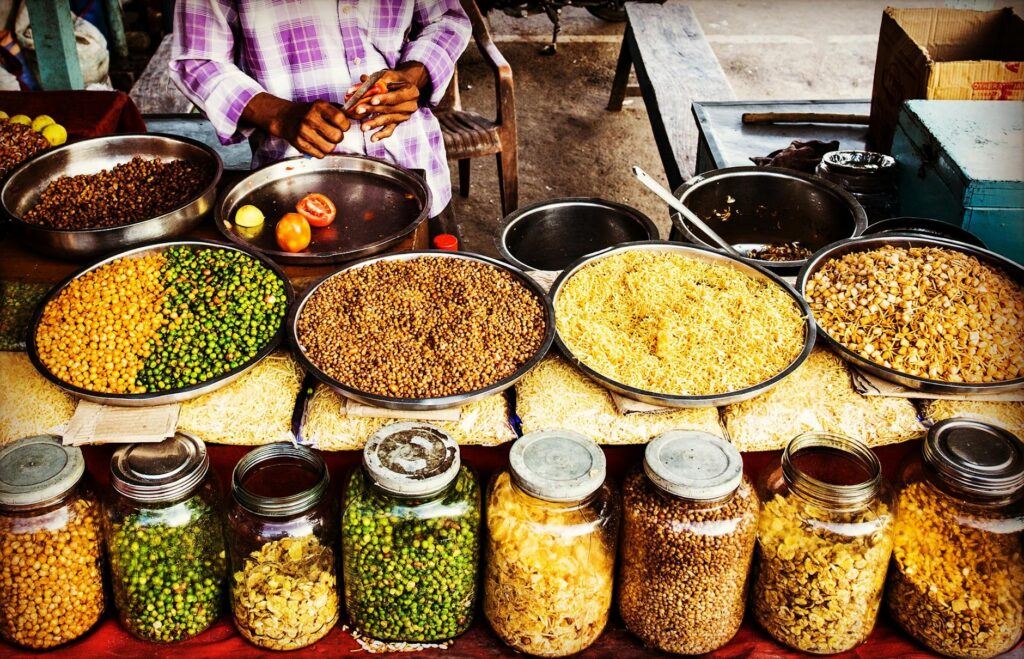
Why Are Chickpeas So Expensive?
Introduction
Chickpeas, also known as garbanzo beans, have gained immense popularity in recent years as a staple in various diets around the world, including vegetarian, vegan, and gluten-free. However, despite their widespread appeal, consumers often notice that chickpeas can come with a hefty price tag. This article delves into the myriad factors that contribute to the cost of chickpeas, exploring their history, production, quality grading, and more.
What Is About?
Chickpeas are small, round legumes that belong to the family Fabaceae. They come in two primary varieties: the smooth-skinned Kabuli, which is larger and lighter in color, and the darker, coarser Desi variety. Rich in protein, fiber, and essential vitamins, chickpeas are not only versatile but also nutritious. Their culinary uses span from soups and salads to hummus and curries, making them a valuable ingredient in many global cuisines.
History and Origins
Chickpeas have a storied history that dates back over 7,500 years. They are believed to have originated in the Middle East, specifically in regions that are now part of Turkey and Syria. Archaeological evidence suggests that chickpeas were among the first cultivated legumes, and they quickly spread to Asia, Europe, and North Africa.
The ancient Egyptians revered chickpeas, and they were a staple in the diets of Roman soldiers. Over the centuries, various cultures have embraced chickpeas, integrating them into their culinary traditions. Today, India is the largest producer of chickpeas, followed closely by countries in the Mediterranean and the Americas. This rich history not only highlights the significance of chickpeas in human diet but also establishes their global economic importance.
Production and Processing
The production of chickpeas involves several stages, from sowing to harvesting. Factors such as climate, soil quality, and agricultural practices significantly influence the yield and quality of chickpeas. They thrive in arid and semi-arid regions, making them particularly suitable for cultivation in areas with limited rainfall.
Chickpeas are typically grown as a rotation crop, which helps to maintain soil health and reduce pest populations. Once harvested, they undergo various processing stages, including cleaning, sorting, and packaging. The processing stage is critical, as it directly affects the quality and appearance of the final product.
The global demand for chickpeas has increased significantly, particularly in Western markets, where awareness of plant-based diets is rising. This escalating demand, coupled with challenges such as climate change, fluctuating weather patterns, and pest infestations, can lead to supply shortages. Consequently, the limited availability contributes to higher prices in the market.
Quality and Grading
Chickpeas are graded based on several criteria, including size, color, and texture. The quality of chickpeas can significantly impact their price. Higher-quality chickpeas, such as the Kabuli variety, often command a premium in the marketplace due to their desirable attributes, including a creamy texture and mild flavor.
Quality grading also extends to factors such as the absence of blemishes, uniformity in size, and moisture content. Inconsistent quality can lead to price fluctuations, as consumers are willing to pay more for superior products. Additionally, organic chickpeas, which are cultivated without synthetic fertilizers or pesticides, tend to be more expensive, reflecting the increased costs associated with organic farming practices.
Buying Considerations
When purchasing chickpeas, consumers should be mindful of several factors that can influence their decision. First, consider the variety: Kabuli chickpeas are typically more expensive than their Desi counterparts, primarily due to their larger size and higher demand in Western markets.
The form in which chickpeas are sold also affects pricing. Dried chickpeas are generally less expensive than canned chickpeas, but they require soaking and cooking, which may not be convenient for all consumers. Canned chickpeas, while more expensive, offer the advantage of convenience and ready-to-eat options.
Moreover, purchasing chickpeas in bulk can lead to savings, especially for those who frequently incorporate them into their meals. Regional pricing can vary, so it’s wise to shop around and compare prices at different retailers.
Uses and Applications
Chickpeas are incredibly versatile and can be utilized in a variety of culinary applications. They can be roasted for a crunchy snack, blended into dips such as hummus, or used as a meat substitute in curries and stews. Their ability to absorb flavors makes them an excellent addition to a wide range of dishes, from salads to casseroles.
In addition to their culinary uses, chickpeas have gained traction in the health and wellness community. They are often used in plant-based protein powders, snacks, and even gluten-free flour, catering to the growing demand for health-conscious products.
The multifaceted nature of chickpeas drives demand, thereby influencing their market price. As more people adopt plant-based diets or seek alternative sources of protein, the value of chickpeas is likely to rise.
Storage and Shelf Life
Proper storage is crucial for maintaining the quality of chickpeas. Dried chickpeas should be stored in a cool, dry place in an airtight container to prolong their shelf life, which can be several years if kept away from moisture and heat. Once cooked, chickpeas can be refrigerated for up to a week or frozen for longer-term storage.
Canned chickpeas generally have a shelf life of 3 to 5 years when unopened and should be consumed within a few days of opening. The packaging often provides a “best by” date, which can serve as a guideline for freshness.
Consumers should be aware that the storage conditions can impact the cost. For example, suppliers may incur additional costs for refrigeration and transportation, which can be passed on to the consumer.
Common Misconceptions
One common misconception about chickpeas is that they are a cheap source of protein. While they may be more affordable than some animal proteins, their price has seen a considerable increase in recent years due to various factors discussed above. Additionally, some people may assume that all chickpeas are the same; however, the differences between varieties and quality levels can significantly affect their price and culinary application.
Another notion is that canned chickpeas are inherently lower quality than dried chickpeas. While canned chickpeas are often more convenient, they can be of high quality and are a practical choice for those who may not have the time or resources to prepare dried chickpeas.
Frequently Asked Questions
1. Why are chickpeas more expensive than other legumes?
Chickpeas often command higher prices due to their increasing global demand, quality grading, and the complexities involved in their production and processing.
2. Are organic chickpeas worth the price?
Organic chickpeas are typically more expensive due to the costs associated with organic farming practices. If you prioritize organic products, the investment may be worthwhile.
3. How can I tell if chickpeas are fresh?
For dried chickpeas, look for uniform size and color without any blemishes. For canned chickpeas, check the expiration date and ensure the can is not dented or bulging.
4. Can I save money by buying chickpeas in bulk?
Yes, purchasing chickpeas in bulk can often lead to cost savings, especially if you regularly incorporate them into your meals.
5. How should I store chickpeas?
Dried chickpeas should be stored in a cool, dry place in an airtight container, while canned chickpeas should be kept in a pantry until opened and then refrigerated.
6. Do chickpeas have a long shelf life?
Dried chickpeas can last several years when stored properly, while canned chickpeas typically last 3 to 5 years unopened.
Conclusion
The high price of chickpeas can be attributed to various interrelated factors, including their historical significance, production challenges, quality grading, and increasing demand in a health-conscious market. Understanding these elements can provide consumers with a clearer perspective on the costs associated with this versatile and nutritious legume. As the popularity of chickpeas continues to rise, their value in both culinary and nutritional contexts is likely to endure.