
Why Is Coconut Sugar So Expensive?
Introduction
Coconut sugar, often lauded for its natural sweetness and minimal processing, has gained significant popularity in the health-conscious community. Renowned as a more sustainable and nutritious alternative to refined sugars, its rising demand has also led to increased scrutiny regarding its price. Understanding the factors contributing to the cost of coconut sugar is essential for consumers and culinary professionals alike, as it informs purchasing decisions and highlights the complexities involved in its production.
What Is Coconut Sugar?
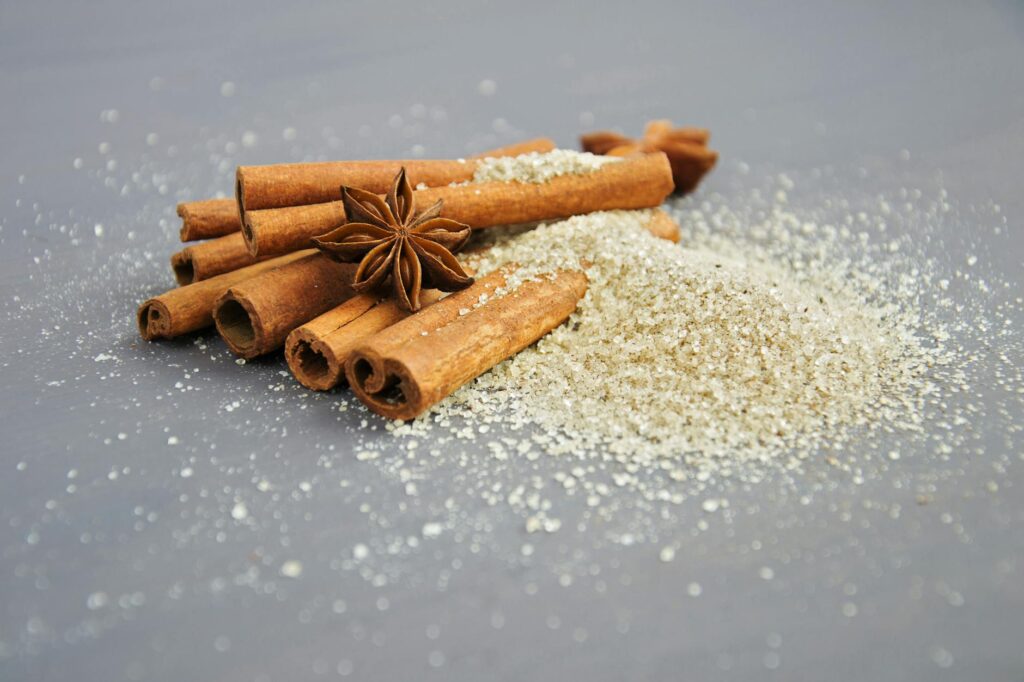
Coconut sugar, also known as coconut palm sugar, is derived from the sap of the flower buds of the coconut palm (Cocos nucifera). The sap is collected, heated, and evaporated to form granules resembling brown sugar. Rich in minerals and nutrients, coconut sugar contains small amounts of vitamins, antioxidants, and inulin, a type of soluble fiber that may have beneficial effects on gut health. Its distinct caramel flavor and lower glycemic index compared to cane sugar make it a favored choice for various culinary applications.
History and Origins
The use of coconut sugar dates back thousands of years, primarily in Southeast Asia. Historical records indicate that it has long been a staple sweetener in countries like Indonesia, the Philippines, and India. The practice of tapping coconut palms for sap has been handed down through generations, forming an integral part of local economies and cultures. As global awareness of sustainable practices and natural foods has grown, coconut sugar has transitioned from a regional specialty to an internationally recognized ingredient.
Production and Processing
The production of coconut sugar is labor-intensive and requires careful craftsmanship. The process begins with harvesting the sap from coconut flower buds, a skill that demands experience and precision. The sap is then boiled to evaporate the water content, resulting in a thick syrup, which is further processed to create granulated sugar.
Factors Contributing to Cost
1. Labor-Intensive Harvesting: The traditional method of sap extraction is a manual process that requires skilled laborers to climb palm trees and tap the flowers. This labor-intensive practice increases production costs significantly.
2. Regional Limitations: Coconut palms thrive in specific tropical regions, limiting the geographical areas where coconut sugar can be sustainably produced. This regional specificity can lead to supply constraints and higher transport costs.
3. Seasonal Variability: The yield of coconut sap can vary seasonally, affected by factors such as weather and the health of the trees. Fluctuations in supply can lead to price volatility.
4. Sustainable Practices: Many producers emphasize organic and sustainable farming practices, which can involve higher costs due to the need for certification and adherence to environmental standards.
Quality and Grading
Coconut sugar is available in various grades, which are determined by factors such as color, texture, and flavor profile. Higher-quality coconut sugar is often darker and has a more robust flavor, whereas lower grades may appear lighter and possess a milder taste. This grading influences the price, with premium products commanding higher market values.
Organic Certification
Organic coconut sugar, produced without synthetic pesticides or fertilizers, typically costs more due to the rigorous standards required for certification. Consumers who prioritize organic products often find themselves paying a premium for assurance of quality and sustainability.
Buying Considerations
When purchasing coconut sugar, consumers should consider several factors that influence both quality and cost:
1. Source: Look for brands that specify the origin of their coconut sugar, as this can impact both flavor and environmental sustainability.
2. Certification: Organic certification may be desirable for those concerned about chemical exposure and environmental impact.
3. Packaging: Quality packaging can also affect the cost. Vacuum-sealed or eco-friendly packaging may lead to slightly higher prices but can extend shelf life.
4. Brand Reputation: Established brands with a commitment to fair trade and sustainable practices may charge more, but often provide greater transparency regarding their sourcing and production methods.
Uses and Applications
Coconut sugar is versatile and can be used in a variety of culinary applications. Its unique flavor complements both sweet and savory dishes, making it a valuable ingredient in:
- Baking: It can replace white or brown sugar in recipes, imparting a subtle caramel flavor.
- Beverages: Coconut sugar can sweeten teas, coffees, and smoothies, offering a natural alternative to artificial sweeteners.
- Sauces and Marinades: Its ability to dissolve easily makes it ideal for sauces and marinades, enhancing the overall flavor profile.
Its versatility contributes to its demand in both home kitchens and commercial food production, further influencing its price.
Storage and Shelf Life
Coconut sugar has a long shelf life, typically lasting for several years if stored correctly. To maintain its quality, it should be kept in a cool, dry place, preferably in an airtight container to prevent moisture absorption. Proper storage not only preserves flavor but also helps avoid clumping, which can occur with exposure to humidity.
Common Misconceptions
Despite its popularity, several misconceptions about coconut sugar persist:
1. Health Halo: While coconut sugar contains some nutrients, it is still a form of sugar and should be consumed in moderation.
2. Low Glycemic Index: Although coconut sugar has a lower glycemic index than regular sugar, it is not free from affecting blood sugar levels significantly.
3. Environmental Impact: While coconut sugar is often marketed as a sustainable alternative to cane sugar, the environmental impact of palm cultivation can vary based on farming practices and ecosystem management.
4. Substitution: Coconut sugar can be used as a direct substitute for other sugars in recipes, but adjustments may be necessary in terms of moisture content and sweetness level.
Frequently Asked Questions
1. Why is coconut sugar more expensive than regular sugar?
Coconut sugar is more expensive due to its labor-intensive production process, regional limitations, sustainable farming practices, and seasonal variability in supply.
2. Is coconut sugar healthier than white sugar?
Coconut sugar contains some vitamins and minerals, as well as a lower glycemic index, but it is still a form of sugar and should be consumed in moderation.
3. How can I tell if coconut sugar is high quality?
High-quality coconut sugar typically has a rich, dark color and a robust caramel flavor. Check for organic certification and reputable sourcing to ensure quality.
4. Can coconut sugar be used in baking?
Yes, coconut sugar can replace white or brown sugar in most baking recipes, although adjustments may be needed for moisture content.
5. How should coconut sugar be stored?
Coconut sugar should be kept in a cool, dry place in an airtight container to prevent moisture absorption and clumping.
6. Is coconut sugar environmentally friendly?
Coconut sugar can be considered more sustainable than cane sugar, but its environmental impact largely depends on how it is farmed and sourced.
Conclusion
The cost of coconut sugar reflects a complex interplay of factors, from labor-intensive production and sustainable practices to regional limitations and grading systems. As its popularity continues to rise, understanding the nuances behind its pricing empowers consumers to make informed choices while appreciating the craftsmanship involved in its production. Whether used in baking, beverages, or savory dishes, coconut sugar offers a unique flavor profile that resonates with both culinary enthusiasts and health-conscious consumers. Ultimately, its value extends beyond mere cost, serving as a testament to a more sustainable approach to sweetening our lives.