
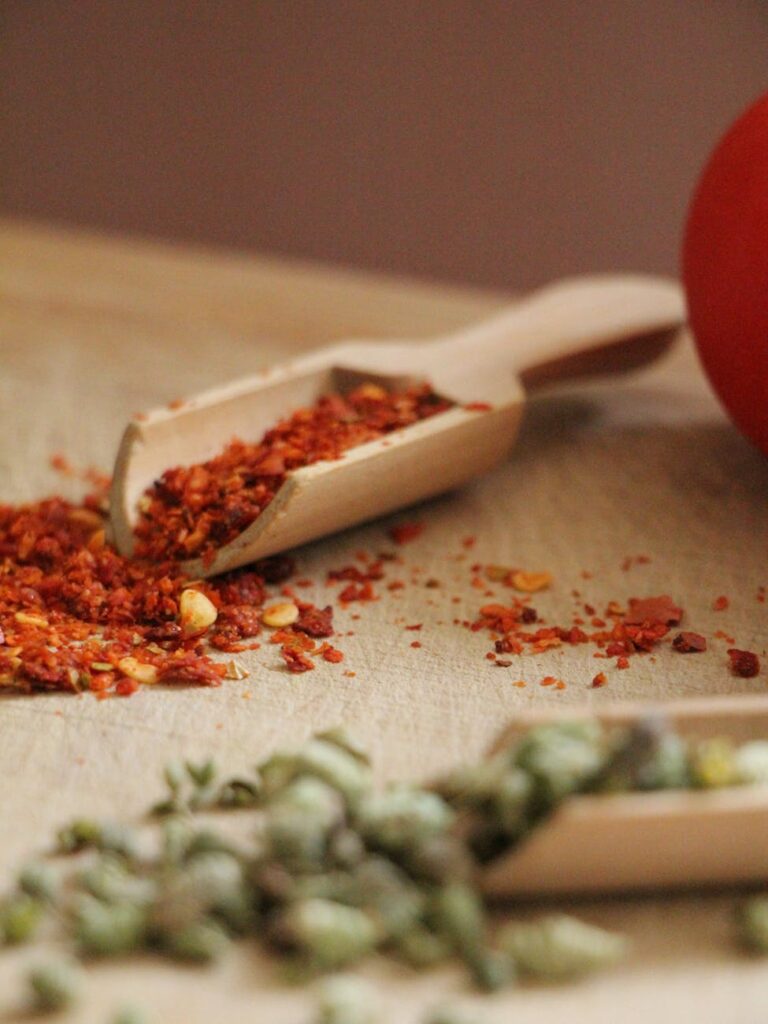
Why Is Dulse So Expensive?
Introduction
Dulse, a red seaweed native to the North Atlantic and Pacific coasts, has garnered significant attention in recent years, both for its unique flavor and its nutritional benefits. As a popular ingredient in global cuisines—particularly in coastal regions—dulse has found its way into a variety of dishes, from salads to snacks. However, one question often arises among culinary enthusiasts and health-conscious consumers alike: Why is dulse so expensive? This article delves into the various factors contributing to the high price of dulse, including its history, production methods, quality grading, and more.
What Is Dulse?
Dulse, or Palmaria palmata, is a type of red algae that thrives in the cold, nutrient-rich waters of the North Atlantic and Pacific Oceans. It is characterized by its flat, broad fronds that can vary in color from reddish-purple to deep burgundy. Dulse is not only admired for its unique taste, often described as umami-rich and slightly salty, but also for its nutritional profile, which includes vitamins, minerals, and antioxidants. Its culinary applications range from seasoning and garnishing to being incorporated into soups, stews, and snacks.
History and Origins
The use of dulse dates back centuries. Indigenous peoples of the North Atlantic coasts, including the Irish and the Native American tribes of the Pacific Northwest, have traditionally harvested dulse for both culinary and medicinal purposes. In Ireland, it has been consumed as a food source for generations, often eaten raw, roasted, or used in soups. The Norse also recognized dulse’s value, incorporating it into their diets during their exploration and settlement of coastal regions.
In modern times, dulse has gained international popularity, especially in health food circles, due to its nutritional benefits. The rising trend toward plant-based diets and sustainable food sources has further fueled interest in dulse, leading to an increase in its demand.
Production and Processing
The production of dulse is labor-intensive and requires specific environmental conditions. Harvesting typically occurs during low tides, and it can be done manually or using specialized equipment. Manual harvesting is prevalent in many regions, particularly in Ireland and Canada, where skilled divers collect dulse directly from the ocean floor. This method ensures that only mature fronds are picked, allowing the ecosystem to remain sustainable.
After harvesting, dulse must be processed quickly to retain its quality. This involves rinsing the seaweed to remove any sand or debris, followed by drying, which can be done naturally in sunlight or through controlled methods that preserve its color and flavor. The drying process is crucial, as moisture content directly affects the shelf life and quality of the final product.
Quality and Grading
The quality of dulse can vary significantly based on factors such as harvesting methods, processing techniques, and geographical origin. When it comes to grading, dulse is typically classified into different categories, including whole fronds, powder, and flakes. Higher-quality dulse tends to be harvested from clean, unpolluted waters and processed with minimal intervention to preserve its natural flavor and nutrient content.
Quality indicators for dulse include color, texture, and aroma. Premium-grade dulse will have a vibrant color, a slightly crisp texture, and a fresh, oceanic scent. The grading process often involves sensory evaluation and laboratory analysis, which can raise the production costs, ultimately impacting the retail price.
Buying Considerations
When purchasing dulse, several factors can influence its cost. The source of the dulse—whether wild-harvested or farmed—plays a significant role. Wild-harvested dulse is often more expensive due to the labor-intensive harvesting process and limited availability. In contrast, farmed dulse can be produced more efficiently but may not always match the flavor profile of its wild counterpart.
Another consideration is the form in which dulse is sold. Whole fronds are typically more costly than flakes or powders, as they require more meticulous processing and handling. Additionally, organic certifications and sustainable harvesting practices can also lead to higher prices, as these methods often involve more rigorous standards and regulations.
Consumers should also take into account the brand reputation and sourcing practices. Established brands that prioritize sustainability and ethical harvesting often charge a premium, but they also provide assurance of quality and environmental stewardship.
Uses and Applications
Dulse is a versatile ingredient that can be used in numerous culinary applications. Its unique umami flavor makes it an excellent seasoning for soups, salads, and grain dishes. Dulse can also be incorporated into snacks, such as seaweed chips, and used as a garnish for various dishes. Additionally, its nutritional content has made it a popular choice in smoothies and health foods, where it can be added in powdered form for a nutrient boost.
Beyond the kitchen, dulse has found applications in the cosmetic and pharmaceutical industries due to its antioxidant properties. Some skincare products incorporate dulse extract for its hydrating and anti-aging benefits, highlighting its versatility beyond culinary uses.
Storage and Shelf Life
The shelf life of dulse can vary depending on its form and storage conditions. Dried dulse can last for several months to a year when stored in a cool, dark place in an airtight container. However, exposure to light, moisture, and air can degrade its quality. Once opened, it is advisable to use dulse within a few months for optimal flavor and nutritional value.
Refrigeration is not typically necessary for dried dulse, but it may help extend freshness in humid environments. For those who purchase large quantities, vacuum sealing can be an effective method to preserve dulse’s quality over time.
Common Misconceptions
Despite its rising popularity, several misconceptions about dulse persist. One common belief is that all seaweeds are created equal in terms of nutritional value. In reality, different types of seaweed offer varying nutrient profiles; dulse is particularly rich in iodine, potassium, and vitamins