
Why Is Fennel Bulb So Expensive?
Introduction
Fennel bulb, a unique and aromatic vegetable belonging to the Apiaceae family, has gained prominence in culinary circles for its distinct flavor and numerous applications. However, the price of fennel bulb often raises eyebrows among consumers and culinary enthusiasts alike. This article explores the multifaceted reasons underlying the relatively high cost of fennel bulb, delving into its history, production, quality grading, and more.
What Is Fennel Bulb?
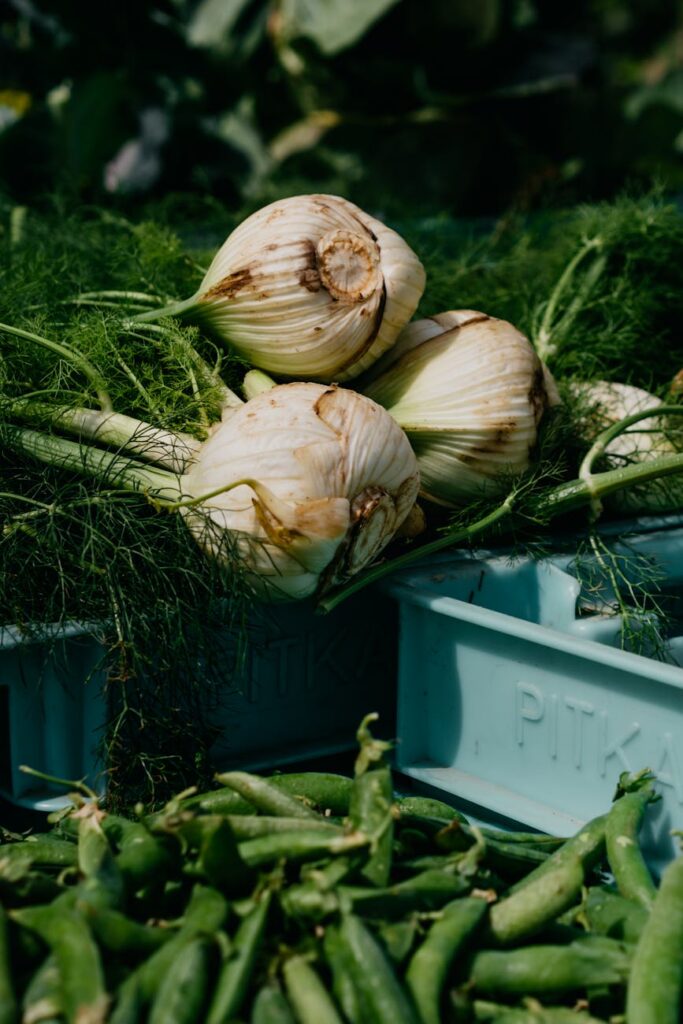
Fennel is a flowering plant that produces a bulbous base, tender stalks, and feathery fronds. The bulb is characterized by a crisp texture and a mild, anise-like flavor that makes it versatile in both raw and cooked dishes. Fennel is not only valued for its culinary uses but also for its aromatic qualities, making it a popular ingredient in various cuisines around the world.
History and Origins
Fennel has a storied history that dates back to ancient civilizations. Originating in the Mediterranean region, it was revered by Greeks and Romans, who utilized it for both culinary and medicinal purposes. Historical texts indicate that fennel was used as a spice and flavoring agent, as well as a digestive aid. As trade routes expanded, fennel spread across Europe and eventually to other continents, where it adapted to local climates and culinary practices.
The cultivation of fennel has evolved over centuries, and today, it is grown in various parts of the world, including Italy, France, India, and the United States. The Mediterranean climate is ideal for fennel production, which requires specific conditions for optimal growth.
Production and Processing
The cost of fennel bulb is significantly influenced by its production and processing methods. Fennel is a biennial plant, meaning it takes two years to complete its life cycle. However, growers typically harvest the bulbs after the first year when they reach a desirable size. The cultivation process is labor-intensive, requiring meticulous attention to detail.
Fennel requires a well-drained soil, ample sunlight, and a specific temperature range to thrive. Farmers must carefully manage irrigation and pest control, which can add to the overall cost of production. Harvesting fennel is often done by hand to ensure that the bulbs remain intact and undamaged, further contributing to labor costs.
Once harvested, fennel bulbs must be processed quickly to maintain their freshness. This involves careful washing and packaging, often requiring additional labor and resources. The combination of these factors leads to a higher price point for consumers.
Quality and Grading
The quality of fennel bulb is an essential factor in its pricing. Like many agricultural products, fennel is graded based on specific criteria, including size, color, and firmness. Higher-quality bulbs that are free from blemishes and have a uniform size tend to command a premium price.
In the market, fennel is often categorized into different grades. Specialty markets and gourmet retailers may offer premium-grade fennel, which can be significantly more expensive than standard varieties. Consumers seeking high-quality ingredients for culinary applications must be prepared to pay a premium for superior fennel bulbs.
Buying Considerations
When purchasing fennel bulb, several factors can influence its price. The seasonality of fennel affects its availability; during peak season, prices may be lower due to higher supply. Conversely, off-season fennel can be scarce, leading to increased prices.
Additionally, the source of the fennel can impact its cost. Locally grown fennel may be more affordable than imported varieties, which incur shipping and handling costs. Organic fennel, which is cultivated without synthetic pesticides or fertilizers, typically commands a higher price due to the costs associated with organic farming practices.
Consumers should also consider the freshness of fennel bulbs. Fresher bulbs not only offer better flavor but also have a longer shelf life, making them a more cost-effective choice in the long run.
Uses and Applications
Fennel bulb is celebrated for its versatility in the kitchen. It can be eaten raw in salads, roasted, grilled, or sautéed, each method offering a different taste experience. Its aromatic qualities enhance everything from soups and stews to seafood dishes and charcuterie boards.
In addition to culinary applications, fennel bulb is also used in the production of certain spirits and liqueurs, where its flavor profile contributes to the complexity of the final product. Chefs and home cooks alike appreciate fennel for its ability to elevate dishes, making it a sought-after ingredient in both casual and fine dining settings.
Storage and Shelf Life
Proper storage of fennel bulb is essential to maintaining its freshness and flavor. When stored in the refrigerator, fennel can last up to a week. It should be kept in a perforated plastic bag or wrapped in a damp cloth to prevent wilting and dehydration.
Freezing fennel is another option for extending its shelf life, although this may alter its texture. To freeze fennel, it is best to blanch the bulbs briefly before placing them in an airtight container. Proper storage practices can help mitigate waste, making the initial investment in fennel more worthwhile.
Common Misconceptions
Despite its culinary popularity, several misconceptions surround fennel bulb. One common myth is that fennel is only suitable for Mediterranean cuisine. In reality, fennel’s flavor profile complements a wide range of dishes from various culinary traditions, including Asian and American cuisines.
Another misconception is that fennel is too strong for everyday use. While its anise-like flavor is distinctive, when prepared correctly, fennel can enhance dishes without overpowering them. Its versatility allows it to be utilized in both subtle and bold applications, depending on the cook’s intent.
Frequently Asked Questions
1. Why is fennel bulb sometimes hard to find?
Fennel bulb may be less available in certain regions due to climate and growing conditions. It thrives in Mediterranean climates, and areas with different weather patterns may not produce fennel as readily. Seasonal fluctuations can also affect availability.
2. How can I select the best fennel bulbs at the store?
When selecting fennel bulbs, look for ones that are firm, heavy for their size, and free from blemishes or browning. The fronds should be vibrant green and fresh-looking, indicating that the bulb is recent and well-preserved.
3. Can fennel bulb be eaten raw?
Yes, fennel bulb can be eaten raw. It adds a crunchy texture and a refreshing flavor to salads and slaws. Thinly slicing or shaving fennel can enhance its palatability when served raw.
4. Is fennel bulb suitable for all diets?
Fennel bulb is a versatile ingredient that can fit into various dietary preferences, including vegetarian, vegan, and gluten-free diets. Its mild flavor and unique texture make it an excellent addition to diverse culinary applications.
5. How should I store fennel bulb to keep it fresh longer?
To keep fennel bulb fresh, store it in the refrigerator in a perforated plastic bag or wrapped in a damp cloth. This helps prevent wilting and maintains moisture. Proper storage can extend its shelf life up to a week.
6. Is there a difference between fennel bulb and fennel fronds?
Yes, fennel bulb and fennel fronds are different parts of the plant. The bulb is the bulbous base used primarily for cooking, while the fronds are the feathery green leaves that can be used as an herb for garnish or flavoring in various dishes.
Conclusion
The expense associated with fennel bulb can be attributed to a combination of factors, including its labor-intensive cultivation, quality grading, and processing requirements. Understanding these elements can help consumers appreciate the value of fennel bulb in their culinary endeavors. As chefs and home cooks continue to explore the versatility of this aromatic vegetable, fennel bulb’s unique flavor and texture will undoubtedly remain a cherished ingredient in kitchens around the world.