
Why Is Fermented Black Garlic So Expensive?
Introduction
Fermented black garlic has emerged as a culinary darling in recent years, celebrated for its unique flavor profile and potential health benefits. However, as consumers increasingly seek out this distinct ingredient, many may wonder why fermented black garlic commands such a high price in the marketplace. This article delves into the factors contributing to its cost, from its historical roots to the intricate production processes involved.
What Is Fermented Black Garlic?
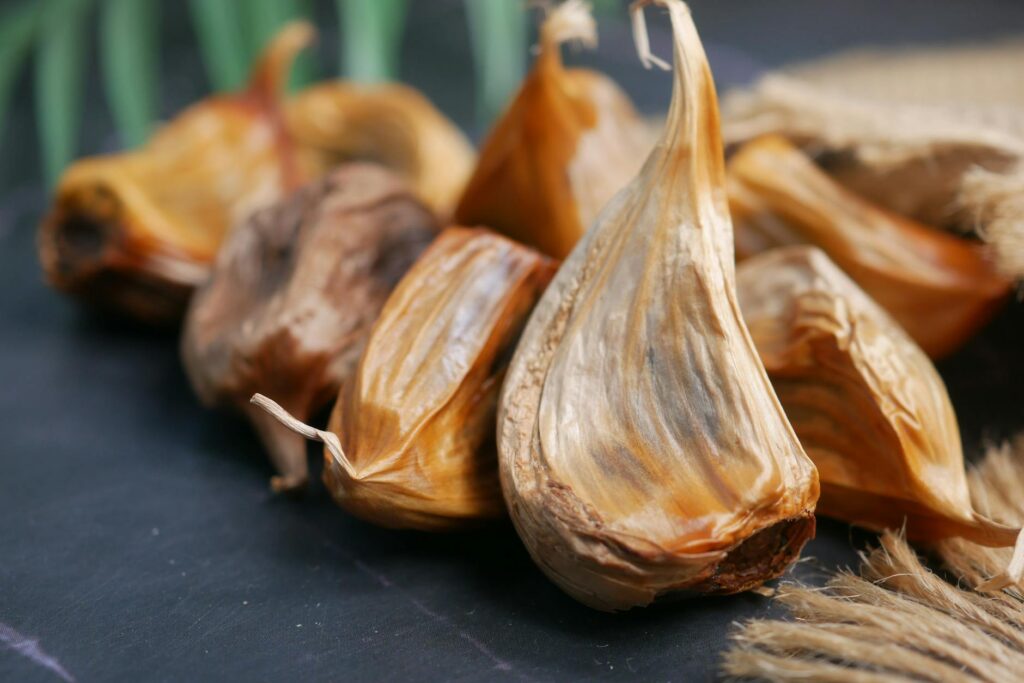
Fermented black garlic is a product derived from raw garlic (Allium sativum) through a controlled fermentation process. The transformation involves aging whole bulbs of garlic at specific temperatures and humidity levels, resulting in a product that is not only visually striking—characterized by its blackened cloves—but also rich in flavor, with a sweet, tangy taste and a complex umami profile.
The fermentation process alters the garlic’s chemical composition, enhancing its antioxidant properties and creating novel compounds that are not present in fresh garlic. This unique transformation is what sets fermented black garlic apart from its raw counterpart, making it a sought-after ingredient in various culinary contexts.
History and Origins
The origins of black garlic can be traced back to various cultures, particularly in Asia. It is believed to have been first produced in Korea, where it has been used for centuries as both a culinary ingredient and a traditional health remedy. Historical texts suggest that black garlic was utilized in Asian cuisine for its flavor-enhancing properties and its supposed health benefits.
As globalization progressed, the popularity of fermented black garlic spread beyond Asia, making its way to Western kitchens and gourmet restaurants. Today, it is celebrated not only for its distinct taste but also for its versatility in cooking, as well as its purported health benefits, although these claims require further scientific scrutiny.
Production and Processing
The production of fermented black garlic is a labor-intensive process that contributes significantly to its cost. The basic steps involve:
1. Selection of Raw Garlic: High-quality raw garlic is chosen based on its size, firmness, and overall quality. The garlic must be fresh and free from blemishes to ensure a successful fermentation process.
2. Controlled Fermentation: The selected garlic bulbs are placed in a controlled environment where temperature and humidity are meticulously regulated. Typically, the aging process lasts between three to four weeks, during which the garlic undergoes a transformation that changes its color, texture, and flavor.
3. Monitoring: Throughout the fermentation process, the garlic must be monitored closely to ensure optimal conditions are maintained. This adds to labor costs, as skilled workers are needed to oversee the process and make adjustments as required.
4. Packaging: Once fermentation is complete, the black garlic is carefully packaged to preserve its unique characteristics and prevent spoilage. This step also requires careful handling to ensure that the product reaches consumers in perfect condition.
The time-consuming nature of this process is a primary reason for the elevated price of fermented black garlic. Unlike regular garlic, which can be harvested and sold relatively quickly, black garlic requires weeks of careful cultivation and monitoring.
Quality and Grading
Not all fermented black garlic is created equal. Quality and grading significantly impact the price. Factors that determine the quality include:
- Source of Garlic: The origin of the garlic used can affect flavor and texture. Garlic varieties from specific regions known for their robust flavor profiles may fetch a higher price.
- Fermentation Time: Longer fermentation times can lead to a more complex flavor, and products that have been aged longer are often considered superior.
- Texture and Appearance: High-quality fermented black garlic should have a smooth, glossy appearance and a soft, tender texture. Any signs of mold or excessive moisture can indicate inferior quality.
- Flavor Profile: Gourmet varieties will have a richer, more complex flavor, which can justify a higher price point.
- Brand Reputation: Opt for brands known for quality and transparency in their production processes. Researching reviews and sourcing can help you make an informed decision.
- Price per Clove: Since fermented black garlic is often sold in bulbs or pre-packaged cloves, understanding the price per clove can help gauge value. Comparing similar products can also provide insight into reasonable pricing.
- Packaging: Look for products that are well-packaged to ensure freshness. Vacuum-sealed options often preserve flavor and texture better than those in loose packaging.
- Organic Certification: Some consumers may prefer organic options, which can influence price due to the costs associated with organic farming practices.
- Local vs. Imported: Depending on your location, local producers may offer fresher products at a lower price than imported varieties. Supporting local businesses can also provide a unique culinary experience.
- Sauces and Dressings: Its sweet and tangy profile makes it an excellent addition to sauces, dressings, and marinades, providing depth and complexity.
- Soups and Stews: Fermented black garlic can add a rich umami flavor to soups and stews, elevating the overall taste without overpowering other ingredients.
- Spreads and Dips: Blending it into spreads or dips can create a gourmet touch for appetizers or snacks.
- Garnishing: The striking appearance of fermented black garlic allows it to be used as a garnish, adding both visual appeal and flavor to finished dishes.
- Complementing Proteins: It pairs well with meats and seafood, bringing out the natural flavors of these proteins.
- Refrigeration: Once opened, it is best to store fermented black garlic in the refrigerator, where it can remain fresh for several weeks.
- Freezing: For longer storage, fermented black garlic can be frozen. This preserves its flavor and texture, but it is advisable to use airtight containers to prevent freezer burn.
- Avoiding Moisture: Keeping the product in a dry environment is essential, as moisture can lead to spoilage or mold growth.
- Expiration Dates: Pay attention to expiration dates on packaging and consume the product within the recommended timeframe for optimal flavor and quality.
- Fermented Garlic Is Safe: Some might worry about the safety of fermented products. However, when produced under controlled conditions, fermented black garlic is safe to eat and free from harmful bacteria.
- Not Just for Health Benefits: While many people seek out fermented black garlic for its potential health benefits, it is primarily a culinary ingredient. Its unique flavor should be the primary reason for its use in cooking.
- Fermentation Is Not Spoilage: The fermentation process is often confused with spoilage. In fact, fermentation is a controlled process that enhances the flavor and nutritional profile of garlic.
- Black garlic is often used interchangeably with fermented black garlic, but the key distinction is that true fermented black garlic undergoes a specific fermentation process that enhances its flavor and health benefits.
- While it is possible to make black garlic at home using a rice cooker or slow cooker, achieving the optimal fermentation conditions can be challenging. Commercial products often guarantee quality that may be difficult to replicate at home.
- Fermented black garlic can be used in a variety of dishes, including sauces, soups, and dressings. Its unique flavor makes it a versatile ingredient in both savory and sweet applications.
- Yes, fermented black garlic is naturally gluten-free, making it suitable for those with gluten sensitivities or celiac disease.
- Signs of spoilage include an off odor, excessive moisture, or visible mold. If any of these are present, it is best to discard the product.
- While many claim various health benefits, including antioxidant properties, scientific research is ongoing. It is essential to consume fermented black garlic primarily for its flavor rather than solely for potential health claims.
Consumers looking to invest in fermented black garlic should be aware that premium products often come with a higher price tag, reflecting their superior quality.
Buying Considerations
When purchasing fermented black garlic, several factors should be taken into account:
Uses and Applications
Fermented black garlic is versatile in culinary applications, making it a worthwhile investment for both home cooks and professional chefs. Its unique flavor can enhance a variety of dishes, including:
Given its wide-ranging applications, the potential for culinary innovation with fermented black garlic is vast, making it a valuable addition to any kitchen.
Storage and Shelf Life
Proper storage is crucial to maintaining the quality and flavor of fermented black garlic. Here are some essential tips:
By following these guidelines, consumers can enjoy the full benefits of fermented black garlic without compromising its unique qualities.
Common Misconceptions
As with many specialty ingredients, misconceptions about fermented black garlic abound. Here are a few clarifications:
Frequently Asked Questions
1. What is the difference between black garlic and fermented black garlic?
2. Can I make black garlic at home?
3. How should I incorporate fermented black garlic into my diet?
4. Is fermented black garlic gluten-free?
5. How can I tell if my fermented black garlic has gone bad?
6. What health benefits are associated with fermented black garlic?
Conclusion
Fermented black garlic is a unique ingredient that offers a rich, complex flavor, making it a valuable addition to many culinary creations. The factors contributing to its high price include the labor-intensive production process, quality grading, and the careful selection of raw materials. As consumers become more discerning about their culinary choices, understanding the intricacies behind ingredients like fermented black garlic can enhance both appreciation and enjoyment in the kitchen. By knowing what to look for and how to use this ingredient, one can make the most of their investment in fermented black garlic.