
Why Is Ginger So Expensive?
Introduction
Ginger, a rhizome renowned for its distinctive flavor and aroma, has captured the hearts of culinary enthusiasts and health aficionados alike. While it is a staple in many kitchens around the globe, its price can often surprise consumers. This article aims to delve into the factors contributing to the cost of ginger, exploring its history, production methods, quality grading, and more. By understanding these elements, one can appreciate not just the flavor of ginger but also the intricate journey it takes from farm to table.
What Is Ginger?
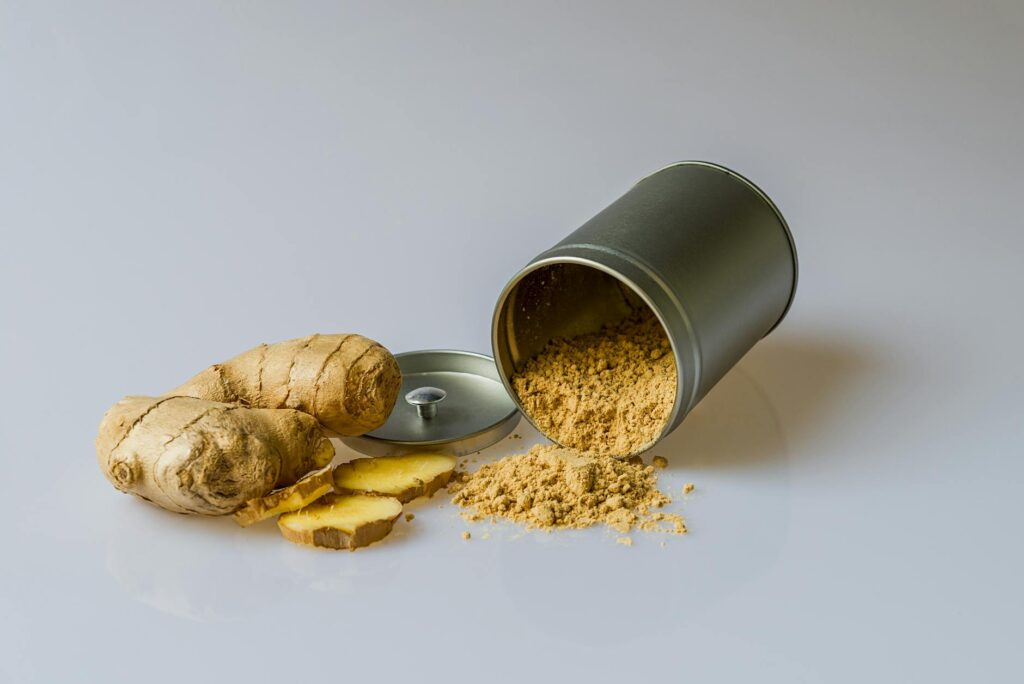
Ginger (Zingiber officinale) is a flowering plant belonging to the family Zingiberaceae. The part most commonly used is its rhizome, which is characterized by its knobby, brown skin and pale yellow flesh. This versatile ingredient is celebrated not only for its unique spicy-sweet flavor but also for its aromatic qualities that enhance a variety of dishes. Found in both fresh and dried forms, ginger plays a crucial role in cuisines worldwide, from Asian stir-fries to Western baked goods.
History and Origins
Ginger has a storied history that dates back over 5,000 years. Originating in Southeast Asia, it was one of the first spices to be cultivated and traded. The ancient Greeks and Romans valued ginger not only for its culinary potential but also for its supposed medicinal properties. It made its way to Europe via trade routes, becoming a highly sought-after commodity during the Middle Ages. By the time of the Age of Exploration, ginger was being shipped across the globe, further establishing its importance in various cultures.
Today, ginger is cultivated in numerous countries, with India, China, and Indonesia being the largest producers. Its versatility and adaptability have allowed it to thrive in diverse climates, contributing to its status as a global spice.
Production and Processing
The production of ginger is a labor-intensive process that significantly impacts its cost. Ginger is typically planted in the spring and harvested in the fall, requiring specific climatic conditions to flourish. The cultivation involves several steps:
1. Planting: Ginger is propagated using seed rhizomes, which must be carefully selected for quality. The planting process is labor-intensive, requiring manual labor to ensure proper spacing and depth.
2. Growing Conditions: Ginger thrives in warm, humid environments with well-draining soil. Farmers must monitor irrigation and pest control meticulously, often relying on organic methods to ensure the quality of the rhizome.
3. Harvesting: Harvesting ginger is a delicate process. Farmers must uproot the rhizomes without damaging them, which requires skilled labor and can be physically demanding.
4. Processing: After harvesting, ginger undergoes cleaning and grading. Depending on its intended use—whether fresh, dried, or powdered—ginger may also be peeled or sliced.
5. Transportation and Distribution: Once processed, ginger must be transported to markets. This involves logistics that can be costly, especially if the ginger is being shipped internationally.
These stages of production contribute significantly to the overall cost of ginger, making it more expensive than many other spices.
Quality and Grading
The quality of ginger is not uniform; it varies based on several factors including origin, harvesting methods, and post-harvest handling. Ginger is typically graded based on size, appearance, and firmness. Higher-quality ginger, often referred to as “fresh ginger,” has a smooth skin, firm texture, and a pungent aroma. In contrast, lower-quality ginger may have blemishes, a shriveled appearance, or lack the characteristic spiciness.
Grading systems can differ by region, but in general, consumers can expect to pay a premium for high-quality ginger. The investment in better-quality ginger can enhance the overall flavor and culinary experience, making it a worthwhile consideration for chefs and home cooks alike.
Buying Considerations
When purchasing ginger, consumers should consider several factors that can influence both the quality and price:
1. Freshness: Fresh ginger is generally more expensive than dried or powdered forms due to its perishable nature. Look for firm rhizomes with a strong aroma; avoid those that appear wrinkled or soft.
2. Source: Ginger sourced from reputable suppliers or organic farms may command higher prices. Organic ginger is grown without synthetic pesticides or fertilizers, contributing to its premium cost.
3. Form: The price of ginger can vary significantly depending on whether it is fresh, dried, or powdered. Fresh ginger tends to be the most expensive, followed by dried forms, with powdered ginger usually being the least expensive option.
4. Market Trends: Prices can fluctuate based on market demand, seasonal availability, and even global trade conditions. Staying informed about these trends can help consumers make more cost-effective purchasing decisions.
Uses and Applications
Ginger is a versatile ingredient with a myriad of culinary applications. Its pungent flavor profile enhances everything from savory dishes to sweet confections. Here are some common uses:
1. Culinary: As a spice, ginger is a key ingredient in many cuisines, providing warmth and depth to soups, stir-fries, marinades, and baked goods.
2. Beverages: Ginger is widely used in drinks, ranging from traditional ginger tea to contemporary cocktails. Its flavor complements both sweet and spicy beverages.
3. Confectionery: Ginger is a popular flavor in candies, cookies, and cakes. The warming quality of ginger makes it particularly appealing in baked goods.
4. Preservation: Ginger can also serve as a natural preservative. Its antimicrobial properties make it suitable for pickling and other preservation methods.
5. Culinary Fusions: With the rise of global cuisine, chefs are increasingly experimenting with ginger in fusion dishes, blending it with various culinary traditions to create innovative flavor combinations.
Storage and Shelf Life
The storage conditions of ginger significantly affect its shelf life and quality. Fresh ginger should be stored in a cool, dry place, ideally in a paper bag or a breathable container. When stored properly, fresh ginger can last for several weeks in the refrigerator.
For longer storage, ginger can be frozen, which preserves its flavor and quality. Dried and powdered ginger have a longer shelf life but should still be stored in airtight containers away from light and moisture to maintain their potency.
Understanding these storage considerations ensures that consumers maximize the value of their investment in ginger.
Common Misconceptions
Despite its popularity, there are several misconceptions about ginger that can lead to misunderstandings regarding its value and use:
1. All Ginger Is the Same: Many people assume all ginger is of equal quality. In reality, the flavor and potency can vary significantly based on origin and processing.
2. Dried Ginger Is Always Inferior: While fresh ginger is often considered superior, dried ginger can still provide excellent flavor and is convenient for long-term storage.
3. Ginger Is Only for Cooking: Ginger is not solely a culinary ingredient. Its versatility extends to beverages, confectionery, and even beauty products.
4. Price Equals Quality: While price can be an indicator of quality, it is not a definitive measure. Consumers should consider other factors such as appearance, aroma, and source.
Frequently Asked Questions
1. Why is fresh ginger more expensive than dried ginger?
Fresh ginger requires more careful handling and has a shorter shelf life, which increases its cost. Additionally, the labor-intensive process of harvesting and processing fresh ginger contributes to its higher price.
2. How can I tell if ginger is fresh?
Look for firm, plump rhizomes with smooth skin and a strong, spicy aroma. Avoid ginger that is shriveled, moldy, or has soft spots, as these indicate it may be past its prime.
3. Can I grow ginger at home?
Yes, ginger can be grown at home in containers or garden beds. It requires warm temperatures, well-draining soil, and regular watering to thrive.
4. What is the difference between young ginger and mature ginger?
Young ginger, often referred to as “spring ginger,” has a milder flavor and is more tender compared to mature ginger, which has a spicier and more robust flavor.
5. Is organic ginger worth the extra cost?
Organic ginger is cultivated without synthetic pesticides or fertilizers, which can result in a purer flavor and environmental benefits. For many, the taste and ethical considerations make organic ginger worth the extra cost.
6. How should I store ginger to maximize its shelf life?
Fresh ginger should be stored in a cool, dry place or in the refrigerator. For long-term storage, it can be frozen. Dried and powdered ginger should be kept in airtight containers away from light and moisture.
Conclusion
The intricate journey of ginger from farm to kitchen explains its often higher price point. From its historical significance to the labor-intensive methods of cultivation and processing, each factor contributes to the overall cost of this beloved spice. By understanding these elements, consumers can make informed decisions, appreciating not only the flavor of ginger but also the rich narrative and labor behind it.