
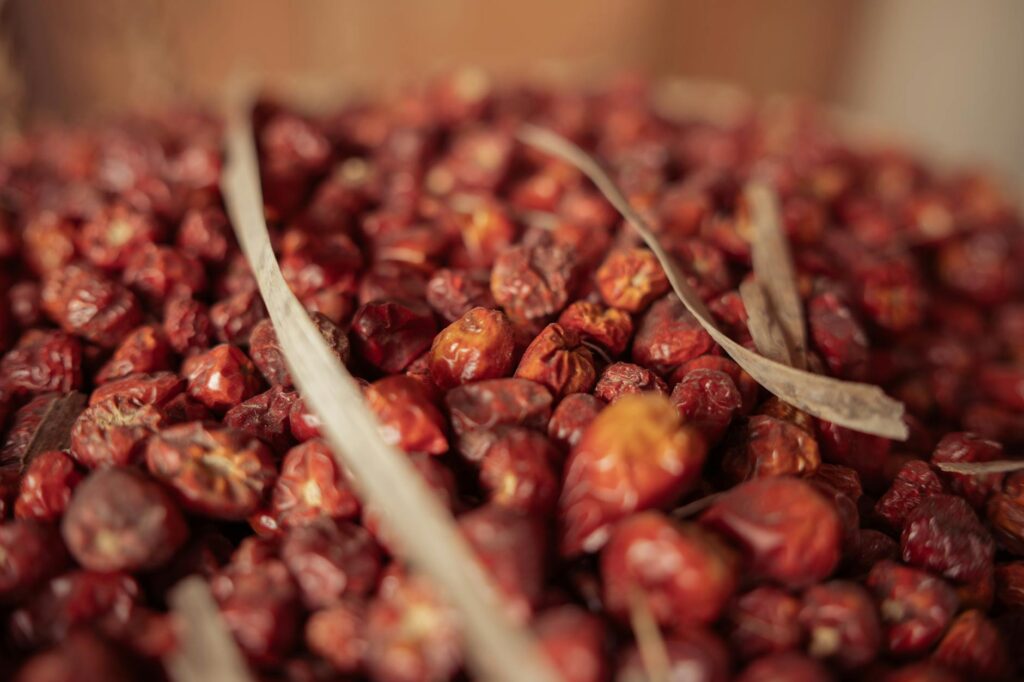
Why Is Jujube So Expensive?
Introduction
Jujube, often referred to as the red date or Chinese date, is a fruit that has garnered attention for its unique flavor and nutritional profile. While it is celebrated in various culinary traditions, its price point can be a point of confusion for consumers. This article delves into the multifaceted reasons behind the high cost of jujube, exploring its history, production methods, quality grading, and much more.
What Is Jujube?
Jujube (Ziziphus jujuba) is a deciduous tree native to Southern Asia, particularly in China, where it has been cultivated for thousands of years. The fruit, which resembles a small date, comes in various cultivars that differ in flavor, texture, and color. The jujube can be consumed fresh, dried, or processed into products like jujube paste, tea, and wine. Its sweet and mildly tangy flavor profile makes it a versatile ingredient in both savory and sweet dishes.
History and Origins
Jujube’s history dates back over 4,000 years, making it one of the oldest cultivated fruits. Its origins trace back to China, where it was first mentioned in ancient texts. The fruit was traditionally valued not only for its culinary use but also for its perceived health benefits. Over centuries, jujube spread to other parts of Asia and eventually to the Middle East and Mediterranean regions.
In ancient Chinese culture, jujube was often linked to prosperity and longevity. It was used in various traditional dishes and medicinal concoctions, reinforcing its importance in Chinese society. Today, jujube continues to hold cultural significance, particularly in festivals and celebrations.
Production and Processing
The production of jujube is labor-intensive, which contributes significantly to its cost. Jujube trees require specific climatic conditions to thrive, including distinct seasons with warm summers and cool winters. Most commercial production occurs in countries like China, Korea, and the United States, particularly in California.
Harvesting jujubes is a meticulous process. The fruits are typically hand-picked to avoid damage, especially since they ripen at different times. Once harvested, jujubes can be consumed fresh or processed into various forms. Drying is a common method, as it enhances the fruit’s sweetness and extends its shelf life. This drying process can take several days and requires careful monitoring to ensure optimal flavor and texture.
Quality and Grading
The quality of jujube is assessed based on several factors, including size, color, moisture content, and flavor. Premium grades typically feature larger, plumper fruits with a vibrant color and natural sweetness. Grading systems may vary by region, but the overall emphasis is on the fruit’s appearance and taste.
High-quality jujubes are often sourced from older trees, which tend to produce more flavorful fruit. Additionally, organic farming practices can further elevate the quality and price of jujube. As consumers become more health-conscious, demand for organically grown produce has surged, driving up prices further.
Buying Considerations
When purchasing jujube, several factors can influence its price. Seasonal availability plays a significant role; fresh jujubes are typically more expensive when out of season. Dried jujubes can also vary in price based on their processing method and quality.
Moreover, the source of the jujube can affect its cost. Specialty retailers and organic markets may offer jujubes at a premium compared to mass-market grocery stores. Consumers should also consider the form in which they wish to purchase jujube—fresh, dried, or processed—as each comes with its own pricing structure.
Uses and Applications
Jujube is a versatile ingredient found in various culinary applications. In Asian cuisine, it is often used in soups, teas, and desserts. The dried fruit is particularly popular for its chewy texture and sweet flavor, making it an excellent addition to trail mixes, granola bars, and baked goods.
In addition to culinary uses, jujube has found its way into the cosmetic and wellness industries. Extracts derived from jujube are often used in skincare products for their hydrating properties. Furthermore, jujube’s rich antioxidant profile has made it a popular choice for health-conscious consumers seeking natural supplements.
Storage and Shelf Life
The shelf life of jujube varies depending on its form. Fresh jujubes should be stored in the refrigerator and consumed within a week for optimal freshness. If the fruit is dried, it can last for several months when kept in an airtight container in a cool, dry place.
It’s essential to note that exposure to moisture can significantly reduce the shelf life of dried jujubes, leading to spoilage. Therefore, proper storage practices are crucial to maintaining their quality and extending their usability.
Common Misconceptions
One common misconception about jujube is that it is merely a novelty fruit without significant culinary or nutritional value. In reality, jujube is rich in vitamins and minerals, including vitamin C, potassium, and various antioxidants. Its sweet flavor makes it a desirable ingredient in both traditional and modern dishes.
Another misunderstanding is related to its price. Many consumers may wonder why jujube is often more expensive than other dried fruits. The reasons are manifold, including its labor-intensive production, limited growing regions, and the growing demand for high-quality, organic options.
Frequently Asked Questions
1. What does jujube taste like?
- Jujube has a sweet and slightly tangy flavor, reminiscent of dates or apples. Its texture can range from crunchy when fresh to chewy when dried.
- Yes, fresh jujube can be eaten raw, often enjoyed for its crisp texture and sweetness.
- Look for plump, evenly colored fruits without blemishes.
2. Can jujube be eaten fresh?
3. How do I choose high-quality jujube?