
Why Is Kefir Lime Leaves So Expensive?
Introduction
Kefir lime leaves, known scientifically as Citrus hystrix, are a culinary treasure in Southeast Asian cuisine, particularly in Thai and Indonesian dishes. Renowned for their unique, aromatic flavor, these leaves have gained a reputation not only for their culinary uses but also for their high market price. This article delves into the factors contributing to the expense of kefir lime leaves, offering insights into their background, production, quality, and practical applications.
What Is About?
Kefir lime leaves are the dark green, glossy leaves of the Kaffir lime tree. The leaves are oval-shaped and typically grow in pairs, with a distinctive aroma reminiscent of citrus and lemongrass. They are prized for their ability to impart a fragrant, zesty quality to various dishes, making them a staple in many Asian cuisines. The leaves are often used fresh but can also be dried or ground into a powder for various culinary applications.
History and Origins
The Kaffir lime tree is native to Southeast Asia, and its leaves have been used in traditional cooking for centuries. The tree is believed to have originated in the tropical regions of Southeast Asia, spreading to various countries, including Thailand, Malaysia, and Indonesia. Historically, the leaves were utilized not just for culinary purposes but also in traditional medicine, rituals, and even as a natural insect repellent.
In recent years, the growing global interest in Asian cuisines has led to a surge in the popularity of kefir lime leaves, allowing them to transcend their regional roots and find a place in kitchens worldwide. This shift has contributed significantly to their market price, as demand often outstrips supply.
Production and Processing
The cultivation of kefir lime trees is a labor-intensive process, which significantly impacts the cost of the leaves. These trees thrive in warm, humid climates and require specific soil conditions to flourish. The following factors contribute to the complexity of their production:
1. Growing Conditions: Kefir lime trees require well-drained soil and plenty of sunlight. They are sensitive to temperature fluctuations and can be adversely affected by pests and diseases, necessitating careful monitoring and management.
2. Harvesting: The leaves are typically hand-harvested to ensure minimal damage. This labor-intensive practice increases production costs. Each tree yields leaves that must be carefully selected based on their size, color, and aroma, contributing to the overall expense.
3. Seasonality: Kefir lime trees produce leaves year-round; however, the peak harvesting season can vary by region. During off-peak seasons, the scarcity of fresh leaves can drive up prices.
4. Transportation and Logistics: Given that kefir lime leaves are perishable, they require efficient logistics and careful transportation to maintain their quality. This often involves refrigeration and expedited shipping, further contributing to their price.
Quality and Grading
The quality of kefir lime leaves can vary significantly based on several factors, including the age of the leaves, the growing conditions, and the harvesting methods. High-quality leaves are vibrant green, aromatic, and free from blemishes or discoloration.
Quality grading is crucial in determining market value. Leaves that meet specific standards for size, aroma, and freshness command a higher price. Additionally, organic certification can further elevate the cost, as organic farming practices often involve more labor and yield lower quantities.
Buying Considerations
When purchasing kefir lime leaves, there are several factors to consider that can influence their price:
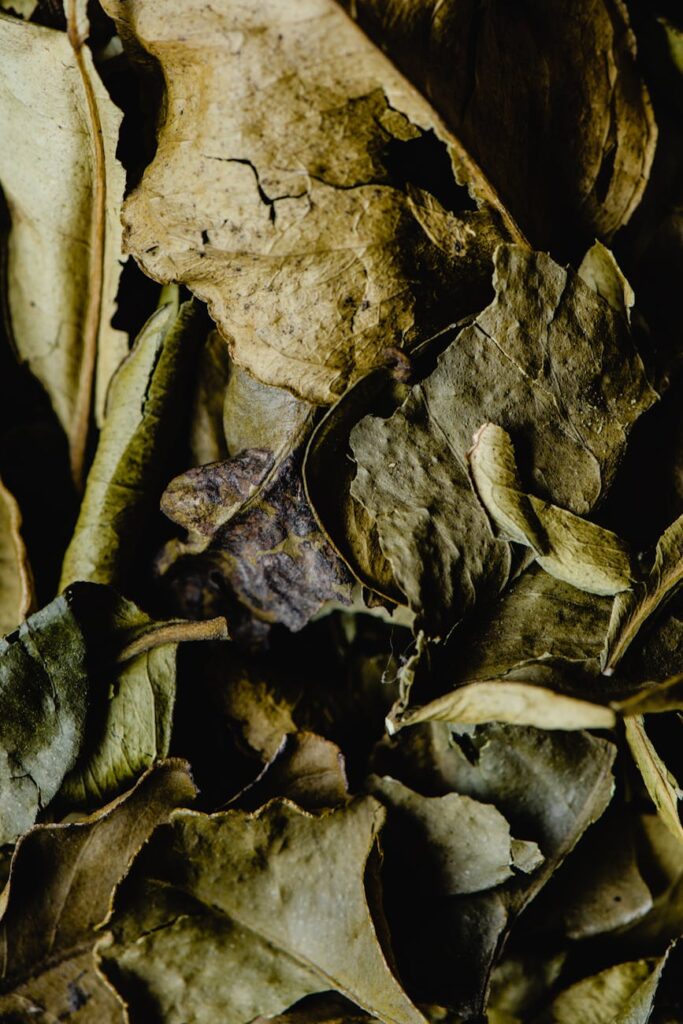
1. Fresh vs. Dried: Fresh leaves tend to be more expensive due to their perishable nature and the labor involved in harvesting. Dried leaves, while more affordable, may not offer the same intensity of flavor.
2. Source: Locally-sourced leaves may be less expensive than imported ones, particularly when considering shipping and quality preservation. However, the authenticity of flavor may also be affected by the geographical origin.
3. Organic vs. Conventional: Organic kefir lime leaves often come at a premium, reflecting the extra care and sustainable practices involved in their cultivation.
4. Packaging: Leaves sold in bulk may be less expensive than those in retail packaging. However, packaging can also affect shelf life and convenience.
Uses and Applications
Kefir lime leaves are versatile ingredients, adding depth to a variety of dishes. They are primarily used in:
- Soups and Curries: The leaves impart a fragrant, citrusy note, enhancing the overall flavor profile of soups and curries.
- Marinades and Sauces: Chopped or bruised leaves are often included in marinades and sauces to add complexity.
- Stews and Stir-Fries: Their aromatic qualities can elevate simple dishes, making them a favorite in many home kitchens and restaurants.
In addition to culinary uses, kefir lime leaves are sometimes incorporated into natural beauty and wellness products due to their aromatic properties and traditional uses in herbal remedies.
Storage and Shelf Life
Kefir lime leaves can be delicate and require proper storage to maintain their freshness. Fresh leaves should be kept in a sealed plastic bag in the refrigerator, where they can last for up to two weeks. For longer preservation, they can be frozen, retaining their flavor for several months.
Dried leaves, though more shelf-stable, should be stored in an airtight container in a cool, dark place to prevent loss of flavor and aroma. While dried leaves can last for a year or more, they may not provide the same intensity of flavor as fresh ones.
Common Misconceptions
Several misconceptions surround kefir lime leaves that can lead to misunderstandings regarding their price and usage:
1. Misidentification: Some consumers confuse kefir lime leaves with other citrus leaves, such as those from the regular lime tree. While they may look similar, the flavor profiles are distinctly different, affecting their culinary applications