
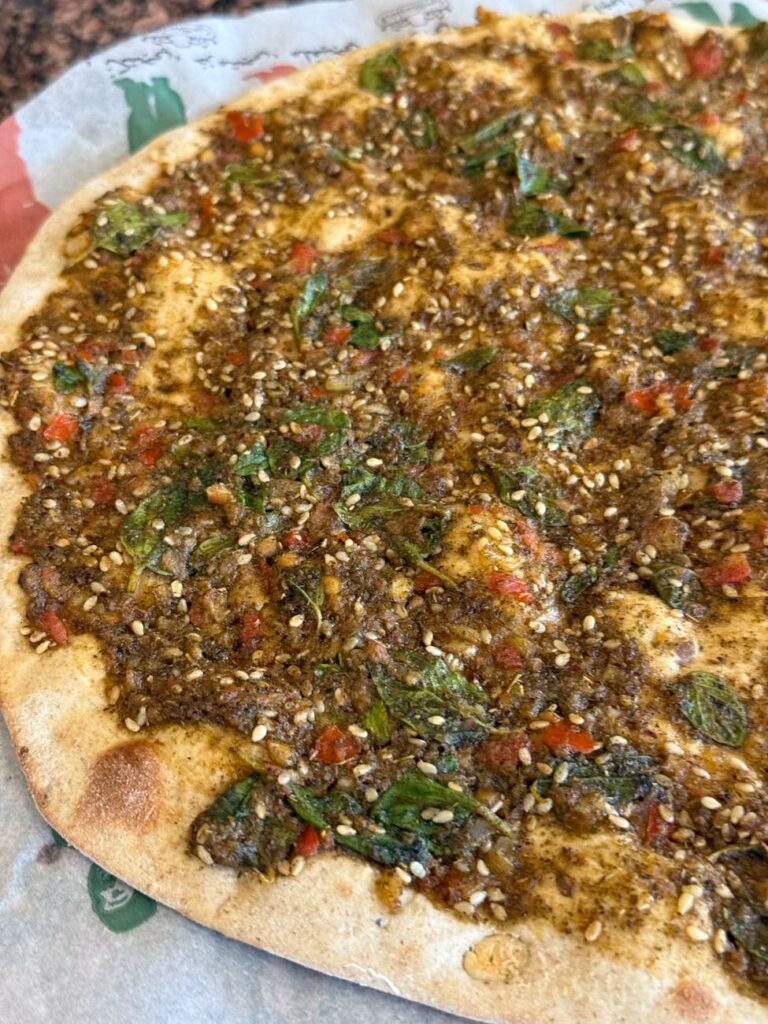
Why Is Lebanese Bread So Expensive?
Introduction
Lebanese bread, often referred to as “pita bread” or “Arabic bread,” is a staple in Middle Eastern cuisine and is celebrated for its unique texture and flavor. This flatbread, with its characteristic pocket, serves as a versatile base for numerous dishes, from wraps to dips. However, many consumers have noted that Lebanese bread can be surprisingly expensive, particularly in regions outside of the Middle East. This article explores the various factors contributing to the cost of Lebanese bread, including its history, production processes, quality considerations, and more.
What Is Lebanese Bread?
Lebanese bread is a type of flatbread made primarily from wheat flour, water, salt, and yeast. It is traditionally baked in a hot oven, creating a characteristic puff that results in a hollow pocket within the bread. This unique feature allows it to be used as a vessel for various fillings, making it a popular choice for dishes like shawarma, falafel, and mezze. Beyond its culinary applications, Lebanese bread is culturally significant, often symbolizing hospitality and community in Middle Eastern societies.
History and Origins
The origins of Lebanese bread can be traced back thousands of years to the Middle Eastern region, known as the “Cradle of Civilization.” The practice of baking flatbreads is ancient, with evidence suggesting that early forms of pita were consumed by various cultures, including the Sumerians and Egyptians. Over time, Lebanese bread evolved into its modern form, becoming a staple in Lebanese households and reflecting the rich agricultural heritage of the region.
The bread’s widespread popularity can be attributed to its adaptability in various cuisines, not just limited to Lebanese or Middle Eastern dishes. As globalization has brought an influx of culinary influences to the West, Lebanese bread has found a new audience, contributing to its growing demand and, consequently, its price.
Production and Processing
The production of Lebanese bread involves several steps that contribute to its quality and cost. The primary ingredients—wheat flour, water, salt, and yeast—must be of high quality to achieve the desired texture and flavor.
1. Ingredient Sourcing: The quality of flour, particularly the type of wheat used, significantly impacts the final product. Many artisanal bakeries and producers opt for high-gluten flour, which can be more expensive than standard all-purpose flour. Additionally, sourcing quality yeast and water adds to the overall cost.
2. Dough Preparation: The dough must be carefully mixed and kneaded to develop gluten, which gives the bread its structure. This process requires skill and precision, often performed by experienced bakers.
3. Fermentation: The dough undergoes fermentation, allowing it to rise and develop flavor. Traditional methods often involve longer fermentation times, which enhance the bread’s taste but also require more time and labor.
4. Baking: Lebanese bread is typically baked at high temperatures in specialized ovens, such as taboon or stone ovens. These ovens can be costly to construct and maintain, yet they are crucial for achieving the bread’s distinctive puff and texture.
5. Cooling and Packaging: After baking, the bread must cool properly to maintain its quality. Proper packaging is also essential to preserve freshness, adding another layer to production costs.
The combination of high-quality ingredients, skilled labor, and specialized equipment results in a product that is both delicious and more expensive than mass-produced alternatives.
Quality and Grading
The quality of Lebanese bread varies significantly depending on production methods, ingredient quality, and regional differences. There are generally two categories of Lebanese bread: artisanal and mass-produced.
1. Artisanal Bread: Typically found in bakeries specializing in traditional methods, artisanal Lebanese bread is often made with organic or locally sourced ingredients. The baking process is labor-intensive, involving longer fermentation times and more hands-on techniques. This results in a superior product with enhanced flavor, texture, and nutritional value, but also a higher price point.
2. Mass-Produced Bread: While more affordable, mass-produced Lebanese bread often compromises on quality. Manufacturers may use lower-grade flour and additives to extend shelf life, resulting in a bread that may lack the authentic taste and texture of traditional varieties.
Consumers often pay a premium for artisanal bread, reflecting not just the ingredients but also the craftsmanship and time involved in its production.
Buying Considerations
When purchasing Lebanese bread, consumers should consider several factors that can affect both quality and cost:
1. Source: Opt for local bakeries or specialty stores that focus on authentic Lebanese bread. These establishments are more likely to use high-quality ingredients and traditional baking methods.
2. Ingredients: Look for bread made with simple, recognizable ingredients. Avoiding additives and preservatives will not only enhance flavor but also provide a more authentic culinary experience.
3. Freshness: Freshly baked bread is always preferable, as it has a more appealing texture and flavor. Check the packaging for production dates or ask the baker directly.
4. Price: While higher prices may be daunting, remember that quality often correlates with cost. Investing in premium bread can enhance your dining experience and support local artisans.
Uses and Applications
Lebanese bread serves a multitude of culinary purposes, making it a valuable addition to various dishes.
1. Wraps and Sandwiches: Its pocket allows for easy filling, making it an ideal choice for wraps or sandwiches filled with meats, vegetables, and sauces.
2. Dips: Lebanese bread pairs well with dips such as hummus, baba ghanoush, and tzatziki, acting as a vehicle for these flavorful spreads.
3. Accompaniment: It can be served alongside meals, replacing utensils for scooping up stews, salads, and grilled meats.
4. Snacks: Toasted or grilled Lebanese bread can be enjoyed as a snack, often seasoned with herbs or spices for added flavor.
The versatility of Lebanese bread enhances