
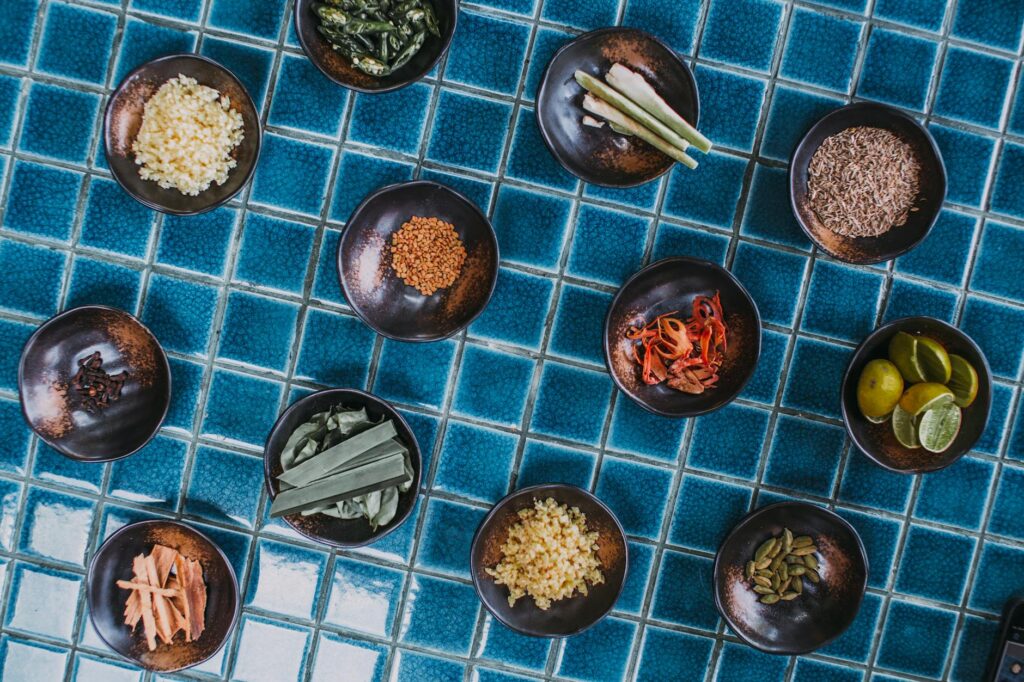
Why Is Lemongrass So Expensive?
Introduction
Lemongrass, a fragrant herb renowned for its citrusy flavor and aroma, is a staple in various global cuisines, particularly in Southeast Asian culinary traditions. Its rising popularity in the culinary world, coupled with its unique properties, has led to an increased demand, subsequently driving up its market price. This article delves into the factors contributing to the cost of lemongrass, examining its historical roots, production methods, quality grading, and more.
What Is Lemongrass?
Lemongrass (Cymbopogon citratus) is a tropical plant belonging to the grass family, Poaceae. Recognized for its tall, slender stalks and fragrant leaves, lemongrass is often used fresh, dried, or as an essential oil. The herb is celebrated not only for its culinary uses but also for its aromatic qualities in teas, perfumes, and household products. Its flavor profile is bright and lemony, making it a versatile ingredient that enhances a variety of dishes, from soups and curries to marinades and beverages.
History and Origins
Lemongrass has a rich historical background, believed to have originated in Southeast Asia. Its use dates back centuries, with evidence suggesting that it was employed in ancient culinary and medicinal practices. The herb has spread across the globe, finding its way into Indian, Thai, Vietnamese, and Caribbean cuisines.
In traditional medicine, lemongrass has been valued for its anti-inflammatory and antibacterial properties, contributing to its cultivation in various regions. Its adaptability to different climates has allowed it to flourish in tropical and subtropical areas, which are essential for its growth.
Production and Processing
The cultivation of lemongrass requires specific climatic conditions, thriving in warm, humid environments. Major producers include countries like Thailand, India, Vietnam, and Brazil.
Cultivation Practices
Lemongrass is typically propagated through division rather than seeds. Farmers plant sections of the stalk, which then root and grow into new plants. This method not only ensures the consistency of the herb’s characteristics but also allows for quicker harvest cycles.
Harvesting
Harvesting lemongrass is labor-intensive, requiring skilled workers who can identify the optimal time for collection. The leaves and stalks are usually harvested manually to avoid damaging the plant, which can lead to diminished yields in subsequent harvests. The timing of the harvest is crucial; if collected too late, the stalks become woody and lose their desirable flavor and aroma.
Processing
Once harvested, lemongrass must be processed promptly to maintain freshness. This typically involves washing, trimming, and packaging. For dried lemongrass, the stalks are cut into smaller pieces and dehydrated under controlled conditions to preserve their essential oils and flavor. Essential oils derived from lemongrass are also extracted through steam distillation, adding another layer to its production complexities.
Quality and Grading
The quality of lemongrass is determined by several factors, including freshness, aroma, and appearance. The grading of lemongrass can vary among producers and regions, but generally, it can be classified into several categories:
1. Fresh Lemongrass: This is the highest quality, characterized by vibrant green stalks and a strong citrus scent. Fresh lemongrass is often sought after by chefs and culinary enthusiasts.
2. Dried Lemongrass: While it retains some flavor and aroma, dried lemongrass is generally considered inferior to its fresh counterpart.
3. Lemongrass Oil: This high-grade product is extracted from the fresh plant and is used in culinary applications as well as aromatherapy.
The grading process ensures that buyers receive a product that meets their specific needs, but it also adds to the complexity of the supply chain, influencing the price.
Buying Considerations
When purchasing lemongrass, several factors can influence the price:
- Freshness: Fresh lemongrass tends to be more expensive than dried or processed forms due to its limited shelf life and higher transportation costs.
- Origin: Lemongrass sourced from regions known for premium quality may command higher prices. For instance, Thai lemongrass is popular for its robust flavor.
- Form: The cost can vary significantly based on whether the lemongrass is fresh, dried, or in oil form. Fresh stalks usually carry the highest price tag.
- Seasonality: The availability of fresh lemongrass can fluctuate with the seasons, leading to price variations. During peak seasons, prices may drop, while off-seasons can see a spike due to limited supply.
- Organic Certification: Organic lemongrass, grown without synthetic fertilizers or pesticides, is typically more expensive due to the increased production costs associated with organic farming practices.
- Soups: Its aromatic qualities enhance broths and stocks, particularly in dishes like Tom Yum soup.
- Curries: Lemongrass adds a layer of depth to curries, balancing spices with its citrus notes.
- Marinades: Its flavor profile pairs well with meats and seafood, often used in marinades for grilling or roasting.
- Beverages: Lemongrass is a popular ingredient in herbal teas and cocktails, providing a refreshing taste.
- Aromatherapy: The essential oil extracted from lemongrass is used in aromatherapy for its calming effects.
- Cosmetics: Due to its pleasant scent and potential skin benefits, lemongrass is included in skincare and beauty products.
- Household Products: Lemongrass is often found in cleaning supplies and air fresheners, valued for its natural fragrance.
- Fresh Lemongrass: When stored in the refrigerator, fresh lemongrass can last up to two weeks. For longer storage, it can be frozen, though this may slightly alter its texture.
- Dried Lemongrass: Dried lemongrass has a longer shelf life, typically lasting up to a year if stored in a cool, dry place away from direct sunlight.
- Lemongrass Oil: Essential oils should be kept in airtight containers in a cool, dark environment to maintain their potency, usually lasting up to two years.
Uses and Applications
Lemongrass is an incredibly versatile ingredient with applications that extend beyond the kitchen.
Culinary Uses
In culinary contexts, lemongrass is often used in:
Non-Culinary Uses
Beyond the kitchen, lemongrass is also utilized in:
Storage and Shelf Life
The shelf life of lemongrass varies based on its form:
Proper storage is essential not only for maintaining quality but also for justifying the investment in a relatively expensive herb.
Common Misconceptions
Despite its popularity, several misconceptions surround lemongrass:
1. Lemongrass and Lemon Balm are the Same: Many confuse lemongrass with lemon balm (Melissa officinalis), an entirely different herb with distinct flavors and uses.
2. All Lemongrass is the Same: The flavor profile and quality can vary significantly based on the region it is grown and the conditions under which it is produced.
3. Dried Lemongrass is Just as Good as Fresh: While dried lemongrass can be convenient, it often lacks the robust flavor and aroma of fresh stalks.
4. Lemongrass is Only Used in Asian Cuisine: While it is prevalent in Asian dishes, lemongrass is also finding its place in fusion cuisines and modern culinary practices worldwide.
5. Lemongrass is Cheap and Easily Accessible: While it may be more accessible in regions where it is grown, the costs associated with its cultivation, harvesting, and processing can make it relatively expensive elsewhere.
Frequently Asked Questions
1. Why is lemongrass more expensive than other herbs?
Lemongrass requires specific growing conditions and labor-intensive harvesting methods, contributing to its higher price compared to more commonly grown herbs.
2. Can I grow lemongrass at home?
Yes, lemongrass can be grown at home in pots or gardens, provided it is in a warm, sunny location and receives adequate water.
3. How can I tell if lemongrass is fresh?
Fresh lemongrass should have vibrant green stalks and a strong citrus aroma. Avoid stalks that appear wilted or brown.
4. Is there a substitute for lemongrass?
While no substitute perfectly replicates its flavor, lemon zest or lemon verbena can be used in a pinch, although they will not provide the same aromatic quality.
5. What is the best way to store fresh lemongrass?
Fresh lemongrass can be stored in the refrigerator wrapped in a damp paper towel and placed in a plastic bag, or it can be frozen for longer storage.
6. Can I use dried lemongrass in the same way as fresh?
Dried lemongrass has a more concentrated flavor but may not provide the same aromatic qualities as fresh. Adjust quantities accordingly when substituting.
Conclusion
Lemongrass is a herb that commands a premium price due to its unique flavor, labor-intensive production, and versatile applications. Understanding the various factors contributing to its cost can enhance appreciation for this fragrant herb. Whether used in culinary dishes or as a component of essential oils, lemongrass remains a valuable ingredient worth the investment.