
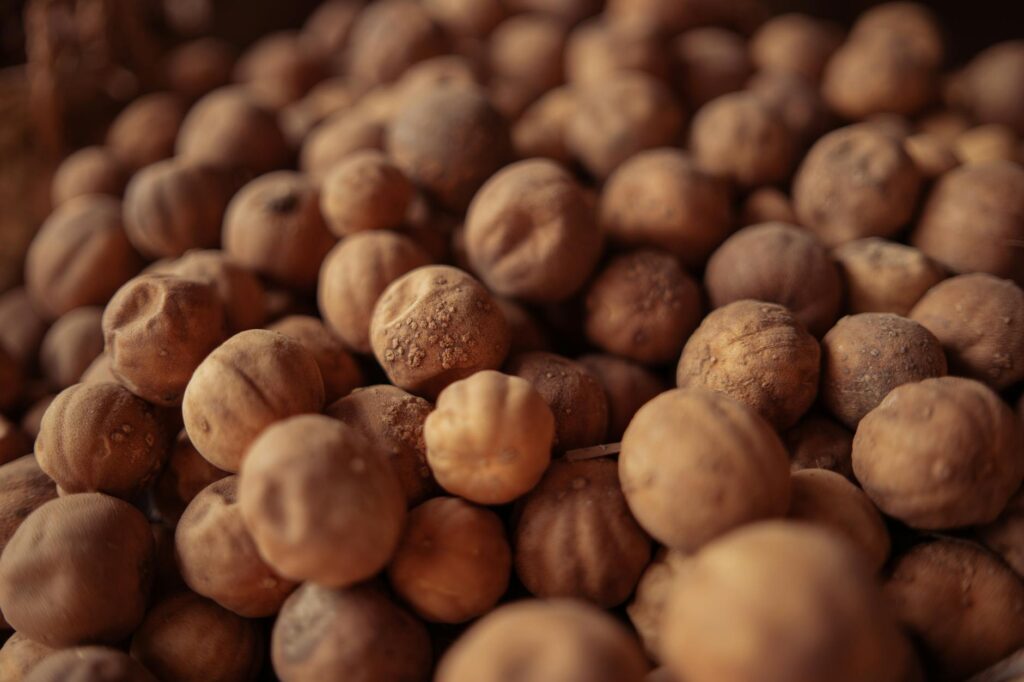
Why Are Lemons So Expensive?
Introduction
Lemons, with their bright yellow hue and zesty flavor, are cherished around the globe. They are not just culinary staples but also symbols of freshness and vitality. However, the price of lemons can often leave consumers scratching their heads, especially when they soar unexpectedly. This article aims to delve into the multifaceted reasons behind the fluctuating prices of lemons, examining their history, production, quality, and other relevant factors.
What Is About?
Lemons (Citrus limon) belong to the Rutaceae family and are primarily cultivated for their juice and zest. They are renowned for their high vitamin C content and are used in numerous culinary and non-culinary applications. Beyond their culinary uses, lemons have found a place in cleaning products, cosmetics, and even home remedies. The price of lemons can be influenced by various factors, including agriculture, climate, market demand, and even consumer behavior.
History and Origins
The origins of lemons trace back to the regions of Southeast Asia, particularly India and China. Historical records indicate that lemons may have been cultivated as early as 2500 B.C. in India. They were introduced to the Mediterranean region around the 2nd century A.D. by Arab traders. Over the centuries, lemons spread throughout Europe and eventually to the Americas in the 15th century.
In ancient times, lemons were highly prized not only for their flavor but also for their medicinal properties. They were used to treat various ailments, including scurvy, which was common among sailors due to vitamin C deficiency. The cultivation of lemons has since evolved, and today, they are grown in various climates worldwide, making them a global commodity.
Production and Processing
The production of lemons is labor-intensive and depends heavily on climatic conditions. Major lemon-producing countries include Mexico, the United States (particularly California), Argentina, and Spain. Each of these regions has unique environmental conditions that affect lemon quality, yield, and ultimately price.
Climate and Soil
Lemons thrive in subtropical and tropical climates, requiring warm temperatures and well-drained, slightly acidic soil. They are sensitive to frost and require specific humidity levels for optimal growth. Variability in weather, such as droughts or unseasonal frosts, can severely impact yields, leading to price fluctuations.
Harvesting
Lemon trees typically bear fruit twice a year, but the timing and quantity can vary. Harvesting is a manual process, requiring skilled laborers to pick the fruit at the right ripeness for optimal flavor and shelf life. Labor shortages, particularly in regions reliant on seasonal workers, can lead to reduced supply and increased prices.
Processing and Distribution
Once harvested, lemons are carefully sorted, washed, and packaged for distribution. The processing stage is crucial as it determines the quality and shelf life of the product. Lemons are typically shipped worldwide, which incurs additional costs in logistics. Fluctuations in fuel prices and transportation availability can also contribute to the final retail price.
Quality and Grading
Lemons are graded based on size, color, firmness, and blemish presence. Higher-quality lemons command a premium price, as they are more appealing to consumers and chefs alike. The grading process is essential for maintaining market standards, but it can also be a source of price variability.
Organic vs. Conventional
Organic lemons tend to be more expensive than their conventional counterparts due to the more stringent agricultural practices required for organic certification. These practices often involve higher labor costs and lower yields, contributing to the overall price increase. Additionally, organic lemons are often perceived to be healthier, which can drive demand—and prices—higher.
Buying Considerations
When purchasing lemons, several factors can influence both choice and price.
Seasonality
Lemons have peak seasons depending on the region. In the U.S., for example, California lemons are typically in season from winter to early spring. During off-seasons, prices can spike due to limited supply.
Local vs. Imported
Locally sourced lemons may be cheaper and fresher than imported ones. However, seasonal fluctuations and local crop failures can affect price. Additionally, imported lemons may carry tariffs and shipping costs that increase their retail price.
Organic vs. Conventional
As previously mentioned, organic lemons usually fetch a higher price tag. Consumers must weigh their preferences for organic produce against their budget for fresh ingredients.
Uses and Applications
Lemons have a myriad of applications, making them a versatile ingredient in kitchens worldwide. They are used in everything from beverages and marinades to desserts and salad dressings. Their acidity enhances flavors and can even serve a functional purpose, such as preserving the color of fruits and vegetables.
Culinary Uses
In culinary applications, lemons are prized for their juice, zest, and even their pulp. They add brightness to dishes and can balance rich flavors. Chefs often use lemons to enhance seafood dishes, dressings, and desserts, making them a staple in high-end dining establishments.
Non-Culinary Uses
Beyond the kitchen, lemons are utilized in various industries. Their natural antibacterial properties make them a popular ingredient in cleaning products. They are also found in cosmetics and personal care products, where they serve as natural astringents and exfoliants.
Storage and Shelf Life
The shelf life of lemons can vary based on how they are stored. Fresh lemons can last for about a week at room temperature but can be kept for several weeks if refrigerated. Proper storage not only extends their usability but also maintains their flavor and nutritional value.
Best Practices
To maximize shelf life, lemons should be kept in a cool, dry place. Storing them in a perforated plastic bag in the refrigerator can help maintain moisture while preventing rot.
Common Misconceptions
Despite their popularity, several misconceptions about lemons persist.
Price Equals Quality
Many consumers equate higher prices with better quality. While premium lemons may be fresher