
Why Is Mango So Expensive?
Introduction
Mango, often referred to as the “king of fruits,” is celebrated globally for its sweet, juicy flesh and distinct flavor. However, the high price tag associated with premium mangoes raises questions among consumers and culinary enthusiasts alike. This article explores the factors contributing to the cost of mangoes, delving into their history, production, quality grading, and more.
What Is About?
Mango (Mangifera indica) is a tropical stone fruit native to South Asia, with a wide range of cultivars and varieties that differ in taste, texture, color, and size. This fleshy fruit is prized not only for its delightful flavor but also for its versatility in culinary applications. Mangoes are commonly consumed fresh, dried, or pureed, and are used in beverages, desserts, and savory dishes.
Despite their popularity, mangoes tend to be more expensive than other fruits. Understanding the reasons for this price disparity requires a closer examination of the factors that influence their cost.
History and Origins
Mangoes have a rich history that dates back over 4,000 years. Originating in South Asia, particularly in regions like India, Bangladesh, and Myanmar, mangoes were cultivated as early as 2000 BCE. The fruit holds considerable cultural significance in these regions, often symbolizing love, fertility, and abundance.
From South Asia, mangoes spread to Southeast Asia, the Middle East, and eventually to other parts of the world, including the Americas and Africa, during the colonial era. Today, India remains the largest producer of mangoes globally, followed by countries like China, Thailand, and Mexico. The diverse history of mango cultivation has led to the development of numerous varieties, each with unique flavor profiles and characteristics.
Production and Processing
The production of mangoes is a labor-intensive process that requires careful attention to detail at every stage, from planting to harvesting. Here are some critical aspects that affect the cost of mangoes:
Climate and Geography
Mangoes thrive in tropical and subtropical climates, requiring warm temperatures, ample sunlight, and well-drained soil. Regions that meet these requirements are often limited, resulting in geographical constraints that impact overall production.
Labor-Intensive Harvesting
Unlike many fruits that can be mechanically harvested, mangoes are typically hand-picked to ensure they are not damaged. This labor-intensive method adds to the cost of production, as skilled laborers are required to select ripe fruits carefully.
Seasonal Availability
Mangoes have a specific growing season, which varies by region. For instance, in India, the peak season is from April to June. Outside this window, mangoes may be less available, leading to increased prices due to scarcity.
Post-Harvest Handling
The handling of mangoes after harvesting is crucial in maintaining their quality. This includes washing, sorting, grading, and packaging. Each step in this process requires additional labor and resources, thereby contributing to the overall cost.
Quality and Grading
Quality and grading play a significant role in determining the price of mangoes. Factors that influence grading include:
Size and Appearance
Larger mangoes with a uniform shape and vibrant color tend to command higher prices. Consumers often associate visual appeal with quality, making size and aesthetic considerations crucial for sellers.
Sugar Content and Aroma
Mangoes are evaluated based on their sweetness and aromatic qualities. Higher sugar content and a strong, pleasant aroma typically indicate a better-quality fruit, which can justify a higher price point.
Variety
Certain mango varieties, such as Alphonso, Haden, and Tommy Atkins, are highly sought after due to their exceptional flavor and texture. Limited availability of these premium varieties can drive prices up, especially in markets where demand exceeds supply.
Buying Considerations
When purchasing mangoes, consumers should consider several factors that can influence their experience:
Seasonality
Buying mangoes in season can often result in better quality and lower prices. Consumers should be aware of the peak season in their region to make informed purchasing decisions.
Source
Understanding where mangoes are sourced can provide insight into their quality and freshness. Locally sourced mangoes may be fresher and more affordable compared to those imported from distant locations.
Organic vs. Conventional
Organic mangoes are typically more expensive due to the costs associated with organic farming practices. Consumers seeking organic options should be prepared to invest more for the assurance of pesticide-free fruit.
Uses and Applications
Mangoes are versatile ingredients used in a myriad of culinary applications, which can also influence their market price:
Fresh Consumption
Fresh mangoes are enjoyed as a snack, in fruit salads, or as a topping for desserts. Their sweet and juicy flesh is a staple in tropical regions.
Juices and Smoothies
Mango juice is a popular beverage, and its use in smoothies has gained traction in health-conscious circles. The demand for mango-based drinks can impact the price due to increased processing requirements.
Culinary Dishes
Mangoes are utilized in a variety of dishes, from savory salsas to desserts like mango sticky rice. Their versatility in the kitchen contributes to ongoing demand, affecting pricing trends.
Dried Mango and Puree
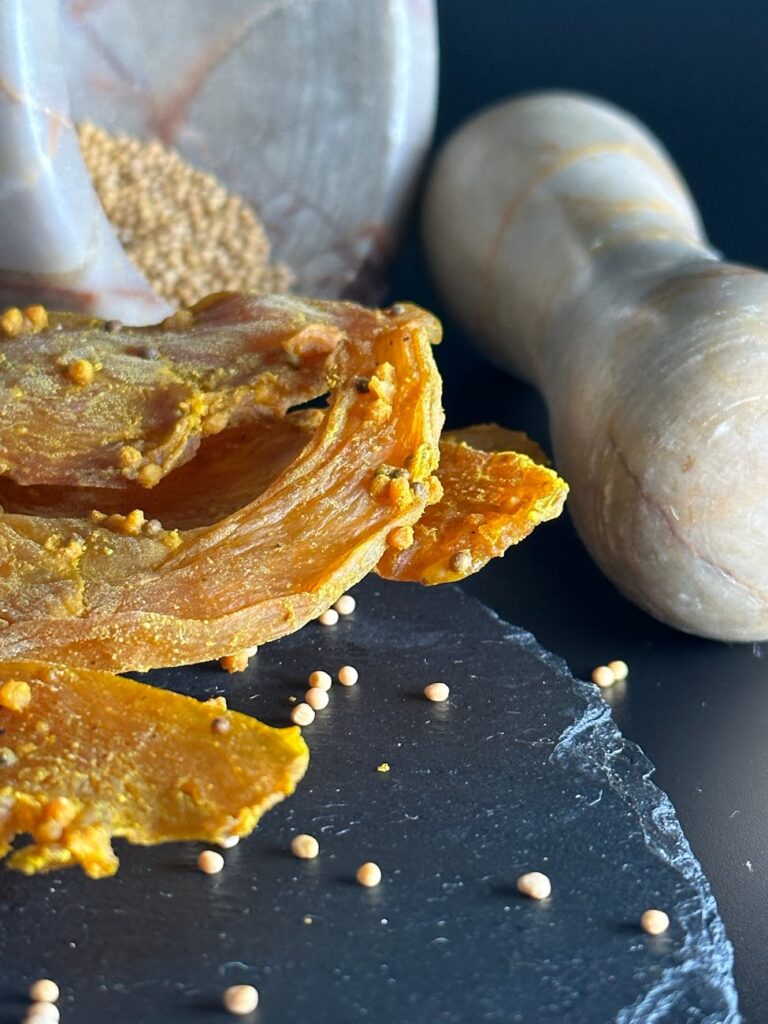
Dried mango and mango puree are popular ingredients in snacks and sauces, often commanding higher prices due to the additional processing involved.
Storage and Shelf Life
Proper storage of mangoes is essential for maintaining their quality and extending their shelf life, which has implications for their pricing:
Ripening
Mangoes continue to ripen after being harvested. Storing them at room temperature can accelerate this process, while refrigeration can slow it down. Understanding these dynamics is crucial for consumers aiming to maximize freshness.
Shelf Life
The shelf life of mangoes varies depending on their ripeness at the time of purchase. Ripe mangoes typically last around 5-7 days at room temperature, while unripe mangoes can last up to two weeks when stored correctly.
Transportation Challenges
Transporting mangoes requires careful consideration of temperature and humidity to prevent spoilage. The costs associated with maintaining an optimal environment during transit can further influence the final price.
Common Misconceptions
Several misconceptions surround the pricing and quality of mangoes that are worth addressing:
All Mangoes Are the Same
While many people may think of mangoes as a single fruit, there are over 1,000 varieties, each with distinct characteristics. This diversity means that prices can vary significantly based on the specific type of mango.
Price Equals Quality
While higher prices often indicate better quality, this is not always the case. Factors such as supply chain issues, seasonality, and market demand can all influence pricing, sometimes leading to overpriced fruit.
Imported Means Better
Some consumers assume that imported mangoes are of superior quality. However, fresh, locally grown mangoes can often be just as good, if not better, due to less time in transit.
Frequently Asked Questions
1. Why are some mangoes so much more expensive than others?
The price differences among mangoes are largely due to factors like rarity, quality, and demand for specific cultivars. Premium varieties may command higher prices based on their flavor, size, and appearance.
2. How can I tell if a mango is ripe?
A ripe mango will yield slightly to gentle pressure, have a fruity aroma, and display vibrant color. Avoid mangoes with excessive blemishes or dark spots.
3. Are organic mangoes worth the extra cost?
Organic mangoes can be worth the extra cost if you prioritize pesticide-free produce. However, the taste and quality can vary, so it’s important to choose based on personal preference.
4. Can I store mangoes in the refrigerator?
Yes, unripe mangoes can be stored at room temperature until they ripen. Once ripe, they can be refrigerated to extend their shelf life, but this may affect texture.
5. Why do mangoes have such a short shelf life?
Mangoes are perishable fruits with a high water content, making them susceptible to spoilage. Proper handling and storage can help prolong their freshness.
6. What is the best way to enjoy mangoes?
Mangoes can be enjoyed in various ways, such as fresh, in smoothies, or as part of savory dishes like salsas. Their versatility makes them a beloved ingredient in many cuisines.
Conclusion
The cost of mangoes can be attributed to a complex interplay of factors ranging from their labor-intensive cultivation and seasonal availability to quality grading and culinary applications. As consumers become more aware of these intricacies, they can appreciate the value of this beloved fruit, understanding that its price reflects not just its flavor but also the passion and effort involved in bringing it to our tables. Whether enjoyed fresh, processed, or in culinary creations, mangoes continue to reign as a prized fruit across the globe.