
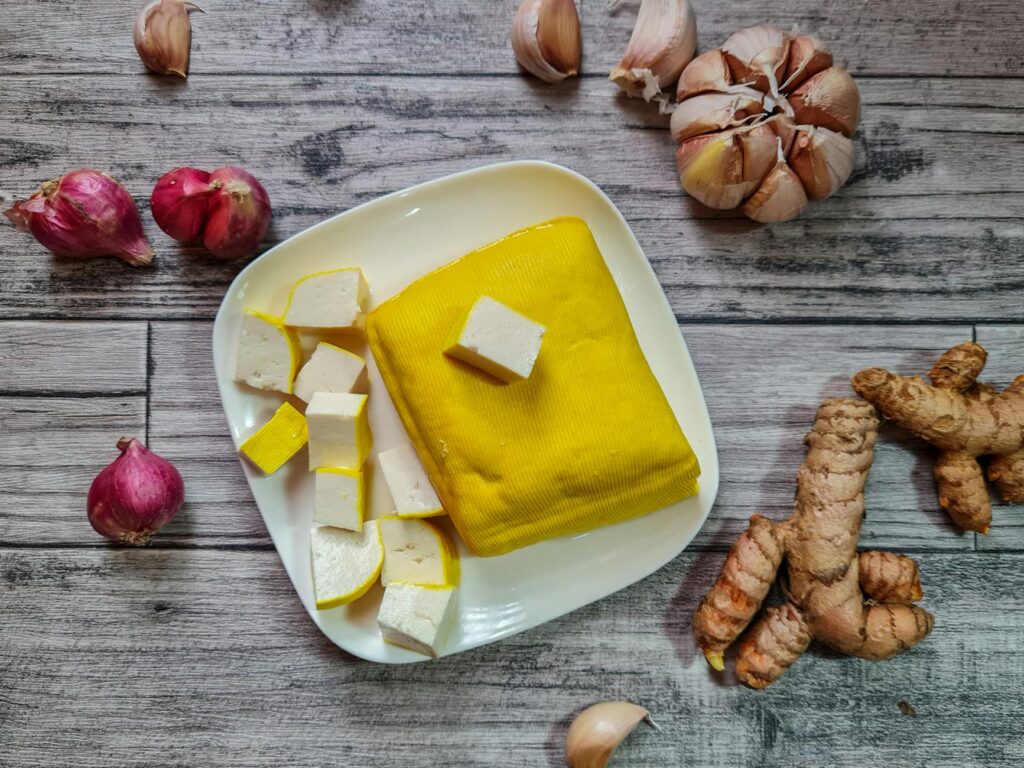
Why Is Miso-Marinated Tofu So Expensive?
Introduction
Miso-marinated tofu has emerged as a culinary star in the realm of global cuisine, praised for its unique flavor and versatility. Yet, many consumers are often taken aback by its price tag. This article aims to unravel the complexities behind the cost of miso-marinated tofu, exploring its history, production, quality, and various factors that contribute to its market value.
What Is Miso-Marinated Tofu?
Miso-marinated tofu is a dish made by soaking tofu in a miso paste, a fermented soybean product that hails from Japan. The result is a rich, umami-filled delicacy that adds depth to various dishes, from salads to stir-fries. The marinating process allows the tofu to absorb the flavors of miso, which can vary in taste depending on the type of miso used—white, yellow, or red.
History and Origins
The roots of miso can be traced back over a thousand years to ancient China, where it was developed as a method of preserving food. The technique was later adopted and refined by the Japanese, leading to the diverse varieties of miso we see today. Miso itself is a staple in Japanese cuisine, used in soups, sauces, and marinades. The marriage of miso and tofu gained popularity due to the latter’s ability to absorb flavors and create a satisfying texture.
Tofu, also known as bean curd, has been a significant source of protein in Asian diets for centuries. The combination of miso and tofu represents a harmonious blend of flavors and textures, making it a sought-after ingredient in both traditional and modern culinary practices.
Production and Processing
The production of miso-marinated tofu involves several intricate steps, each contributing to its final cost.
Tofu Production
Tofu is made from soybeans, which require careful sourcing and processing. The soybeans are soaked, ground, and boiled, after which the soy milk is extracted. Coagulants, often magnesium chloride or calcium sulfate, are added to curdle the milk, forming the tofu. The curds are then pressed into blocks, resulting in a product that is high in protein and relatively low in fat.
Miso Production
Miso itself is a labor-intensive product. It is made by fermenting soybeans with salt and a specific type of mold known as Aspergillus oryzae, along with other ingredients like rice or barley, depending on the variety. The fermentation process can take several months to years, contributing to the depth of flavor.
Marination Process
The marination of tofu in miso requires time and skill. The tofu must be properly drained and pressed to ensure it absorbs the miso effectively. After marination, it is often cooked to enhance its flavor and texture. This multi-step process not only requires expertise but also adds to labor costs.
Quality and Grading
The quality of miso-marinated tofu varies significantly, and this variance affects pricing. Factors such as the type of miso used, the freshness of the tofu, and the method of marination all play crucial roles in determining quality.
Types of Miso
The type of miso used can greatly influence the flavor and price of the final product.
- White Miso: Mild and sweet, it is often made from a higher ratio of rice and fermented for a shorter time.
- Red Miso: Richer and more robust, it is fermented longer and contains a higher proportion of soybeans, leading to a more complex flavor profile.
- Mixed Miso: A combination of different types, it offers a balanced flavor, but can vary in pricing based on its composition.
- Source: Organic and locally sourced ingredients often come at a premium. Understanding where the ingredients are sourced can help consumers gauge the quality.
- Ingredients List: Some commercial products may contain additives or preservatives that could affect flavor. Reading labels is essential for discerning quality.
- Sustainability: Brands that prioritize sustainable farming practices may charge more, reflecting their commitment to ethical sourcing.
- Salads: As a protein boost, miso-marinated tofu can enhance the taste and texture of salads.
- Stir-Fries: The umami flavor complements a variety of vegetables and sauces, making it a popular addition.
- Grilling and Roasting: Cooking the marinated tofu can intensify its flavors, making it an excellent choice for grilling or roasting.
Tofu Quality
Freshness is paramount in tofu production. High-quality tofu is usually made from organic soybeans and does not contain preservatives. Artisan producers often prioritize quality over quantity, leading to higher costs.
Grading Systems
Some producers may use grading systems for both miso and tofu, impacting the price. Higher-grade products are typically associated with more intensive fermentation processes and better sourcing of ingredients, thus commanding higher prices.
Buying Considerations
When purchasing miso-marinated tofu, several factors should be considered:
Uses and Applications
Miso-marinated tofu is versatile and can be utilized in a variety of culinary applications. Its rich flavor makes it suitable for:
Additionally, it can be enjoyed in sushi, wraps, or even as a standalone dish, showcasing its adaptability in various cuisines.
Storage and Shelf Life
Proper storage is vital for maintaining the quality of miso-marinated tofu.
Refrigeration
Once opened, it should be stored in an airtight container in the refrigerator. Typically, miso-marinated tofu can last up to a week in the fridge. However, its quality may diminish over time.
Freezing
While freezing can extend its shelf life, it may alter the texture of both the tofu and the miso. It is advisable to consume it fresh for optimal flavor.
Common Misconceptions
Despite its popularity, several