
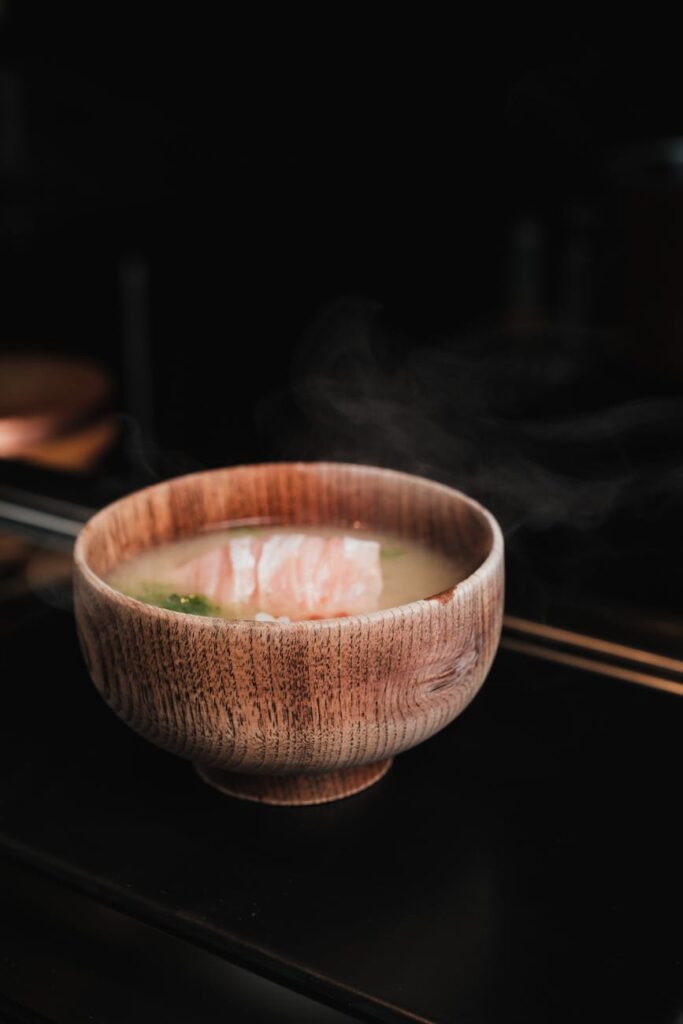
Why Is Miso Paste So Expensive?
Introduction
Miso paste, a staple in Japanese cuisine, has garnered global attention for its unique flavor and versatility. This fermented soybean product is not just a seasoning; it represents a rich culinary tradition and a meticulous production process that contributes to its often high price point. In this article, we’ll explore the multifaceted reasons behind the cost of miso paste, delving into its history, production methods, quality grading, and more.
What Is Miso Paste?
Miso is a traditional Japanese seasoning made from fermented soybeans, salt, and a specific type of mold called Aspergillus oryzae. This fermentation process transforms the raw ingredients into a thick paste with a complex flavor profile that can range from sweet and savory to salty and umami-rich. Miso paste is typically used in soups, marinades, dressings, and various dishes, making it a versatile ingredient in both Japanese and fusion cooking.
History and Origins
The origins of miso can be traced back over a thousand years to ancient China, where it was used as a protein source and a preservation method. The practice of miso fermentation spread to Japan, where it evolved into the diverse varieties we see today, such as white (shiro), red (aka), and mixed (awase) miso. Each type has its own unique flavor profile, influenced by the fermentation time, ingredients, and regional practices.
Historically, miso was a vital food source for Japanese people, particularly during times of scarcity. Its high protein content and ability to be stored for long periods made it an essential pantry item. Today, miso paste has transcended cultural boundaries, gaining popularity in various culinary traditions around the world.
Production and Processing
Ingredients
The primary ingredients in miso paste are soybeans, salt, and koji, the latter being a mold culture crucial for fermentation. The quality of these ingredients significantly impacts the final product, contributing to both the flavor and the price.
Fermentation Process
The fermentation process is a lengthy and intricate one, often taking several months to years. After soaking and cooking the soybeans, they are combined with koji and salt. This mixture is then placed in fermentation vessels, where it undergoes a controlled fermentation process. The conditions—such as temperature, humidity, and time—are closely monitored to ensure the desired flavor develops.
The type of miso produced also depends on the fermentation duration; for example, white miso is fermented for a shorter period, resulting in a milder taste, while red miso undergoes longer fermentation, leading to a deeper flavor. The labor and time commitment in fermentation are significant factors contributing to the price of miso paste.
Quality and Grading
Miso paste varies widely in quality, and this variance is reflected in its price. High-quality miso is often made with organic soybeans, natural ingredients, and traditional fermentation methods. The grading of miso is generally based on factors such as flavor, aroma, and texture.
- Color: The color of miso can range from light beige to deep brown, with darker varieties typically being more intense in flavor.
- Texture: High-quality miso has a smooth, creamy texture, while lower-grade miso may be grainy or uneven.
- Flavor: Artisanal miso often boasts a complex flavor profile, making it more desirable and costly.
- Soups: The most traditional use, miso soup, serves as a comforting staple in Japanese households.
- Dressings and Marinades: Miso adds depth to salad dressings and marinades, enhancing the umami flavor of vegetables and proteins.
- Spreads: It can be mixed with other ingredients to create spreads for sandwiches or to accompany vegetables.
- Baking: Miso has found its way into baked goods, adding complexity to flavors in cookies and breads.
These quality indicators not only affect the culinary experience but also dictate the price consumers pay for the product.
Buying Considerations
When purchasing miso paste, several factors can influence its price:
Authenticity
Authentic, traditionally produced miso is often more expensive than mass-produced varieties. Look for products labeled as “naturally fermented” and “organic” to ensure authenticity.
Type of Miso
The type of miso can also dictate its price. Specialty misos, such as those made from heirloom soybeans or specific regional ingredients, can be significantly more expensive than standard varieties.
Packaging and Brand
Premium brands often package their miso paste in artisanal containers, and their reputation can add to the cost. While brand loyalty can sometimes justify a higher price, it’s essential to evaluate the product’s quality and flavor.
Uses and Applications
Miso paste is exceptionally versatile, finding applications in various culinary contexts:
The versatility of miso paste contributes to its popularity, yet it also underscores its potential value, as it can elevate a range of dishes.
Storage and Shelf Life
Miso paste’s longevity is another reason why it can be considered a worthwhile investment. When stored properly in a cool, dark place, unopened miso can last for a year or more. Once opened, it should be refrigerated and can remain viable for several months. The fermentation process continues even after packaging, allowing the flavors to develop further over time. Miso’s long shelf life makes it an economical choice for those who appreciate its flavor and versatility.
Common Misconceptions
Despite its popularity, several misconceptions surround miso paste that can affect consumer perceptions and, consequently, pricing:
1. All Miso Is the Same: Many assume all miso paste is interchangeable. In reality, the flavor, texture, and uses of different types can vary significantly, influencing price.
2. Miso Is Just a Flavoring: While it enhances dishes, miso is a source of protein and nutrients, adding intrinsic value beyond mere seasoning.
3. Miso Needs to Be Cooked: Some believe miso must be cooked to be used effectively. In fact, incorporating it into dressings or finishing dishes can preserve its flavor and beneficial properties.
4. All Miso Is Gluten-Free: Many commercial miso pastes are made with barley, which contains gluten. Checking labels is essential for those with gluten sensitivities.
5. Miso Is Always Salty: The saltiness of miso varies greatly among types. Some misos can be pleasantly sweet and mild, while others are robust and salty.
6. Miso Is a Modern Ingredient: While it has gained recent popularity in fusion cuisine, miso is deeply rooted in tradition, with a history spanning centuries.
Frequently Asked Questions
1. Why is miso paste so expensive compared to other condiments?
Miso paste’s expense is largely due to its quality ingredients, lengthy fermentation process, and traditional production methods, all of which contribute to its complexity and flavor.
2. Is all miso paste gluten-free?
Not all miso paste is gluten-free. Some varieties contain barley or other gluten-containing grains. Always check the label for gluten content if you have dietary restrictions.
3. How should I store miso paste?
Miso paste should be stored in an airtight container in the refrigerator once opened. Unopened miso can be kept in a cool, dark place.
4. Can I use miso paste in cooking?
Yes, miso paste can be used in various dishes, including soups, dressings, marinades, and even baked goods. Its versatility makes it a valuable addition to your pantry.
5. Does miso lose its flavor over time?
Miso paste can continue to develop flavor over time due to ongoing fermentation. However, its quality may decline after an extended period, particularly if not stored properly.
6. What is the difference between white and red miso?
White miso is typically milder and sweeter, made from shorter fermentation periods, while red miso is fermented longer, resulting in a stronger, more robust flavor.
Conclusion
Miso paste is more than just a condiment; it embodies a rich history and a meticulous production process. Its cost reflects the quality of the ingredients, the complexity of the fermentation process, and the culinary versatility it offers. Understanding these factors can enhance appreciation for this unique ingredient and justify its place on the shelves of gourmet kitchens worldwide. Whether you’re a seasoned chef or a curious home cook, investing in high-quality miso paste can elevate your culinary creations to new heights.